






AI must support professional judgement rather than replace it, CIBSE warns
 Reading time: 3 minutes
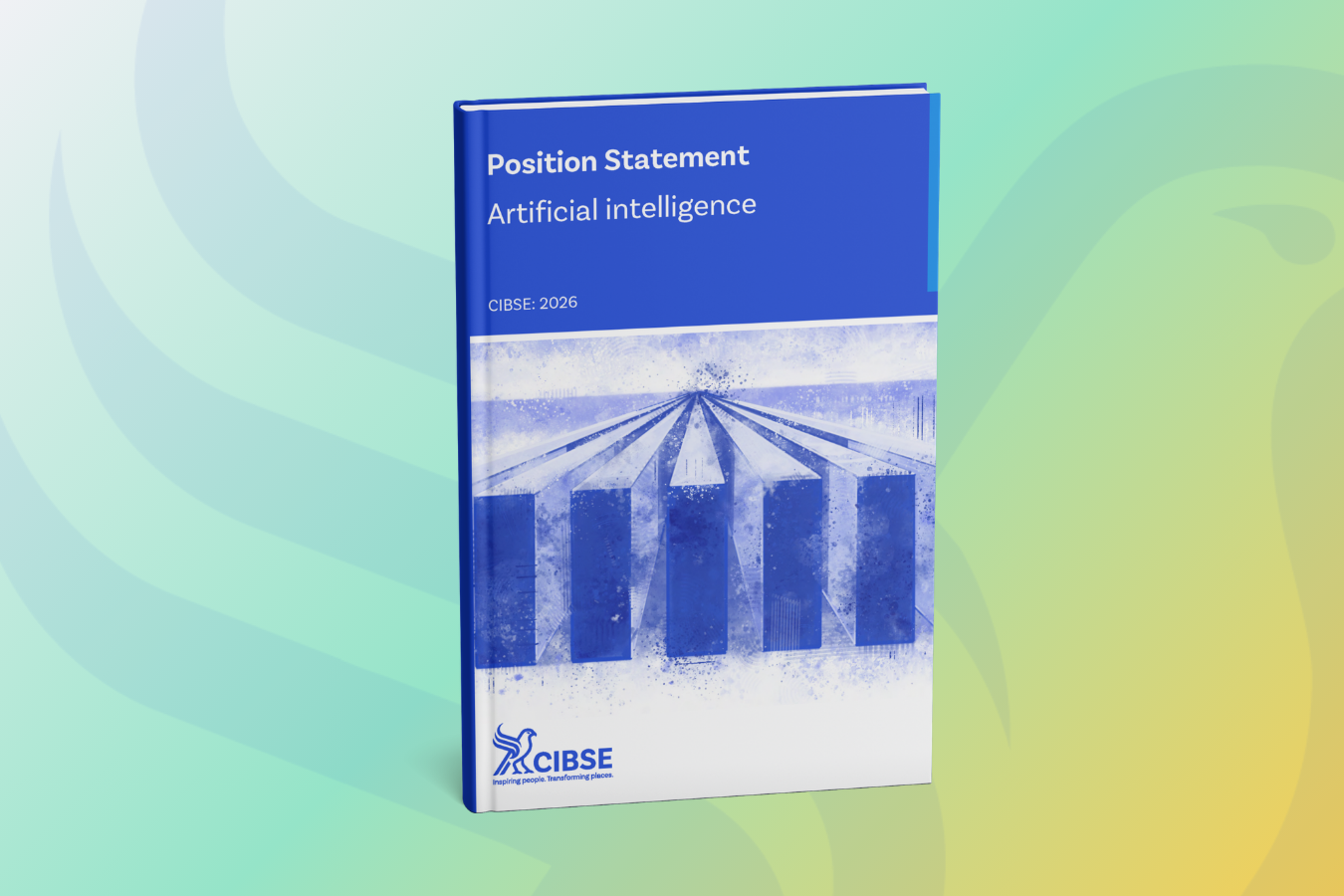
The Chartered Institution of Building Services Engineers (CIBSE) has published a new position statement on responsible AI use in building engineering, with its head of knowledge and digital, Ahmed Hegazi, arguing that “technology must support professional judgement, never replace it.”
Developed by CIBSE’s AI Working Group in response to the rising adoption of AI tools across professional practice, ‘Position Statement – Artificial Intelligence’ looks into the opportunities this technology presents for the building engineering sector, alongside the risks, responsibilities and protections that must come with its use.
The body for building professionals argues that AI has the potential to transform building engineering practice, from boosting engineering expertise and aiding building safety to delivering more complex tasks, decreasing repetitive work and increasing productivity.


It has said that through freeing up time for engineers to prioritise higher-value operations, AI could also help enable more innovation and support the delivery of higher-performing and more sustainable buildings.
But the body warns that in a profession where building safety is vital, the utilisation of AI must be supported by professional judgement, human verification and a clear acknowledgement of the legal and professional responsibilities involved.
Ahmed Hegazi, head of Knowledge and Digital at CIBSE commented: “CIBSE has always been at the forefront of building engineering, and our approach to AI is no different.
“We see enormous opportunities for AI to enhance engineering expertise, drive innovation and deliver better buildings.


“But in an industry where safety, competence and accountability are paramount, technology must support professional judgement, never replace it.”
Hegazi added: “Our new position statement, shaped by leading industry expertise and rigorous peer review, sets out the principles for responsible AI adoption.
“Importantly, this is just the beginning of the conversation. We want to work with our members and the wider industry to ensure AI develops as a force for engineering excellence.”
The new statement recognises that the use of new technologies should not be unnecessarily discouraged, but stresses that innovation must be maintained together with professional integrity, competence as well as accountability.
A central part of the body’s position is that engineers are professionally and legally accountable for the work they deliver, regardless of whether AI tools have been utilised.
The body argues that AI-generated outputs must be critically assessed and verified by qualified professionals.
The statement emphasises the need for continued learning, critical thinking and the sustainability of fundamental engineering competencies.
The body, through the work of its AI Working Group, is adopting an approach to understanding the implications of AI and helping the profession navigate its use in a way that serves engineers, the built environment and wider society.
Looking ahead, the body will review its position regularly.
The CIBSE is encouraging engagement within its membership and the wider industry, welcoming constructive feedback, dialogue and cross-industry collaboration to influence the future of responsible AI use within building engineering.

Share this article:

Subscribe to our newsletter to not miss articles like this one:
 SUBSCRIBE


