



Alison Condie: Scale alone won’t fix Scotland’s housing crisis - collaboration will
 Reading time: 4 minutes
Alison Condie
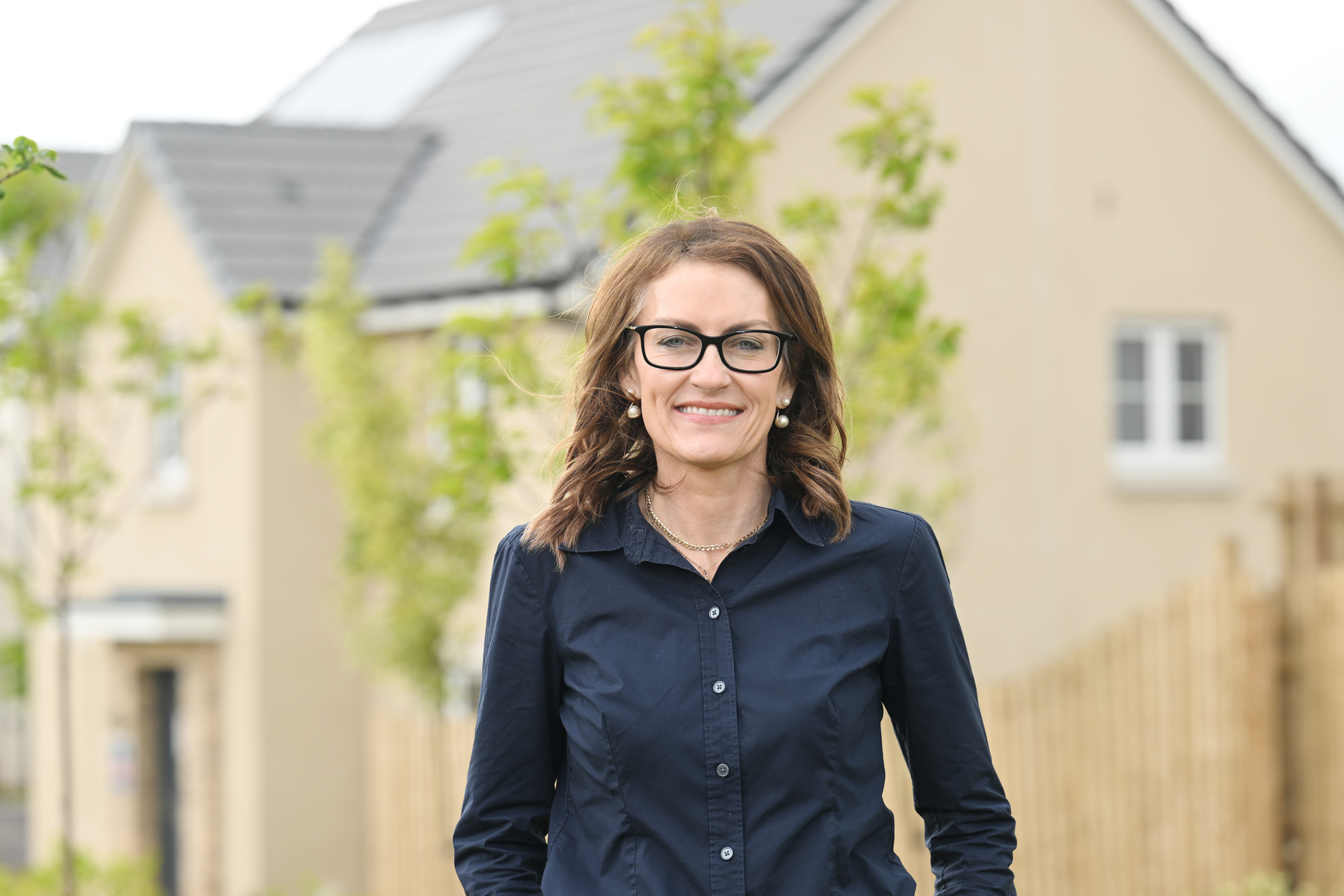
Alison Condie, regional managing director for Barratt Redrow in Scotland, argues that projects like Durieshill underline the requirement for collaboration to bring something of this scale to life.
Scotland needs more homes - that much is well rehearsed and accepted. What is discussed less often is how developments of real scale are successfully delivered, and the answer, increasingly, is not by one developer working alone.
Durieshill is a useful case in point. The largest detailed planning application for housing ever to be approved in Scotland, once completed it brings over 3,000 private and affordable homes as well as spaces for commercial, retail, recreation and education, to a 593-acre site between Bannockburn and Plean.


Scale of this kind isn’t really a design challenge or a construction challenge - it’s a coordination challenge and it only works if the right partners are around the table from the start, sharing a positive and proactive ambition to create a successful new community. At Durieshill, we established a close working relationship with Stirling Council from the outset, and a delivery model built around continued collaboration across infrastructure, education, transport and community provision.
The masterplan has not been handed down and executed in isolation, and the council’s role did not end at consent, it continues through delivery, particularly on the public services that make a housing-led development function as a community. Whilst largely funded by Barratt Redrow, delivery of, education infrastructure and sports facilities all sit within the council’s remit, running alongside the homes, open spaces, street networks, recreation, active travel and play provision that the developer delivers directly.
That distinction matters, because it’s often where large developments run into trouble. Housing arrives in phases, but the sense of ‘community’ people are promised depends on services that several other bodies, both private and public, are responsible for delivering to their own timelines influenced, among other things, by demand and the availability of funding.
We are operating in a market where buyers are having to make careful decisions about affordability, value and what they want from their next home. That makes the quality of the wider proposition increasingly important. People are not simply choosing a house; they are choosing where they want to live, raise a family and build their lives for years to come. A well-designed community can make a meaningful difference to that decision.


Getting the sequencing right, and being honest about who is accountable for what, is one of the more difficult parts of a project like this, and one that depends entirely on the strength of the relationship between developer and local authority.
The same principle extends further than the council relationship. Durieshill’s education provision, including new primary schools on site, a community campus, and financial contributions to the improvement of secondary schools, is supported by more than £34.6 million in developer contributions, including over £23.8m earmarked directly for schools. It will only deliver long-term value if it’s planned and delivered in collaboration with the education authority and, ideally, with the schools themselves.
We’re already working with Bannockburn High School’s existing Apprenticeship Academy rather than creating a parallel scheme, on the basis that duplicating provision helps no one, least of all pupils.
Third-party voices matter too. Independent and community-led perspectives, from sustainability specialists to local community groups and, in time, residents themselves, carry a credibility that developer-led messaging alone cannot. A project of this scale is strengthened, not diluted, by sharing the platform.


None of this is to say the developer’s role is diminished. Barratt Redrow’s track record for quality delivery is precisely why it can convene these partnerships with credibility. But scale of this kind cannot be delivered as a solo enterprise. It requires the local authority as an active partner, not a planning gatekeeper; it requires third-party advocates prepared to lend their voice; and it requires a genuine, long-term commitment to communities that predates the first home being occupied.
If Scotland is serious about tackling its housing shortage through developments of scale, this is the model worth examining - not because of the size of any single project, but because of how many organisations it takes to get one right.

Share this article:

Subscribe to our newsletter to not miss articles like this one:
 SUBSCRIBE