




And finally… frozen planet
 Reading time: 2 minutes
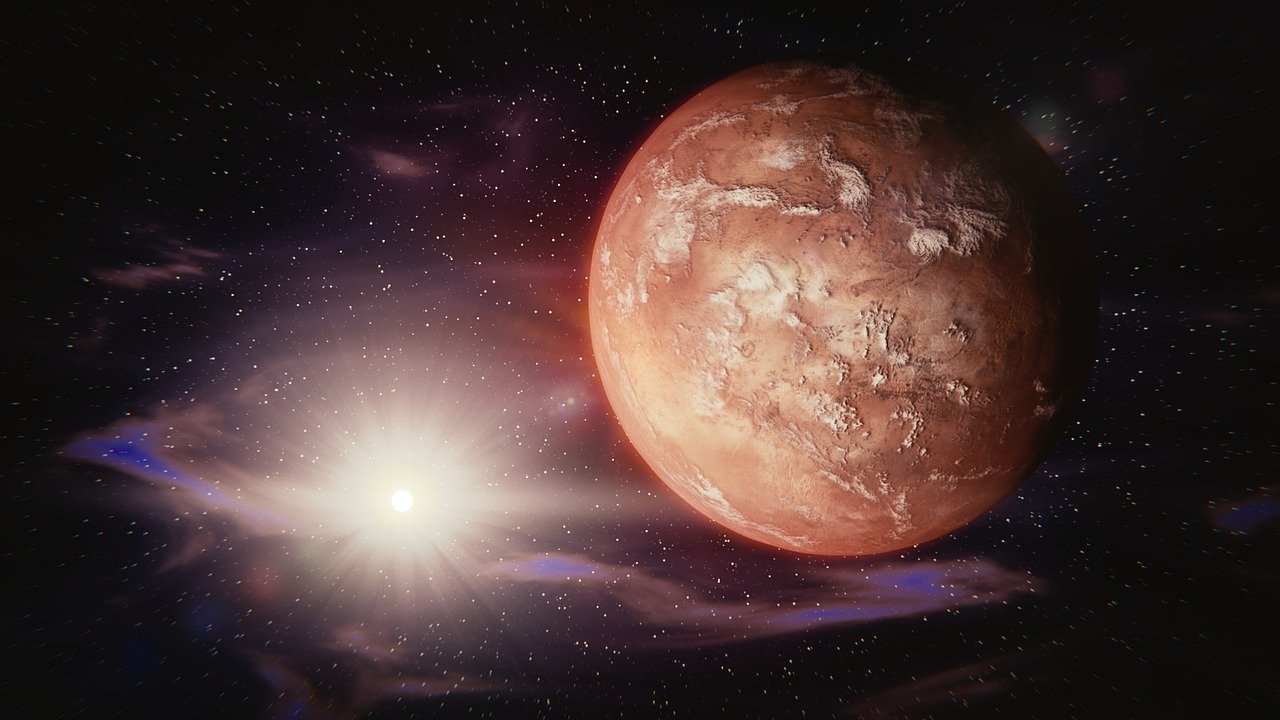
Ice may seem like an unlikely building material, but scientists now believe it could be the key to establishing long‑term human settlements on Mars.
Research presented at the American Geophysical Union suggests that the planet’s vast frozen‑water reserves could be transformed into protective, low‑cost habitats — reducing the need to haul heavy construction materials from Earth.
Mars holds more than five million cubic kilometres of frozen water, making ice one of the most abundant local resources available to future settlers. Researchers propose cutting, melting and refreezing this ice into blocks or domes, creating structures that dramatically cut mission costs and logistics.


With temperatures plunging to –120°C, Mars demands robust thermal protection. A few metres of ice could keep interior temperatures around –20°C — still cold, but far easier to heat and maintain. This insulation would also reduce energy consumption, a critical factor for long‑duration missions.
Mars lacks a thick atmosphere and magnetic field, leaving its surface exposed to UV and cosmic radiation. Ice, surprisingly, is an effective radiation blocker. It can filter harmful rays while still allowing visible and infrared light to pass through, helping maintain astronauts’ physical and mental wellbeing.
Because ice can transmit sunlight, habitats could be designed to support plant growth and maintain natural light cycles — essential for food production and crew health.
Extracting enough ice to sustain a habitat is energy‑intensive, requiring power on the scale of the International Space Station’s daily consumption. Dust storms pose another threat: accumulated dust can darken ice structures, reducing insulation and light transmission. Protective coatings could help, but these would likely need to be transported from Earth.


Despite the engineering hurdles, ice‑based construction is emerging as one of the most practical, sustainable pathways to building on Mars. By relying on local materials, scientists are edging closer to turning the long‑imagined dream of Martian cities into a realistic plan.



Share this article:

Subscribe to our newsletter to not miss articles like this one:
 SUBSCRIBE