






And finally… Site of First Hampden scores scheduled status
 Reading time: 4 minutes
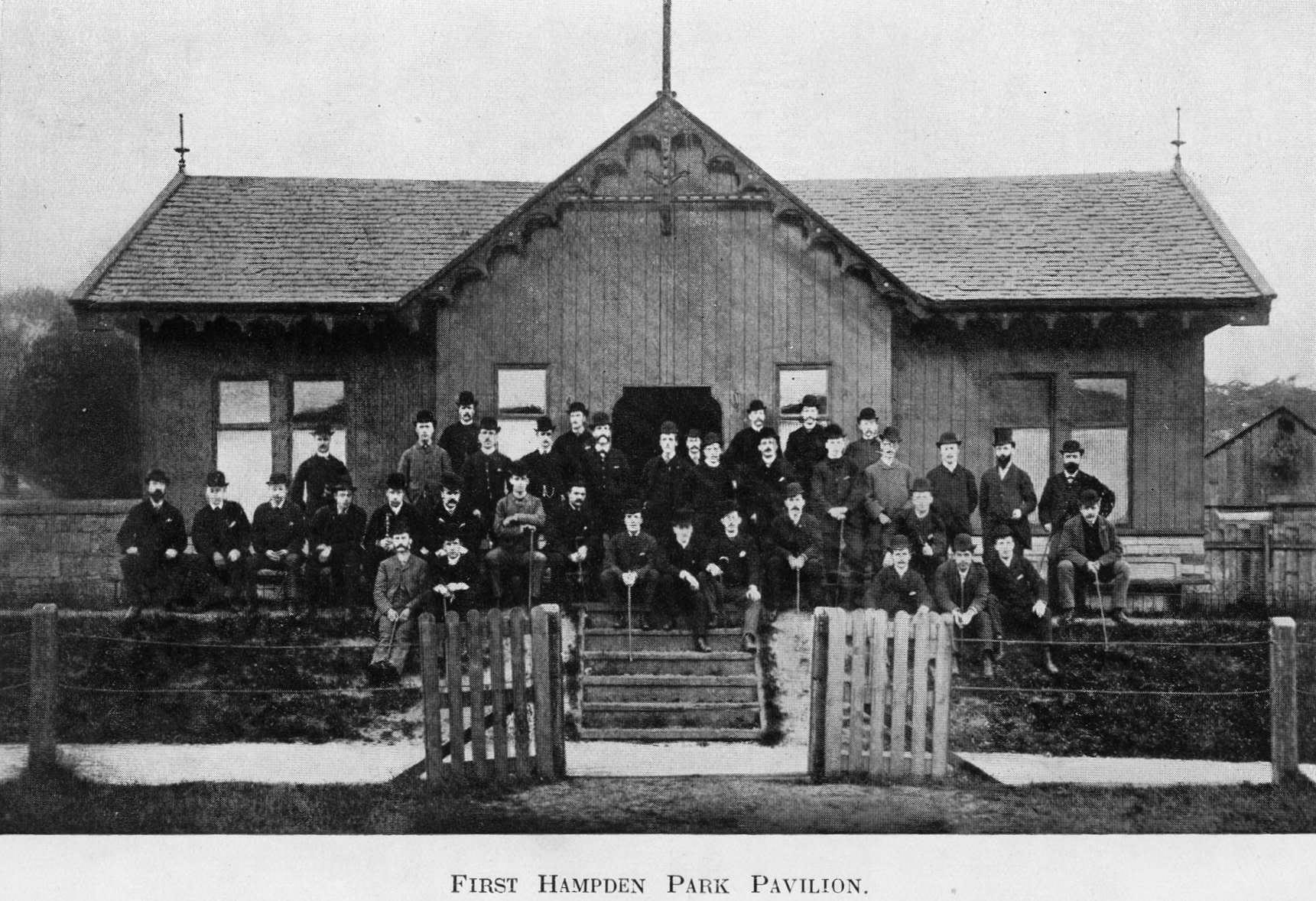
The opening ceremony of the pavilion at First Hampden football ground in 1878. © Courtesy of Queen’s Park FC
It was the first dedicated home of Scotland’s oldest football club, the site of the first ever Scottish Cup Final and one of the first purpose-built football grounds anywhere in the world.
Now the archaeological remains of the pavilion of First Hampden in the southside of Glasgow has been designated as a scheduled monument by Historic Environment Scotland (HES) in recognition of its special place in the history of football in Scotland. The decision follows a public consultation which showed clear public support for the proposal.
The remains of the pavilion are situated in what is now Kingsley Gardens, a small public park in Glasgow’s southside. The wider site served as the ground of Queen’s Park FC, Scotland’s oldest football club and one which played a pivotal role in the development of the game.


Queen’s Park set up a committee to find land to construct a ground capable of hosting large crowds, as well as tournaments and international matches. The first match played at the ground was on 25 October 1873, a Scottish Cup tie which saw Queen’s romp to a 7-0 victory against Dumbreck.
The site hosted Scottish Cup Finals – including the first final of the competition in 1874 - and became the home of the national side in 1878, providing the venue for a famous 5-1 victory against England in 1882.
The earliest developments at First Hampden saw many features recognisable to football fans today, including the enclosure of the ground using fencing, pay gates to control spectator access and separation of the pitch and crowd, at this time with a rope surrounding the pitch. This enclosure and separation of the ground defined this as the first purpose-built football ground in Scotland. A ‘grandstand’, which would now be known as terracing, was added along the south side of the pitch in 1876.
One of the last developments was the installation of the pavilion in 1878, which the club bought from the Caledonian Cricket Club and reconstructed at the site. The new pavilion was a focal point of the ground, set near the entrance and providing matchday facilities for players and guests.


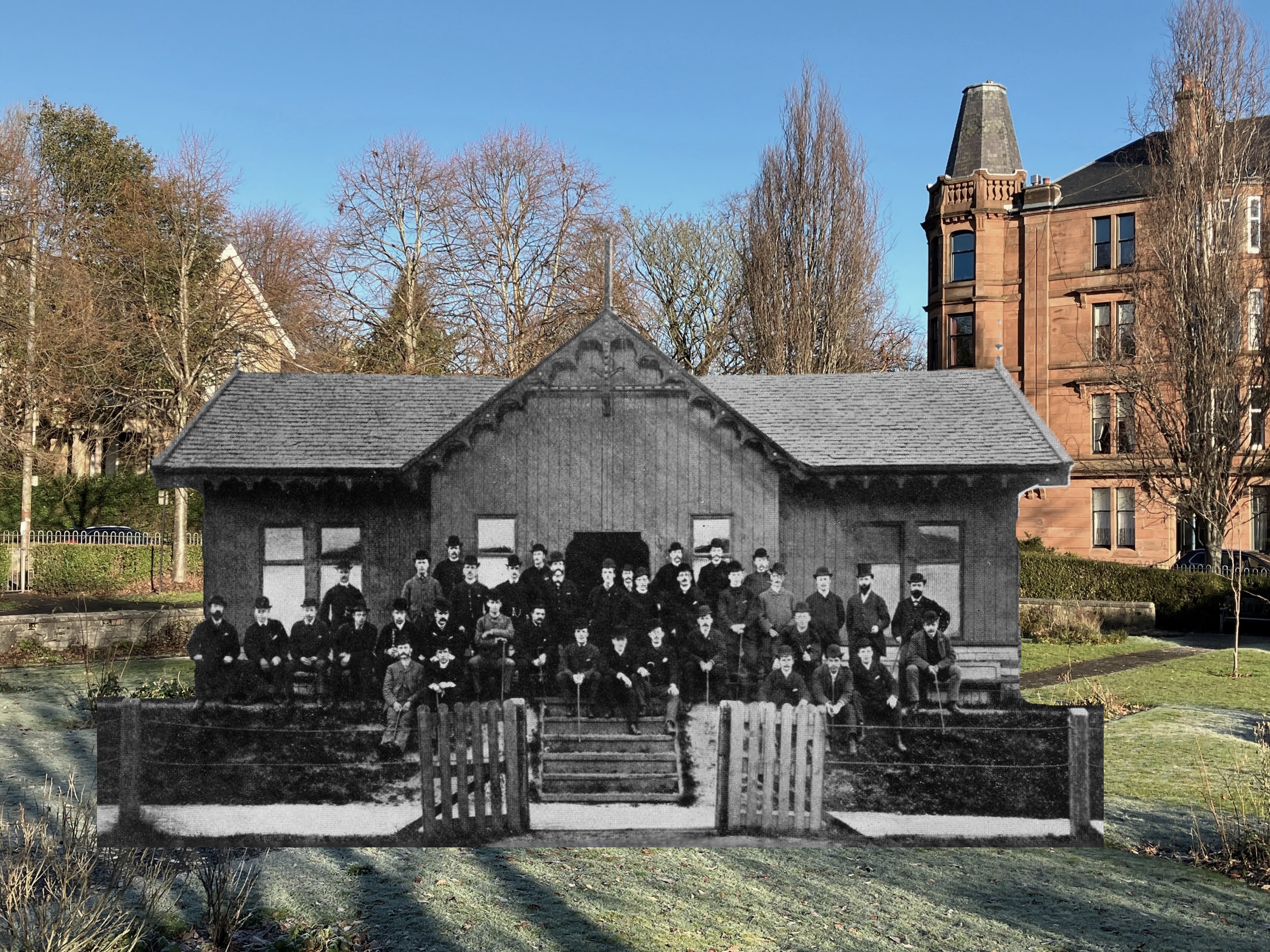
The pavilion where it would have been situated today © Courtesy of Queen’s Park FC
In 2021, following ground penetrating radar survey, Archaeology Scotland led a community project to investigate the site and confirmed the location of the pavilion from its buried, physical remains.
Dara Parsons, head of designations at HES, said: “Football is Scotland’s national sport, and a key part of the identity of communities all over Scotland. The men’s national team will take part in their first World Cup finals for nearly 30 years in just over a month, and the excitement and anticipation building for those games is a keen reminder of the importance of the sport for so many people.
“It feels timely to recognise the central role that Scotland played in the development of the sport, and the place of First Hampden within that story. The remains of the pavilion at the First Hampden are a link to the earliest days of football in Scotland, and its importance to and impact on communities. It is a monument to our national game and to the origins of the modern football stadium.


“We’d like to thank everyone who took time to take part in our consultation and share their valuable contributions. We had a great response, and we are looking to continue that engagement over the summer where we will be asking people to suggest important football heritage sites from across the whole of Scotland for us to investigate.”
First Hampden was proposed for designation by Football’s Square Mile, the project to recognise, preserve and promote some of the earliest and most significant origins of association football in Glasgow and Scotland.

Share this article:

Subscribe to our newsletter to not miss articles like this one:
 SUBSCRIBE

