





ASSEMBLE and Office Corr Higgins publish feasibility study into Highland museum revamp
 Reading time: 6 minutes
Timespan, the museum and cultural organisation based in Helmsdale, has released a feasibility study for a proposed capital redevelopment led by ASSEMBLE and Office Corr Higgins.
The study sets out a transformative architectural and organisational vision that responds to Timespan’s socially-engaged programme and to the wider challenges faced by cultural institutions in remote and rural areas. It outlines an outward-looking museum, drawing on local histories to remain globally engaged and grounded in justice-oriented practices.
Founded in 1986, Timespan has evolved from a local heritage centre into an internationally recognised organisation working across contemporary art, local history, digital heritage research, education and community empowerment. Awards including the Museums Change Lives Award (2025), the Paul Hamlyn Foundation Arts Fund (2025) and shortlisting for Art Fund Museum of the Year 2022 demonstrate the global relevance of Timespan’s work, despite its geographically remote location.

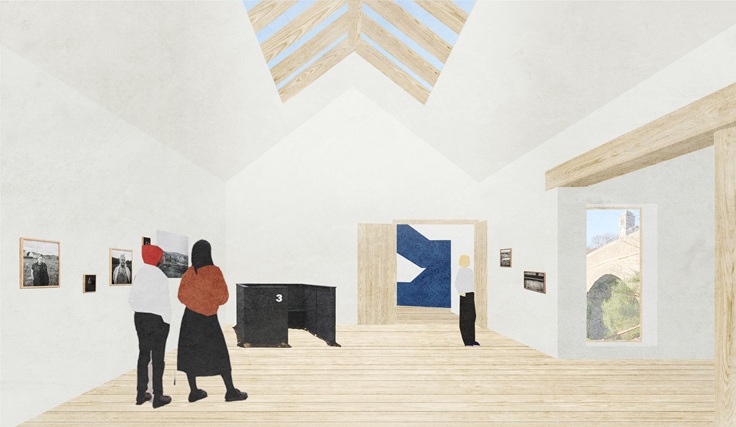
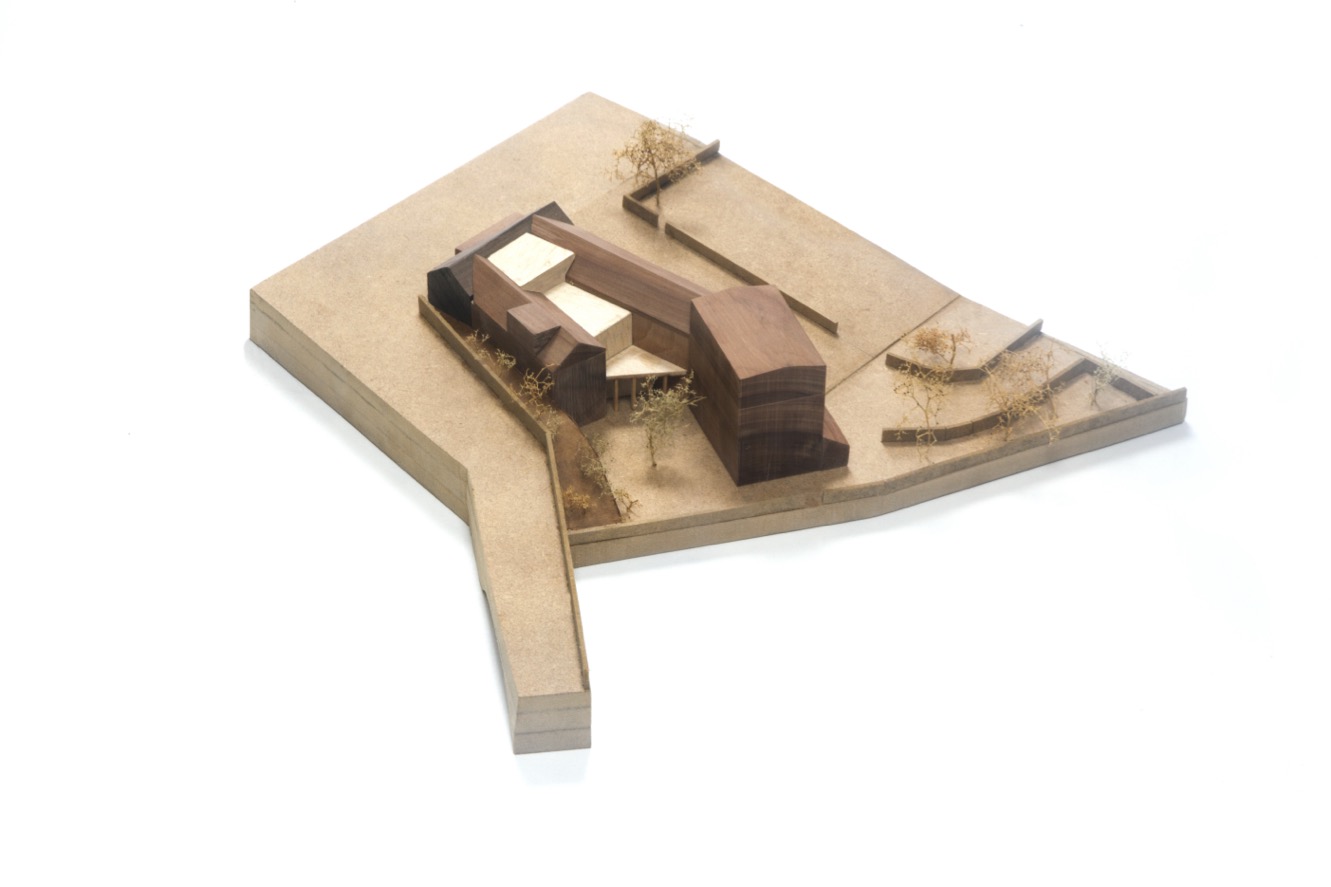
The feasibility study establishes the foundations for a redevelopment that strengthens Timespan’s civic role in Helmsdale while equipping the organisation with the spatial, technical and environmental infrastructure required to address urgent cultural, social and environmental questions at local, national and international scales.
For ASSEMBLE member Alice Edgerley and Rory Corr from Office Corr Higgins, the redevelopment “presents a fantastic opportunity to create a locally embedded, globally connected cultural venue in the Scottish Highlands”.
They said: “It has been great meeting and working closely with the Timespan team and its dedicated groups of stakeholders and volunteers. Together we can deliver a materially rich, engagement-led and ecologically responsible building, we are really looking forward to the next stage of this project.”


Giulia Gregnanin, director and curator at Timespan, added: “This feasibility study sets out how Timespan can continue to act as a civic, cultural institution for Helmsdale, while remaining connected to global conversations around justice.
“Working with ASSEMBLE and Office Corr Higgins has allowed us to translate our values as an Institution of the Commons into an architectural vision that is low-carbon and rooted in place. It marks a critical first step towards a long-term, resilient future for Timespan and for rural cultural infrastructure more broadly.”
A new model for the rural museum
The proposed redevelopment positions Timespan as a prototype for small-scale cultural institutions operating in remote and rural contexts. The redesigned building supports a programme that connects Helmsdale’s distinctive material culture and histories to wider conversations around land, extractivism, climate justice, participatory governance and digital heritage.


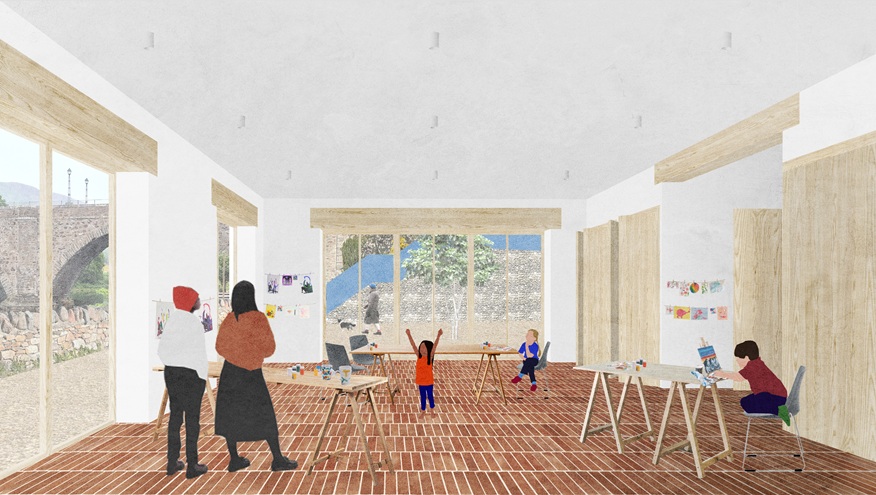
By providing appropriate, flexible and environmentally responsible spaces, the project enables Timespan to expand its leadership in contemporary art, digital research and community-centred practice at a time when rural cultural infrastructure faces increasing pressure and precarity.
The feasibility study translates Timespan’s commitment to operating as an Institution of the Commons into architectural form. Cultural space is conceived as a shared civic resource, supporting collective use, shared knowledge and everyday participation.
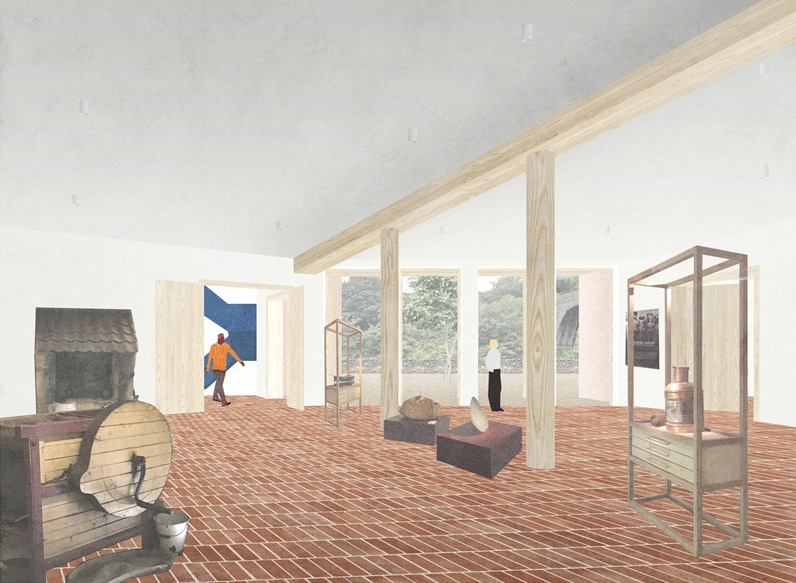
The proposed layout brings together galleries, museum displays, archive, library, workshop and social spaces within a clear and coherent plan that encourages collaboration and encounter across different users and forms of knowledge. Improved circulation, visibility and accessibility support use by diverse audiences, including local communities, visitors, artists, researchers and partners.
Key features include:
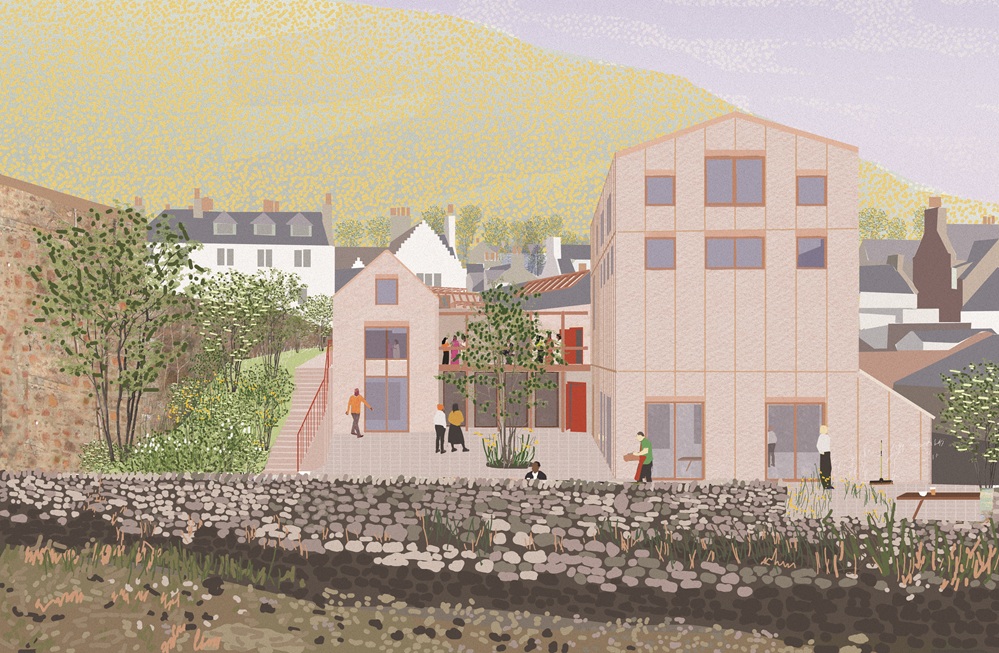
- the reinstatement of the historic Cottage as a public entrance, strengthening connections between the museum and the village
- intuitive circulation and improved accessibility throughout the building
- interconnected public spaces that encourage dialogue between art, heritage, research and community activity
The building is conceived as a place for learning, gathering and civic engagement in a region where cultural provision is limited and institutions carry significant social responsibility.
A circular, bioregional design strategy grounded in climate justice and degrowth
Aligned with Timespan’s long-standing engagement with climate justice and post-extractive futures, the feasibility study adopts a circular, bioregional design framework. The approach prioritises responsible resource use, long-term resilience and reduced environmental impact.
The strategy focuses on retaining and upgrading existing structures, specifying low-carbon and locally sourced materials—including stone, lime and timber native to the Highlands—and achieving high levels of operational efficiency. Rather than expansion for its own sake, the proposal creates adaptable spaces that minimise waste, duplication and future retrofitting. The project proposes a building calibrated to Timespan’s programme, supporting environmental responsibility and long term resilience.
The design responds to the site’s layered histories as a former herring curing yard, the domestic scale of the Cottage, and Helmsdale’s wider landscape shaped by fishing, crofting, clearance histories and geological formations.
Key historic elements are retained and strengthened, while new architectural forms reorient the building towards daylight, the river and the valley. A new south-facing courtyard creates a sheltered public space, improving connections between the building, the village and the surrounding landscape.
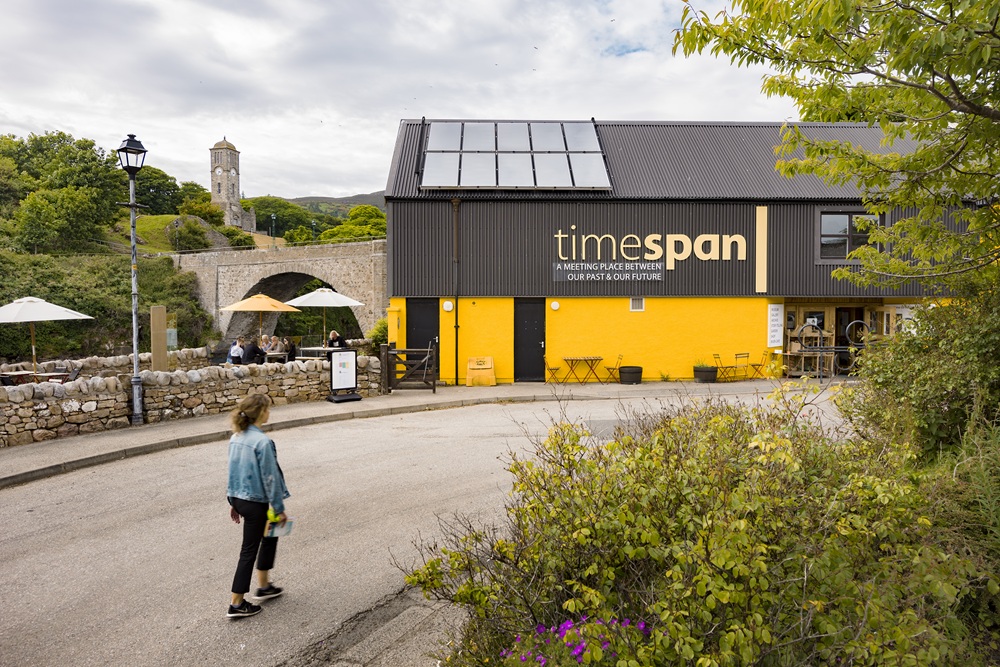
©Marc Atkins
This approach balances continuity with the past, by honouring the existing fabric, and the requirements of a flexible future-oriented cultural organisation. Combined together in the new design this will allow Timespan to host ambitious exhibitions, moving image, sound, installation, digital innovation and multi art form practice.
The redevelopment is framed as a form of community investment. It creates opportunities to work with regional craft knowledge - including stone masonry, lime work and timber construction - and to involve young people and local partners in aspects of material testing, fabrication and making.
By embedding skills development into the project, the redevelopment supports long term capacity within a region where training routes are limited.
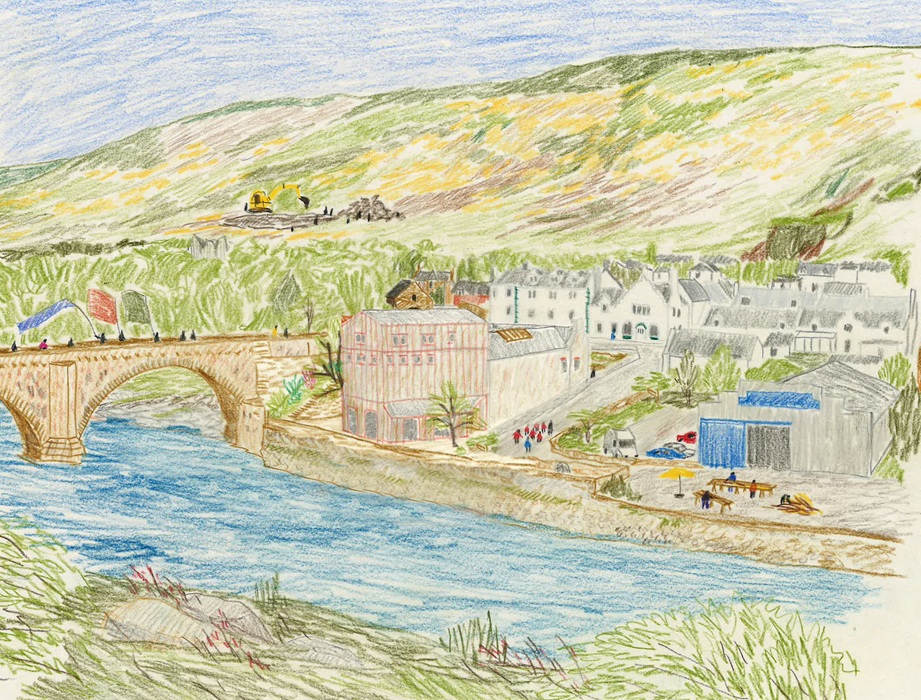
The redesigned building provides a coherent and technically capable home for Timespan’s cross-disciplinary programme, including:
- a sequence of flexible gallery spaces
- an expanded and consolidated museum display area
- a purpose-built workshop for making and community production
- enlarged archive and library facilities
- a dedicated artist residency studio
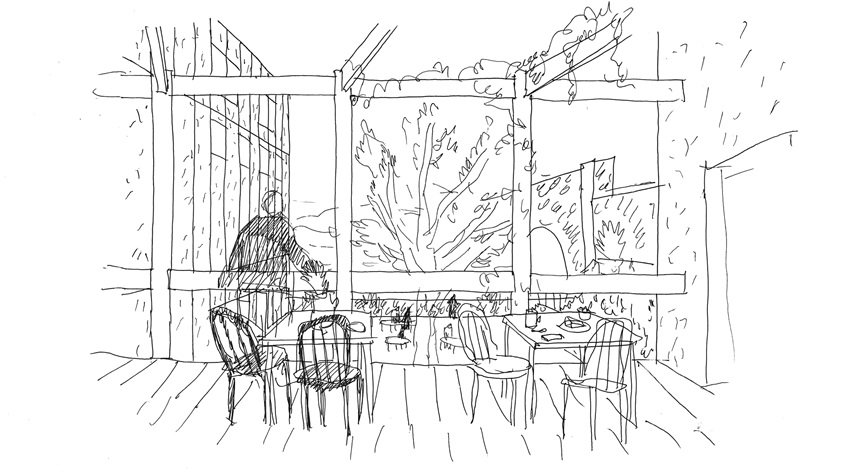
- improved social and public spaces, including a river-facing café
Together, these spaces reflect the full breadth of Timespan’s practice, supporting exhibitions, research, digital heritage, education and community activity within a single integrated environment.
Timespan will now work with partners, funders and stakeholders to develop the next phase of design, consultation and fundraising.

Share this article:

Subscribe to our newsletter to not miss articles like this one:
 SUBSCRIBE

