




Caution replaces speculation in Scotland’s rural land market
 Reading time: 3 minutes
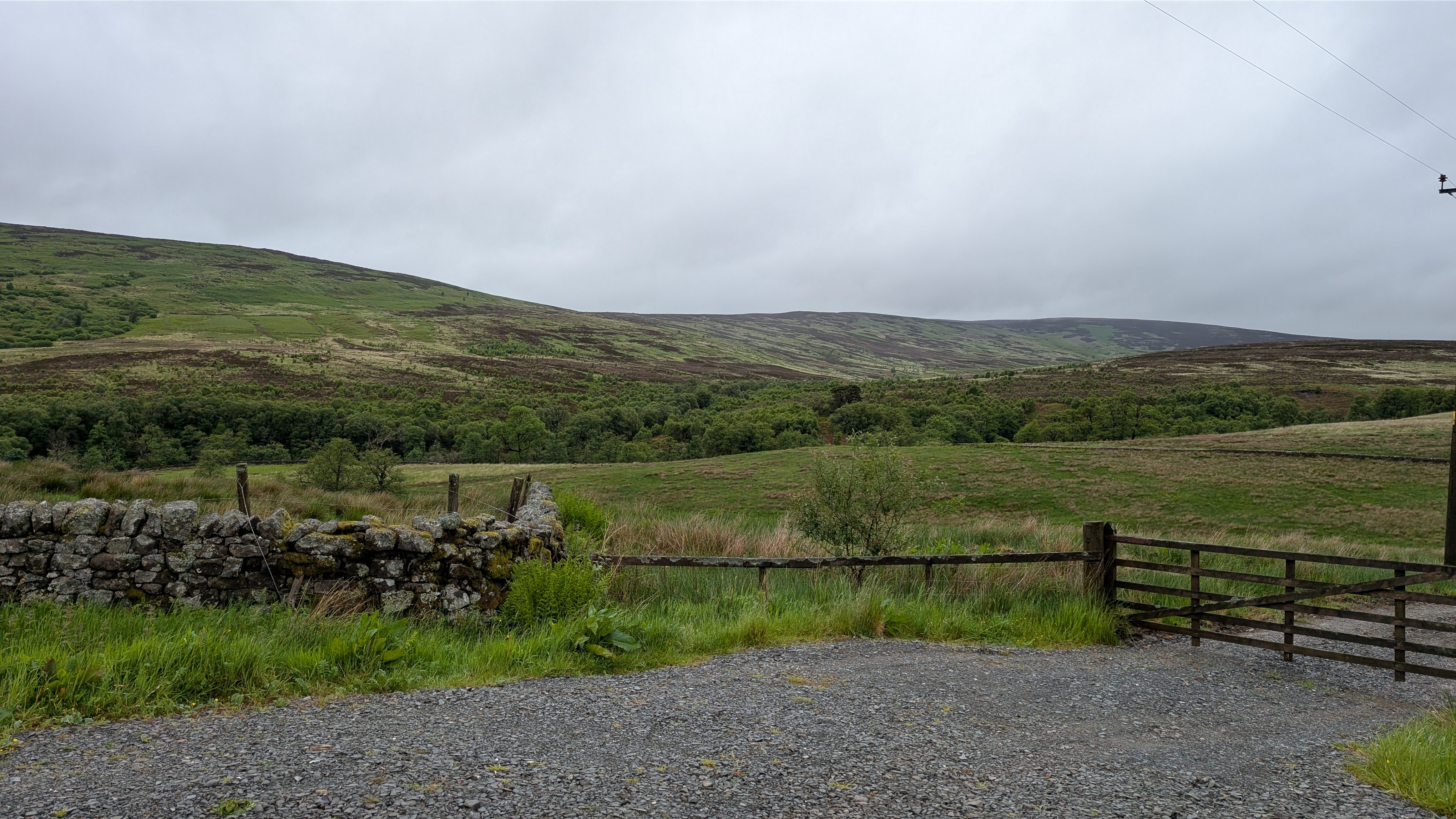
Image credit: Scarlett Macfarlane
A more cautious and selective approach to buying land is emerging across Scotland’s rural land market, according to a new report published by the Scottish Land Commission.
The Rural Land Market Insights Report 2026, produced in partnership with SRUC, suggests the rapid growth and speculative activity seen during the post-pandemic period has given way to a slower and more measured market.
Based on interviews with land agents operating across farmland, forestry, estates and natural capital, the report found that activity levels declined across most sectors during 2025, with fewer active buyers, longer transaction times and reduced competition.


One land agent described the market as “probably the slowest I can remember since around the crash [in] 2008”, while another said “the market just seems to have frozen”.
However, the report suggests the slowdown reflects a broader shift in investor behaviour rather than a collapse in demand.
Buyers are increasingly cautious and selective, with agents reporting that speculative investment has reduced and purchasers are seeking clearer evidence of long-term returns before committing to deals.
The report found that Scotland’s forestry and natural capital markets experienced the sharpest cooling during 2025, with demand for planting land and carbon-focused projects falling significantly compared to the peak years of 2020–2022.


One agent said: “people were just willing to take the risk. And they’re now not.”
Another commented: “Transactions are scarce relative to recent years but are now constrained more by demand than supply.”
The report identifies a range of factors shaping the market, including high interest rates, inflation, uncertainty around taxation and wider economic pressures. In the forestry sector, agents also highlighted low timber prices and delays in planting approvals as key concerns affecting investor confidence.
In contrast, the farmland sector was found to be comparatively resilient, supported by demand from expanding farming businesses and strong livestock prices.


James MacKessack-Leitch, policy and practice lead at the Scottish Land Commission, said: “Over the last few years we’ve seen significant changes in Scotland’s rural land market, particularly around forestry and natural capital investment. What’s interesting in this year’s report is the sense that buyers are becoming more cautious and more selective about where they invest – if at all.
“It’s important that we continue building a clear picture of what’s happening across the market, because these trends have real implications for rural communities, land use and the wider rural economy.”
Dr Ian Merrell, SRUC, who authored the report, added: “This year’s findings suggest the market is entering a different phase from the highly active period seen during and immediately after the pandemic.
“Across multiple sectors, buyers are taking more time, scrutinising opportunities more carefully and placing greater emphasis on evidence of long-term viability and returns. At the same time, farmland has remained relatively resilient compared to forestry and natural capital markets.”
The report also highlights that Scotland’s rural land market remains relatively small overall. Previous Scottish Land Commission analysis found that land sales in 2024 accounted for around 0.5% of Scotland’s total land mass.
The findings from the report will be discussed at an upcoming panel event at the Royal Highland Show exploring land data, transparency and trends in Scotland’s rural land market.
Further details and tickets are available through Eventbrite.

Share this article:

Subscribe to our newsletter to not miss articles like this one:
 SUBSCRIBE