






Conference to put nature at heart of urban design and planning
 Reading time: 4 minutes
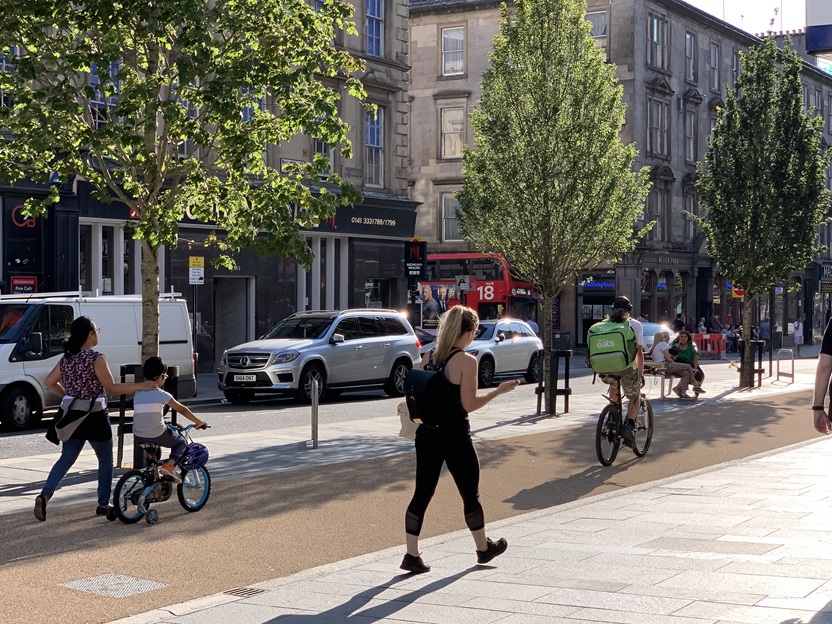
Image credit: Urban Movement
Scotland’s built environment professionals will come together on 17 June in Stirling for a one-day event focused on why trees succeed or fail in development and what needs to change to improve outcomes.
Building on the success of the 2023 event, the Trees and Development Conference 2026 will bring together practitioners from architecture, landscape architecture, planning, engineering, forestry and urban design. It will explore how decisions made at each stage of a project, from early briefing and concept design through to construction and long-term stewardship, shape the success of trees in towns and cities.
The conference is co-organised by Future Woodlands Scotland, the Institute of Chartered Foresters and the Trees and Design Action Group.


The overall theme, “Putting nature at the heart of urban design and planning,” reflects Scotland’s growing ambition to deliver greener places shaped around ecological resilience and community wellbeing. The conference is open to all those involved in urban forestry management, policy, planning and decision making.
With the introduction of the National Planning Framework 4 (NPF4) in 2023, Scotland’s planning system now places far greater emphasis on climate, biodiversity and high quality placemaking. At the same time, growing evidence highlights the essential role trees play in cooling streets, improving air quality, reducing flood risk and supporting community wellbeing.
The conference will give professionals across the built and natural environment the insights, tools and practical examples they need to respond to these changes and deliver nature-rich places from the outset. Through case-led, collaborative site design, delegates will explore how decisions made from briefing and site analysis through to design, planning coordination and delivery affect outcomes for trees. Participants will leave with practical approaches they can apply in live projects.
The conference will be chaired by Karen Anderson FRSE, president of the Royal Incorporation of Architects in Scotland (RIAS), with additional speakers and panel contributors to be announced in the coming weeks. Attendees can expect insights from leaders in planning, engineering, landscape architecture, urban forestry, policy and environmental management.


Shireen Chambers, CEO, Future Woodlands Scotland, said: “Trees must be recognised as essential infrastructure in Scotland’s towns and cities. They clean the air, cool neighbourhoods, reduce flooding and create healthier places for people.
“Scotland has some of the lowest urban canopy cover in Europe, so we need to rethink how we plan and design our towns and cities if we want to change that. By embedding trees from day one, we can build places that are more resilient, more attractive and better for the communities who live in them.”
Louise Simpson, executive director at the Institute of Chartered Foresters, said: “Trees are essential infrastructure for healthier, more resilient places, but they only thrive when they are considered from the very start of the design process. This conference will bring together the planners, designers, engineers and arboriculturists who shape our towns and cities to share practical solutions and learn from one another.
“If we want greener, climate-ready urban places, collaboration across the built and natural environment sectors is critical, and this event offers a valuable opportunity to make that happen.”
Karen Anderson FRSE, president, Royal Incorporation of Architects in Scotland, said: “In designing our places for the future we need to not just address the critical challenges of the climate and nature crisis but ensure they will support our communities.
“Putting nature at the heart of development is key for our wellbeing and offers so much benefit for our future lives. I am really looking forward to what promises to be a day of inspiration that I hope will provide momentum for this important step change in how we view development.”
The conference will take place at the University of Stirling, which is easily accessible by public transport and offering a range of on-site accommodation options for delegates travelling from across Scotland and the UK.

Share this article:

Subscribe to our newsletter to not miss articles like this one:
 SUBSCRIBE