




Construction starts on £750m supercomputer site hosted at University of Edinburgh
 Reading time: 4 minutes
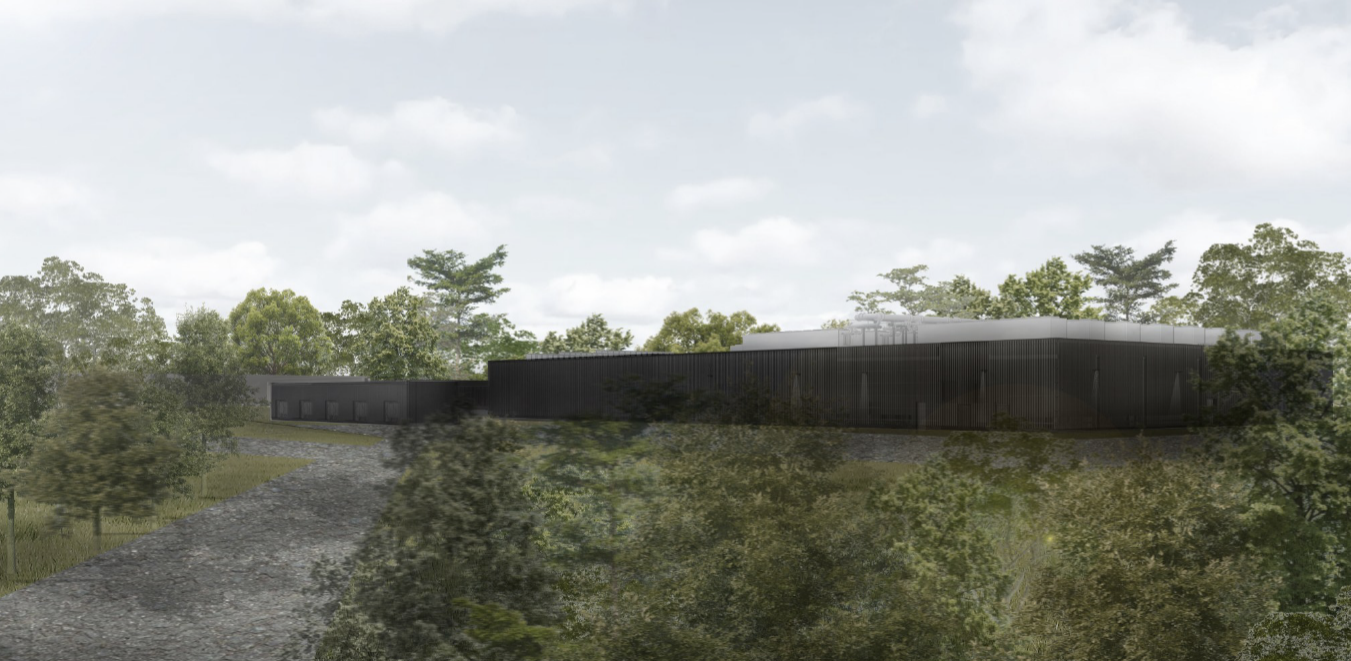
Artists impression, credit: Sheppard Robson
Construction has started on the site of the UK’s most powerful computer, indicating a new milestone in research and innovation.
Owned by UK Research and Innovation (UKRI) and hosted at the University of Edinburgh the UK’s next National Supercomputer is anticipated to pave the way for discoveries in internationally significant fields including aircraft engineering, extreme weather events and drug discovery for cancer.
The machine, which was made possible by an investment of up to £750 million from the UK Government, is anticipated to solidify the UK’s status as a leader in supercomputing.


It is roughly fifty times more powerful than the UK’s current national supercomputer, ARCHER2, which means the new system will be able to deliver complex calculations in hours instead of days, and tackle much bigger problems than what was previously possible.
Supercomputing enables researchers to understand alterations in our ocean temperatures and simulate earthquakes.
Environmental considerations are central to the supercomputer’s design, which will be more efficient than existing models, with surplus heat generated to heat university buildings and research planned to examine if it could also be used to heat local homes.
Site demolition has been carried out at a minimum to decrease environmental impacts and several sustainability projects are planned with the construction team, such as tree planting, protecting ancient trees, and conservation projects for local wildlife.


Construction work on the building, which is roughly the size of a supermarket, is being delivered by Robertson Construction Central East.
Professor Mark Parsons, director of the EPCC at the University of Edinburgh, said: “You would never guess from this ordinary-looking building site just how vitally important it will be for the UK and how its contents could impact on all of our lives positively.
“This marks a profound leap in compute power for the UK. The value of this supercomputer across our society is vast, and will aid strong industry, a healthier economy and a happier population.”
UK AI minister Kanishka Narayan said: “Today’s milestone in Edinburgh marks a decisive step in delivering our Compute Roadmap - building the sovereign computing power Britain needs to stay in control of its future in AI and science.
“This is what will unlock the next generation of breakthroughs – from training more powerful AI systems to accelerating scientific discovery and creating new products and high-growth businesses. It is our Industrial Strategy in action, turning British ideas into the jobs and industries of the future.”
Professor Sir Peter Mathieson, principal and vice-chancellor of the University of Edinburgh, said: “It is clear that this investment will strengthen UK science and with our track record in supercomputing, Edinburgh is perfectly placed to host this.”
Professor Liz Baggs, vice-principal for Research and Innovation and chair of Food and Environmental Security, University of Edinburgh, said: “The best research advances can happen when skills and talent are enabled by exceptional tools.
“This Supercomputer has the potential to help UK researchers accelerate frontiers, unlock new paradigms, and develop solutions to challenges that were previously impossible.”
Baggs added: “This includes creating the next generation of medicines, revealing untold stories about our planet, and, most excitingly, leading to discoveries that we can’t even imagine yet.”
Garth Wells, deputy executive chair, Engineering and Physical Sciences Research Council at UKRI, said: “This £750m investment isn’t just about speed; it’s about economic growth, and ensuring the UK remains the premier destination for global innovation.”

Share this article:

Subscribe to our newsletter to not miss articles like this one:
 SUBSCRIBE