





Dumfries and Galloway releases independent review of bridges and structures
 Reading time: 3 minutes
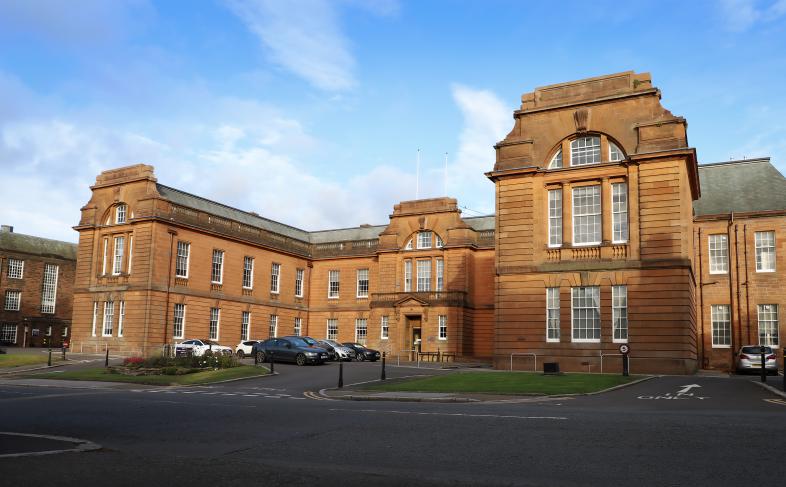
Dumfries and Galloway Council HQ building
An independent review of bridges and structures in Dumfries and Galloway has been published by the council, which identifies gaps in inspections, assessments, records, as well as planning.
On 3 November, the findings and improvement work will be discussed by councillors on the Economy and Infrastructure Committee.
They will also be asked to agree that another committee report should discuss progress, the staff and funding required, as well as proposals for managing the council’s bridges and structures for the longer term.


In November last year, Information on the council’s management of its bridges and structures was reported to the Economy and Infrastructure Committee.
The committee, in March this year, considered staffing and workload pressures in the council’s Bridges and Structures team and was advised that an independent review would be commissioned.
The council has created a plan to address the review’s recommendations and improvement work is currently underway.
A structural review programme that identifies where structural assessments are needed and the order of priority is being spearheaded by a chartered senior bridge engineer.


Work is also going ahead to boost inspection records and procedures and deliver specialist training for staff.
The engineering and infrastructure consultancy Jacobs was commissioned by the council to independently assess how the council manages its bridges and structures and recommend improvements.
The review assessed the council’s approach against the Scottish Collaboration of Transportation Specialists (SCOTS) Asset Management Framework and relevant national standards.
According to Jacobs, the council has adopted the framework’s principles and acknowledges its responsibilities as a local roads authority. But it is not entirely meeting several of the framework’s requirements.
The findings show that inspection programmes are not being completed on time. Gaps in structural assessments were also found.
Additionally, records, long-term maintenance planning, checks on progress and the manner in which risks are identified and managed also need to get better.
Longstanding shortages of staff and resources, challenges with recruiting and retaining experienced specialists, disruption linked to the Covid-19 pandemic and major unplanned projects, such as Kirkcudbright Bridge, were the main causes identified.
Major weaknesses in the council’s central records system, such as incomplete records and difficulties finding and tracing back inspection information, were also found in the review.
Councillor Andy Ferguson, chair of the economy and infrastructure committee, said: “This review makes difficult reading, and we accept its findings.
“We take our responsibilities for managing and maintaining the council’s bridges and structures seriously.
“Work to address the issues identified is already underway.”
Ferguson added: “I am clear that every recommendation needs to be addressed.
“Members will consider the review, the work underway and the proposed next steps on 3 November.”
Completing overdue inspections, enhancing records and risk management, and planning structural reviews, assessments and checks on erosion dangers surrounding bridge foundations are among the recommendations.
Longer-term work includes staff training and development, improved use of digital records, organising future maintenance and investment, and closer working with neighbouring councils are among the longer-term work.
Councillor Tony Berretti, vice-chair of the Economy and Infrastructure Committee, said: “Members will examine the findings alongside the work already underway.
“We need to know what has been done, what remains outstanding and how progress will be reported.”

Share this article:

Subscribe to our newsletter to not miss articles like this one:
 SUBSCRIBE