





Glasgow set to trial ‘People First Zone’ approach
 Reading time: 4 minutes

Pedestrian‑focused changes will be trialled on Queen Street and Ingram Street in early 2026 as part of Glasgow’s People First Zone (PFZ) approach for the city centre.
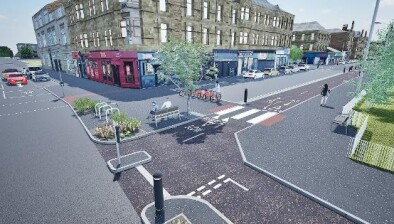
Incorporating wider pavements, safer crossings and new street trees, the approach will enhance pedestrian space and priority within a greener, more welcoming setting.
Work begins in February on a redesigned, fully accessible, step‑free junction where Queen Street meets Ingram Street - creating a safer and more direct crossing point in an area of high footfall.


From March, temporary footway extensions made from high‑quality, durable materials will be installed along both streets. Widening the pavements will create a safer, more comfortable environment for pedestrians - supported by the introduction of new parklets.
Although some general on‑street parking will be removed, the area is well served by nearby off‑street parking facilities.
All existing commercial loading bays and disabled parking spaces will be retained to ensure continued access for businesses and those who rely on accessible parking.
To help create a calmer walking environment and reduce non‑essential traffic on Queen Street and Ingram Street - Bus and Authorised Vehicle Gates (operating 7am-7pm) will be trialled. These will allow only buses, taxis, pedal cycles, commercial vehicles and other authorised vehicles to make right turns between the two streets.


These changes will support the nearby Argyle Street East Avenue project which starts construction in Spring 2026. Once this Avenue is complete, a direct west‑to‑east bus lane will be reintroduced on Argyle Street. This change will remove the need for buses to follow the current extended loop via Queen Street, Ingram Street and Glassford Street - reducing traffic on these roads and improving journey times for passengers.
The People First Zone approach for Queen Street and Ingram Street will also transform the look and feel of the area, with the addition of thirteen new street trees, set in high‑quality stone planters. This added greenery will bring colour, soften the streetscape and create a more welcoming environment for everyone moving through the space.
The PFZ changes will operate under an Experimental Traffic Regulation Order for up to 18 months, enabling monitoring of pedestrian activity, traffic behaviour and the overall impact of the trial. Feedback from residents, businesses and visitors will also help shape the final street designs and support future bids for permanent works.
Cllr Angus Millar, convener for City Centre Recovery, Transport and Climate, said: “This first phase of Glasgow’s People First Zone is an opportunity to demonstrate new ideas and see how they work for the thousands of people who use these streets every day. By introducing changes on a trial basis, we can safely explore options that create more space and priority for people on foot to create a lower-traffic city centre environment for pedestrians.
“To deliver high‑quality results from the outset, we’ve worked with a specialist supplier to design robust, footway extensions, built to withstand heavy use and Glasgow’s weather. The upgraded parklets and units use durable materials and construction methods that provide a much more reliable, longer‑lasting solution than earlier temporary features. Easy to maintain street trees in stone planters will also be introduced, echoing the high‑quality design already seen outside GoMA.
“The city centre People First Zone approach is also proposed to be extended to Candleriggs and Wilson Street, complementing ongoing projects such as the George Square redevelopment, the Avenues Programme, and major regeneration projects being delivered throughout the city centre such as at Candleriggs Square. I’d encourage everyone to share their views on the proposals when consultation opens early next year as part of the trialling of this approach, as feedback will play a vital role in shaping how this part of the city evolves.”

Share this article:

Subscribe to our newsletter to not miss articles like this one:
 SUBSCRIBE