





Lynsey Jackson: Why building more homes isn’t enough, we need to build smarter
 Reading time: 4 minutes

Lynsey Jackson
As Scotland continues to grapple with housing supply challenges, much of the conversation has rightly focused on increasing the number of homes being delivered. While that is clearly essential, it is only part of the solution, writes Lynsey Jackson.
With sustained pressure on housing supply, there is a growing need to consider not just how many homes we build, but how well those homes work for the people living in them. Making better use of space within each property is becoming increasingly important, particularly as buyer expectations continue to evolve and conflict with an ever-challenging financial landscape.
Affordability remains one of the defining factors shaping the market. Buyers are increasingly working within fixed budgets and, in many cases, around key LBTT thresholds, which places greater emphasis on getting maximum value from every purchase. At the same time, the absence of schemes such as Help to Buy means many first-time buyers are approaching the market with a longer-term mindset from the outset.


Rather than planning to move again in a few years, buyers are looking for homes that will continue to meet their needs over time. That shift is influencing not just what people can afford, but what they are willing to consider.
As a result, priorities are evolving. Buyers are becoming less focused on traditional layouts and more interested in how a home functions in practice. Flexibility, adaptability and long-term usability are increasingly seen as essential, rather than desirable.
This is where design has an important role to play. Multi-level living provides a clear example of how space can be used more effectively. By building across three levels rather than two, it is possible to deliver significantly more usable living space without increasing the overall footprint. In a context where land availability and planning constraints are ongoing considerations, that efficiency becomes increasingly valuable.
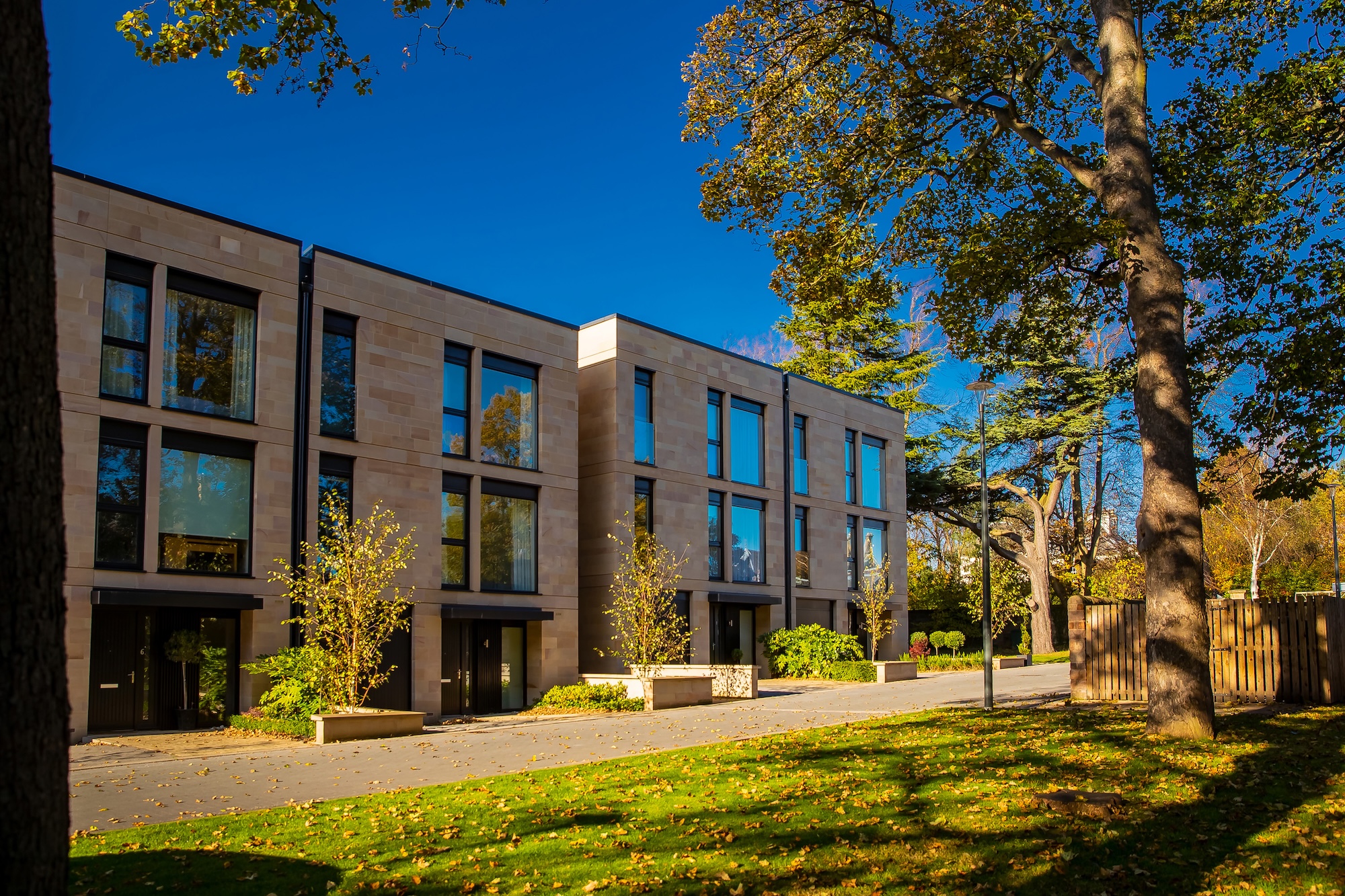


Importantly, the benefits are not just about maximising space, but about how that space functions. Homes are now expected to support a wide range of needs, from family life to work and everything in between. A multi-level layout allows for a more natural separation of space, helping households create distinct areas for different aspects of daily life while remaining under one roof.
The additional third floor is a key part of this. It provides extra space from the outset, without the need for future renovation or extension. That space can be used in a variety of ways, offering a greater sense of privacy for visiting family or an older child, offering a level of flexibility that is becoming more sought-after for modern multi-generational households.
It can also provide a dedicated workspace, whether to accommodate more hybrid or remote working styles, or as a base for a small business. Having that flexibility within the home can offer additional convenience and, in some cases, a potential source of income without the need to rent separate premises.
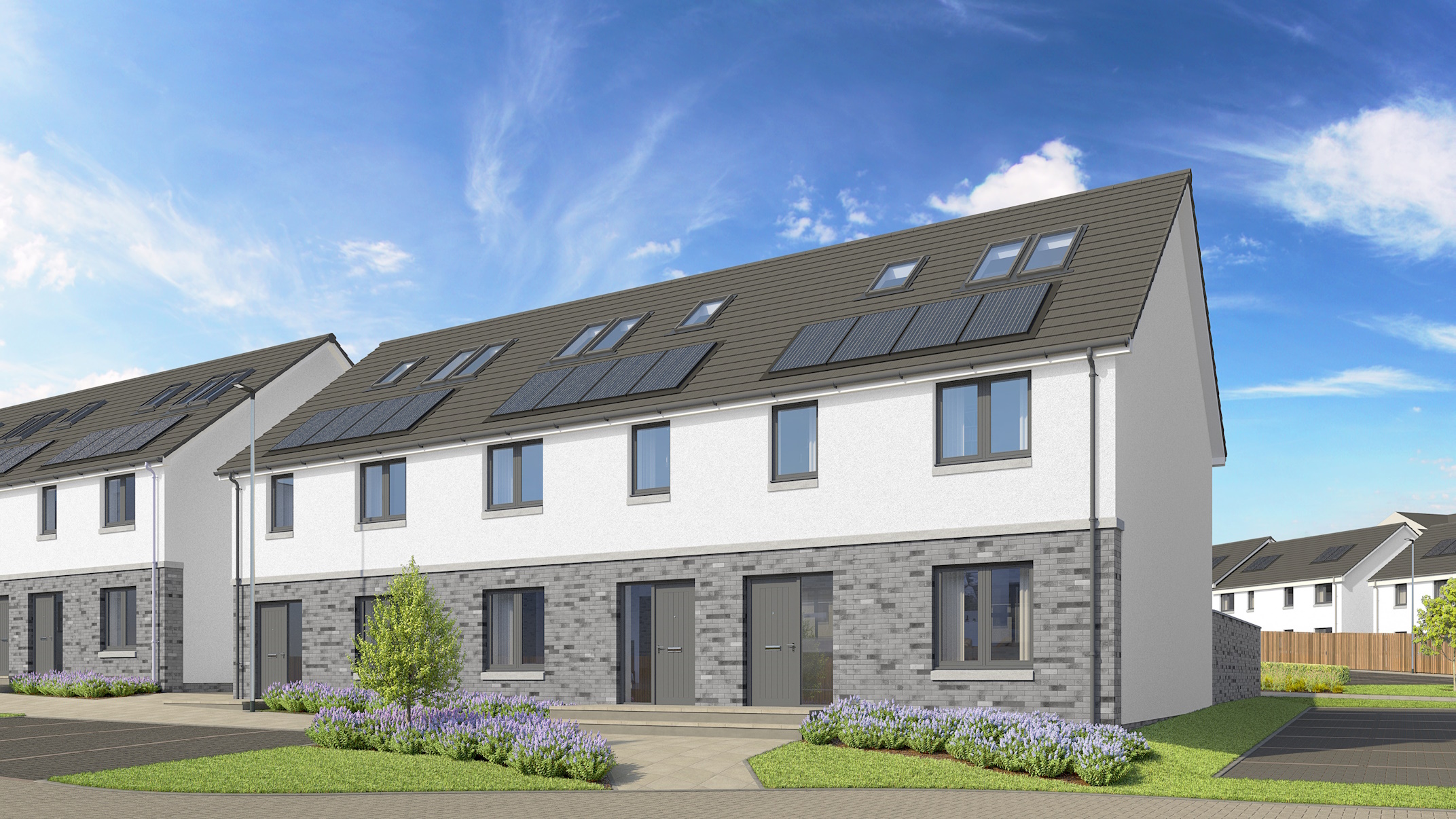

In many cases, it reflects the kind of additional space buyers might otherwise look to create themselves over time. Having it built in from day one not only reduces the need for future investment, but also supports longer-term living, something that is becoming more important as the cost and complexity of moving home continues to rise.
As the housing market continues to evolve, there is an opportunity to think more broadly about how we approach new homes. Increasing supply remains critical, but so too does ensuring that the homes we build are designed to meet real, long-term needs.
Smarter design, more efficient use of space and a greater focus on flexibility will all play a role in delivering homes that work harder for the people who live in them. In that sense, building more homes is essential, but building better, more adaptable homes is what will ultimately make a lasting difference.
- Lynsey Jackson is sales manager at Cruden Homes

Share this article:

Subscribe to our newsletter to not miss articles like this one:
 SUBSCRIBE