




McAllan describes Warm Homes Plan ‘missed opportunity’ as UK unveils £15bn retrofit programme
 Reading time: 7 minutes
Scotland’s housing secretary Màiri McAllan has sharply criticised the UK Government’s newly published Warm Homes Plan, arguing that the long‑awaited package fails to address the core barrier to clean‑heat uptake: the high cost of electricity.
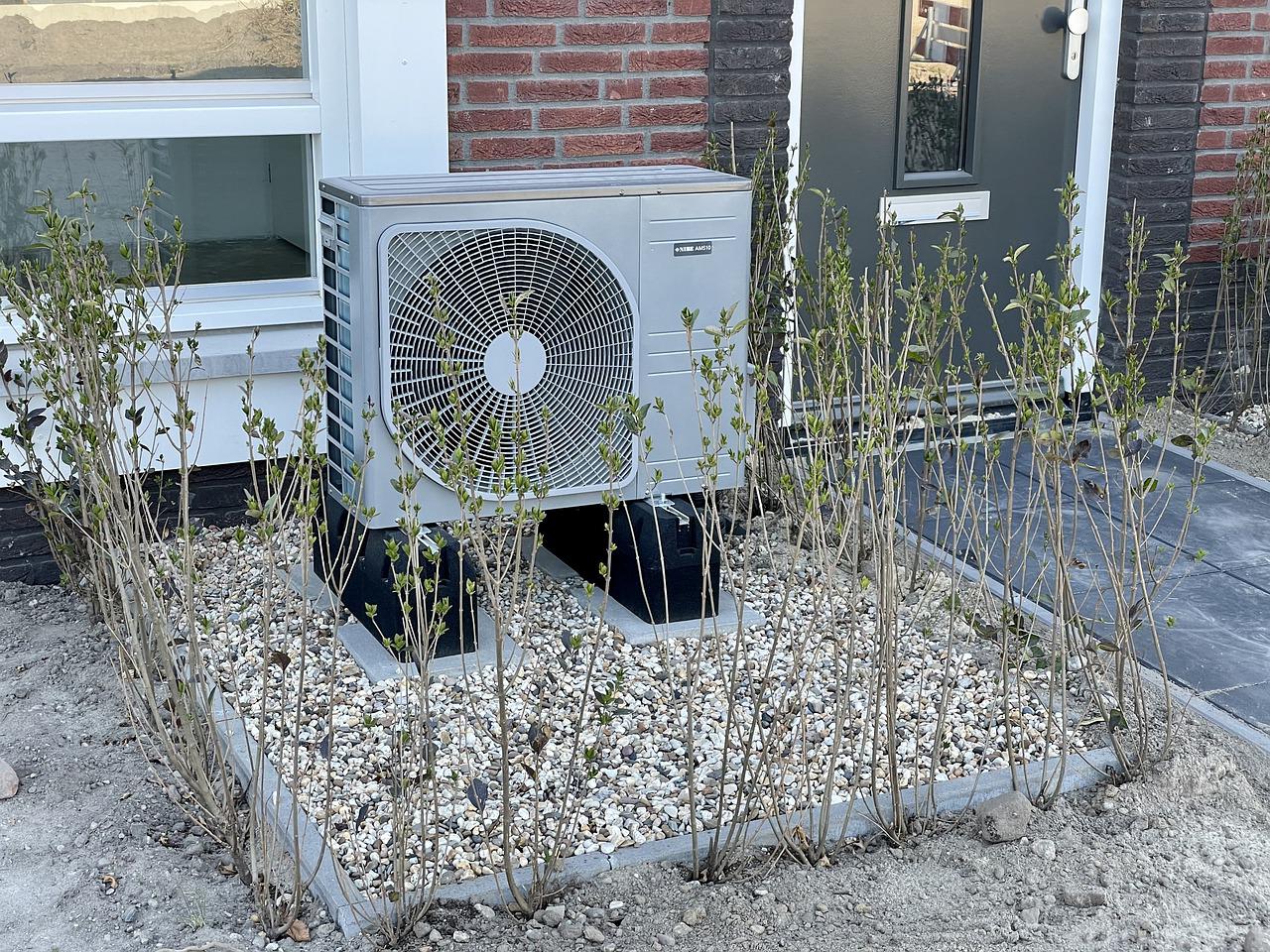
Billed as the largest home upgrade programme in British history, the £15 billion five‑year package aims to retrofit up to five million homes with solar panels, heat pumps, batteries and insulation, with the ambition of lifting one million households out of fuel poverty by 2030.
Key measures include low and zero‑interest loans for households to install solar panels, heat pumps and battery storage; £7,500 heat‑pump grants through an extended Boiler Upgrade Scheme to 2029/30; £600 million additional support for low‑income households, covering the full cost of solar and battery installations; new protections for renters requiring landlords to invest in energy‑saving upgrades; and universal access to retrofit finance regardless of income.


Màiri McAllan said the plan “does not contain the promised detail” on long‑term electricity price reform and warned that household bills “remain around £190 higher than at the time of the general election”. She reiterated Scotland’s call for a targeted social tariff, jointly developed with industry and consumer groups, which she said could cut annual bills for 660,000 Scottish households by an average of £700.
The housing secretary added: “The Scottish Government’s draft 2026-27 Budget allocates more than £330m to help install clean heat and energy efficiency measures in homes and buildings, and we expect our schemes to support an estimated 20,000 households make improvements.
“Between now and 2030, we are allocating £1.3bn to heat in buildings – around 60% of this will be targeted at those most at risk of fuel poverty so that they live in warmer, more affordable to heat homes.
“Our own New Build Heat Standard already ensures that all new homes granted a building warrant since April 2024 have clean heat installed, and that no more homes will be built with polluting systems.”


The UK Government said the plan will support a “rooftop revolution”, aiming to triple the number of homes with solar PV.
Ministers estimate that a typical three‑bed semi installing solar, a heat pump and battery storage could save around £500 a year on bills, though external estimates from Nesta and the MCS Foundation suggest savings could exceed £1,000.
The plan has been broadly welcomed across the energy, finance and labour sectors. Energy UK chief executive Dhara Vyas said the long‑term funding commitment provides vital certainty for investors, while Electrify Britain’s Camilla Born praised the ambition but stressed the need for rapid delivery.
Prime minister Keir Starmer said: “A warm home shouldn’t be a privilege, it should be a basic guarantee for every family in Britain. Today’s plan marks a turning point. It will help to slash energy costs and lift up to a million people out of fuel poverty.


“This is a government bearing down on the cost-of-living crisis. By driving bills down for good and upgrading millions of homes, we’re giving people the security and the fair shot they need to get on in life.”
Energy secretary Ed Miliband said: “It is a scandal that millions of people in our country do not have the security of a home that is warm, affordable and safe.
“With this investment, we embark on a national project to turn the tide - waging war on fuel poverty and taking another step forward in tackling the affordability crisis for families throughout Britain.”
Industry response
The long‑overdue launch is a vital step toward cutting energy bills and improving the UK’s ageing housing stock. Certainty on funding, a clear timetable, and stable regulation is essential to ensure builders can get on with delivering upgrades to Britain’s homes, according to the Federation of Master Builders (FMB).
Brian Berry, chief executive of the FMB, said: “The launch of the government’s long-awaited Warm Homes Plan is a critical step forward. A £15 billion programme to cut bills and upgrade homes, with the ambition to improve up to five million properties with energy efficient upgrades by 2030, is something which the FMB welcomes, but we must keep sight on the remaining 25 million UK homes that will still need upgrading at some point to make them fit for the future.
“While this intervention from government is needed, there must be incentives to get the industry moving, to make sure they are competent and skilled up to upgrade the majoprity of the UK’s homes.
“Focusing on the now, the task will be delivery. The new Warm Homes Agency must get up and running quickly to coordinate programmes and consumer protections, with procurement routes that give SMEs a fair chance to win work. The creation of a new Workforce Taskforce is also an important step. If the plan is to succeed, the Government must give industry a genuinely stable pipeline: multi‑year funding, a clear timetable, and certainty over future standards and regulations. Consistency will be essential if small builders are to invest in skills.”
SNIPEF, the Plumbing and Heating Federation, has welcomed the UK Government’s announcement but warned that delivery risks repeating past insulation failures without a skilled workforce.
Scott Sanford, head of technical services & certification at SNIPEF, said: “We welcome and support any initiative that helps families cut energy bills, reduce fuel poverty and accelerate the transition to a low carbon future.
“Improving insulation, expanding access to solar and heat pump technologies, and targeted support for low-income households are vital steps in delivering warmer homes, tackling long-term energy costs and contributing to net zero objectives.
“However, the plan lacks explicit and substantial detail about investment in the training and skills development required to deliver quality home upgrades at scale. SNIPEF is clear that without a properly trained and competent workforce, large-scale retrofit and low carbon heating deployment will falter.
“We have already seen the consequences of this approach. Previous government-supported insulation schemes allowed complex work to be carried out by inadequately trained and poorly supervised installers. In practice, this meant almost anyone could undertake publicly funded retrofit work, leading to serious failures, as seen in the recent spray foam insulation scandal, which has damaged homes, blighted homeowners and is now costing millions to resolve.
“If this programme is to succeed, investment in homes must go hand in hand with investment in people, skills and competence. Quality, safety and consumer confidence must be built in from the start, not dealt with after the damage is done.”
David Weatherall, head of policy at BRE, added: “We welcome the publication of the Warm Homes Plan and the government’s wider commitment to addressing fuel poverty and cutting carbon emissions. Helping poorer households and the coldest homes is a key step to decarbonising the built environment and improving living conditions. The 9% of homes that are EPC ‘E’ or below account for 55% of the fuel poverty gap so efficient use of Warm Homes Plan funding is imperative.
“It is good to see the government moving forward with plans for Minimum Energy Efficiency Standards to improve conditions in the private rented sector where some of the coldest homes can be found.
“The Warm Homes Plan will offer low income households a range of suitable upgrades, including insulation, which is vital. For other households, advice and wider support should unlock action on the full range of measures that can improve their home: reducing energy demand, and delivering low cost, low carbon energy.
“We look forward to reading the full contents of the plan and how its proposals will be rolled out. In particular, we await detail on how the plan will give further support for sector innovation and addressing energy efficiency alongside other aspects of poor quality housing.
“It is essential that the plan is ambitious and sustainable to protect households, boost industry confidence and drive long-term progress.”

Share this article:

Subscribe to our newsletter to not miss articles like this one:
 SUBSCRIBE