





Ofgem agrees early investment for proposed electricity superhighways
 Reading time: 3 minutes
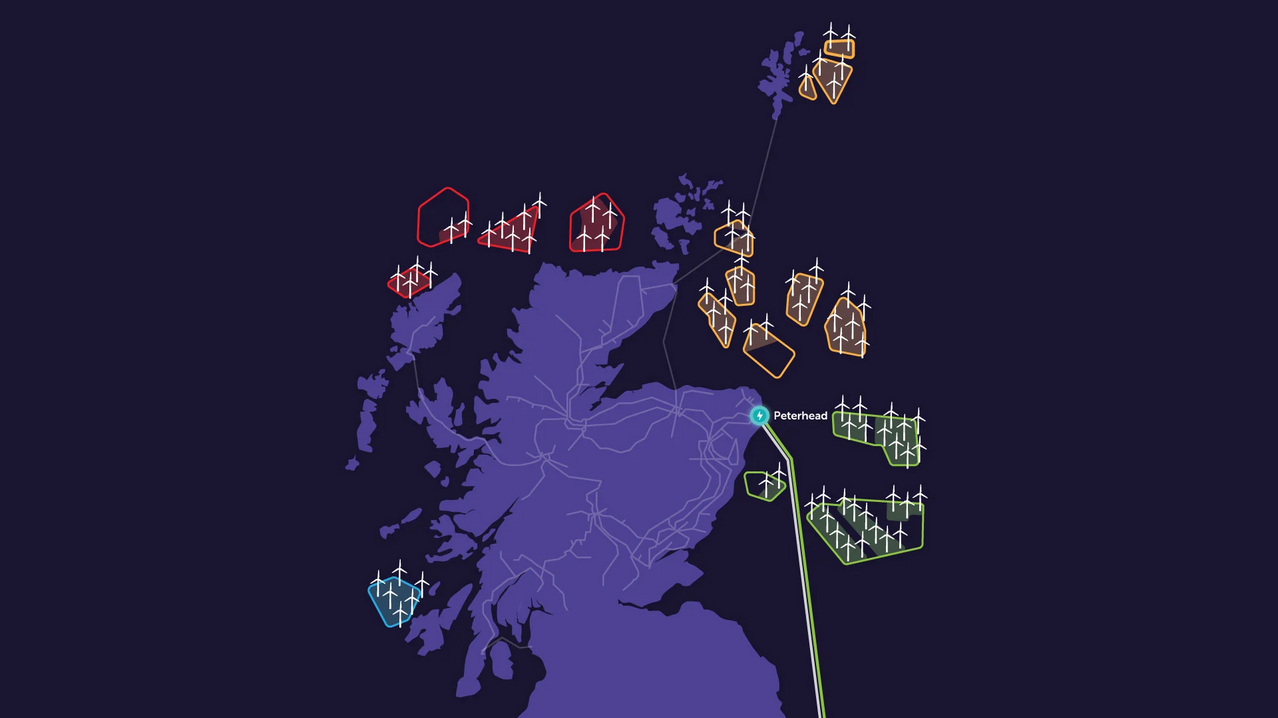
Three major projects that will help boost Great Britain’s energy security and clean power ambitions and deliver projected savings for consumers have taken a big step closer to fruition.
Ofgem has approved updated delivery dates and early investment for:
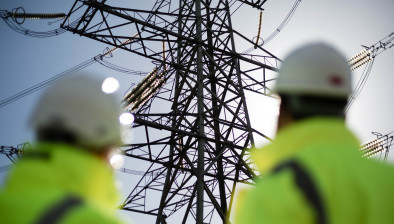
- Eastern Green Link 3 (EGL3) and Eastern Green Link 4 (EGL4) - two proposed subsea cables which would each provide 2GW of capacity to transport electricity generated from British offshore wind between Scotland and England via a network of onshore and offshore cables
- GWNC - a new onshore 400Kv electricity link between Grimsby and Walpole in Lincolnshire, to help transport the energy to consumers
A Cost Benefit Analysis (CBA) by grid operator NESO indicated the redesigned projects are expected to deliver a £3-6 billion benefit to consumers compared to the original network design primarily due to the earlier achievable delivery dates and avoided network constraint costs.


The proposed projects involve building high-capacity, electricity transmission links that would enable consumers to access more homegrown clean power, with the additional capacity provided by the links also reducing payments made to windfarms to switch off, when there’s no capacity to transport their energy on the grid.
Ofgem has approved amendments to the scope of the projects, including forecast costs and later target delivery dates, after Transmission Operators (TOs) proposed major design changes to reduce the impact of the projects on the local environment and ensure additional renewable generation could also be connected.
Following an assessment of the extensive redesign of the projects, Ofgem has set new target dates of December 2033 for GWNC and August 2034 for EGL3 and EGL4. Prior to these changes, there was a risk that TOs would not have delivered the projects until the late 2030s. TOs will be incentivised for delivering the projects earlier than these dates, but any late delivery will result in significant payments for penalties for each day the project is delivered late.
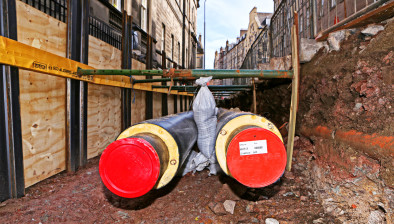
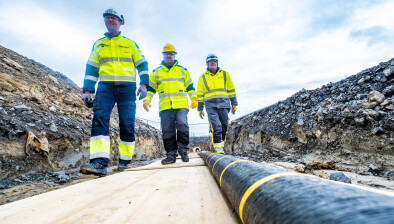
Overall, these projects are now expected to deliver greater consumer benefits than their original designs, in the form of reduced constraint costs through timely delivery, connection of additional homegrown clean power and reduced community and environmental impact, which includes proposals for underground cables on parts of EGL3 and EGL4, thereby reducing the impact of new overhead lines.


Ofgem has also approved early construction and preconstruction funding (ECF and PCF) for EGL3 and EGL4, which will enable the projects to proceed with enabling works such as strategic land purchases, surveys, design work and procurement of sought after components, equipment and materials.
Beatrice Filkin, Ofgem director of major projects, said: “Today’s decision puts these projects in a prime position to compete in the global race for sought after components such as HVDC cables and work towards seeking planning approval.
“We’re neither handing TOs blank cheques nor greenlighting the projects themselves – that is rightly for the relevant planning authorities to decide. Through intelligent use of early investment and setting realistic but ambitious timescales, we are helping shield consumers from unnecessary costs.”
She added: “Our processes help minimise wasted expenditure, if projects are altered, cancelled or refused permission, with any unspent money returned to consumers. The TOs must also demonstrate that their expenditure delivers clear benefits for consumers – otherwise those costs can’t be passed on to billpayers.
“When ASTI was implemented, it was recognised that the design and delivery dates of these projects might change, and our decision today ensures that the TOs face a suitably challenging date by which to deliver the updated design.”

Share this article:

Subscribe to our newsletter to not miss articles like this one:
 SUBSCRIBE