




Order book grows and underlying profit holds steady at Willmott Dixon
 Reading time: 3 minutes
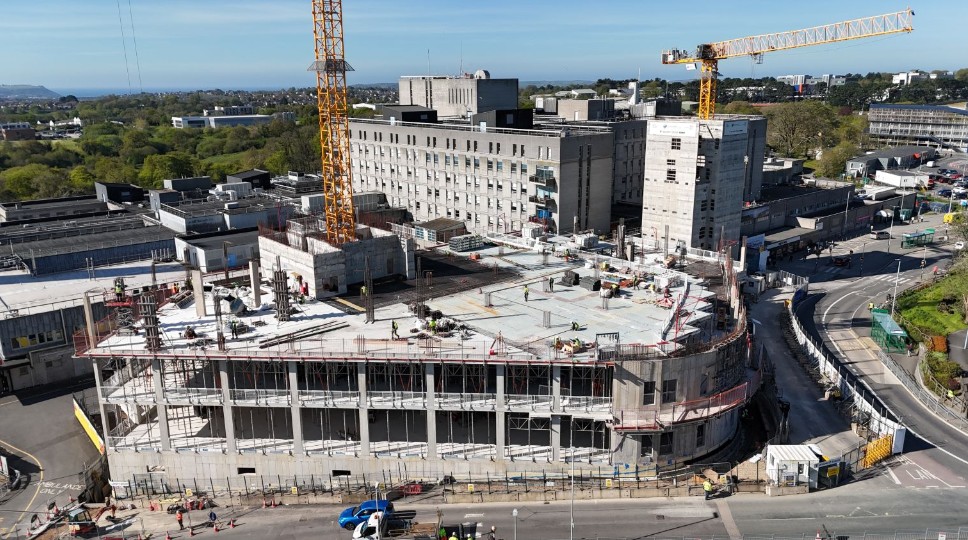
Emergency Care Building at Derriford Hospital, Plymouth
Willmott Dixon reached a £2.6 billion order book with a forward £4.4bn pipeline in 2025, up by 31% from the previous year.
The construction company’s underlying profit before tax reached £29.1 million, up from £28.6m in the previous year. Total pre-tax profit was £31.8m for the year, down from £46.8m.
Cash at bank reached £12.3m, up from £121.4m, with the company remaining free of debt.


Turnover dropped slightly, hitting £1.11bn, down from £1.16bn.
Almost £900m of new work was added in 2025, with more than 65% of turnover being acquired from repeat clients. More than £500m of new work was attained by the end of April this year.
Absolute carbon emissions dropped by 14% in the year.
Graham Dundas, chief executive officer of Wilmott Dixon, said: “Our results reflect the discipline of our selective approach of focusing on projects where we bring the very best skills and expertise for the benefit of our customers. We intend to grow in a measured and calculated way, by deepening long-standing customer relationships, by building on strong framework positions and further extending our expertise in Passivhaus and net zero delivery.”


“The Government’s commitment to £725bn of UK infrastructure investment over the next decade reinforces the sectors where Willmott Dixon is most active, including education, healthcare, defence, and property that reaches exacting net zero standards.”
“Next year, we’ll be celebrating our 175th year as a privately-owned business. As we look to the future, our record cash position, zero debt and strong order book provide a strong foundation in the current uncertain geopolitical world.”
“We remain far from complacent about the wider economic picture, including the risk of renewed inflation from geopolitical events. Across our industry, prices are coming under strain, and I’m conscious that our supply chain partners will be feeling rising costs most acutely. We are alive to the very real risks around cost inflation and supply chain resilience and need to continue and extend our close, collaborative partnerships.”
Dundas also said that women now make up 34% of its staff. Dundas added: “In a sector facing a structural skills crisis, being the employer of choice is not just a cultural ambition; it is a direct competitive advantage that shows in the quality of our delivery for customers.”



Share this article:

Subscribe to our newsletter to not miss articles like this one:
 SUBSCRIBE