




Output slips again despite January uptick as housing drags sector down
 Reading time: 3 minutes

UK construction output has recorded its fourth consecutive quarterly decline, with new figures showing a 2.0% fall in the three months to January 2026, according to the Office for National Statistics (ONS).
The downturn was driven largely by weakening new work, which dropped 3.2%, while repair and maintenance edged down 0.4% over the same period.
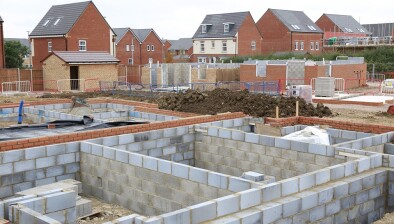
Seven of the nine construction sectors saw activity contract, with private new housing plunging 6.3%—one of the sharpest drops in recent years and a major contributor to the overall decline.


Despite the gloomy quarterly picture, monthly output rose by 0.2% in January, breaking a run of three consecutive monthly falls. However, the uplift came entirely from repair and maintenance work, which grew 3.3%, masking a 2.0% fall in new work.
Jo Streeten, managing director for Buildings & Places at AECOM, said the modest monthly rise offered “a welcome sign” after a difficult end to 2025.
“Key infrastructure projects that had been paused are beginning to accelerate and contractors are telling us there is still a solid pipeline of work expected to reach site later this year,” she said.
“Despite this, all eyes will be on the wider economic impact of ongoing geopolitical tensions… with inflation likely to rise and any cuts to interest rates held back.”


Streeten added that the updated UK Infrastructure Pipeline—setting out £718bn of planned investment—should help the sector plan with greater confidence.
Others were less optimistic. Clive Docwra, managing director at McBains, said January’s slight improvement masked deeper structural issues.
“It’s clear from today’s figures that investor appetite for major projects remains weak,” he said.
“Particularly concerning is the 6.3% fall in new housing… one of the sharpest drops in recent years. With the fragile economic climate and the Middle East crisis threatening to drive up material costs, the outlook for 2026 is already looking bleaker than expected.”


The Federation of Master Builders (FMB) said the figures should “set alarm bells ringing” for policymakers, warning that the only area showing growth, repair, maintenance and improvement (RMI), is largely delivered by micro‑firms.
Brian Berry, chief executive of the FMB, said: “Alarm bells should be ringing loudly after another fall in overall construction output… The steep decline in private new housing is especially worrying if we’re to get anywhere near the Government’s target of 1.5 million new homes.”
Berry added that while small builders were “propping up construction output”, they “cannot shoulder the burden alone”, urging the Government to accelerate reforms to the National Planning Policy Framework and boost local authority planning capacity.

Share this article:

Subscribe to our newsletter to not miss articles like this one:
 SUBSCRIBE