




Passivhaus-equivalent impact assessment ‘fails to consider added cost on new homes’
 Reading time: 5 minutes
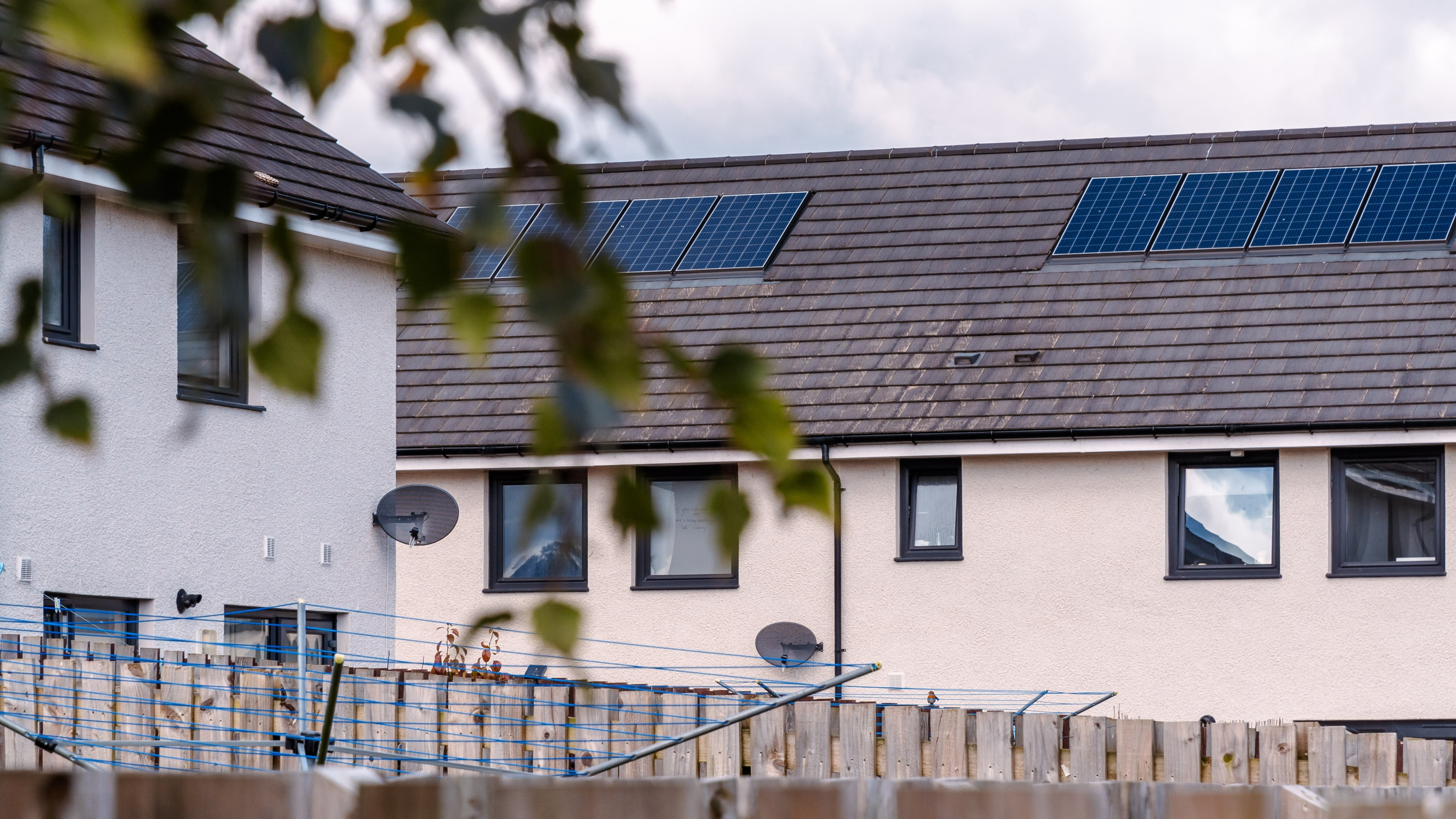
Housing bodies have criticised the Scottish Government for failing to consider the added cost of proposed new green energy standards on new homes, warning that the regulations will significantly deepen the country’s housing emergency.
The Scottish Federation of Housing Associations (SFHA), Homes for Scotland (HFS) and the Glasgow West of Scotland Forum of Housing Associations (GWSF) fear that proposals for an equivalent to what is known as the Passivhaus Energy Standard would add high costs to new homes in pursuit of a negligible reduction in carbon emissions.
The housing bodies, which represent the vast majority of the country’s housing associations and home builders, have also said the Scottish Government’s own impact assessment is deficient, with insufficient consideration given to the wider impact of these increased costs despite housebuilding falling to the lowest level in several years.


They have warned that proceeding with the new energy standards would see even fewer homes built and lead to sharp price increases for those buying or renting new homes.
The criticism follows CIH Scotland’s own response to the consultation, which warned that plans for a Passivhaus-equivalent standard could undermine the delivery of social and affordable homes unless funding is increased.
Although Scotland is already leading the way in the UK on energy standards in new homes, the Scottish Government has been consulting on plans for an equivalent to what is known as the Passivhaus Energy Standard, since 2023.
With the second stage of the consultation closing earlier this month, ministers have been urged by the housing sector to maintain existing performance standards noting that there has already been an 80% reduction in carbon emissions on the average new build since 1990.


The Scottish Government declared a national housing emergency in May 2024; however, recent figures have shown the number of new private homes built at the lowest level since 2018, whilst new social homes are at the lowest level since 2007.
Research from the Fraser of Allander Institute has also warned the Scottish Government is likely to fall 35,000 homes short of its target of delivering 110,000 social and affordable homes by 2032.
The research found that housebuilding had been hampered by rising building costs with housing associations reporting average build costs of around £250,000 per home in urban areas and as much as £300,000 in rural areas.
This has prompted concerns from home builders and housing associations that the proposed standards would deliver fewer homes across all tenures and push up costs for those renting or buying new homes.
SFHA chief executive Richard Meade said: “Proposals for a new energy standard risk deepening Scotland’s housing emergency at the worst possible time, all for a negligible reduction in carbon emissions.
“Housing associations and their partners have already made significant progress in reducing carbon emissions: homes built today emit 80% less carbon than in 1990.
“Scotland must build 15,693 social and affordable homes each year of this parliament to meet current housing need. The Government is nowhere near this target, and we know part of the reason for this is the cost of building new homes. Adding additional expense to the cost in a time of a housing emergency is unacceptable and will simply lead to more people waiting longer for the homes they need.
“The Scottish Government should maintain existing performance standards which provide a high-level of energy efficiency and give housing associations the confidence to build the safe, warm and affordable homes we desperately need.”
Jane Wood, chief executive of Homes for Scotland, said: “Scotland’s housing emergency has deepened over the last three years, with consecutive falls in supply compounding the shortfall of more than 100,000 homes that has accumulated since 2008.
“At the same time, the regulatory burden being imposed by government is continuing to grow, with evidence from our members putting the cost of this since 2021 at circa £37,000 per home.
“It is counterintuitive to want to build more homes but keep making it more difficult and expensive to do so. This makes the need to ensure that any new regulation is proportionate, evidence-based and practical to deliver all the more critical.
“This consultation fails on all counts. Home builders have not been able to fully assess the substantial impacts of the proposals against their pipelines. The consultation launched with incomplete software and cost information which the sector has not been able to rely on, fundamentally undermining the process. We now believe the proposals should be withdrawn.”
David Bookbinder, director of GWSF, said: “On top of the increased building costs, there are real concerns over the health implications of creating airtight homes which rely heavily on mechanical ventilation systems.
“As well as these systems needing costly annual maintenance, we know there’s a risk of occupants switching them off if they’re worried about noise or how much electricity is being used. This obviously affects comfort but is also a significant threat to respiratory health.”

Share this article:

Subscribe to our newsletter to not miss articles like this one:
 SUBSCRIBE