






Philip Flockhart: Edinburgh World Heritage must answer for Atholl Crescent debacle
 Reading time: 5 minutes
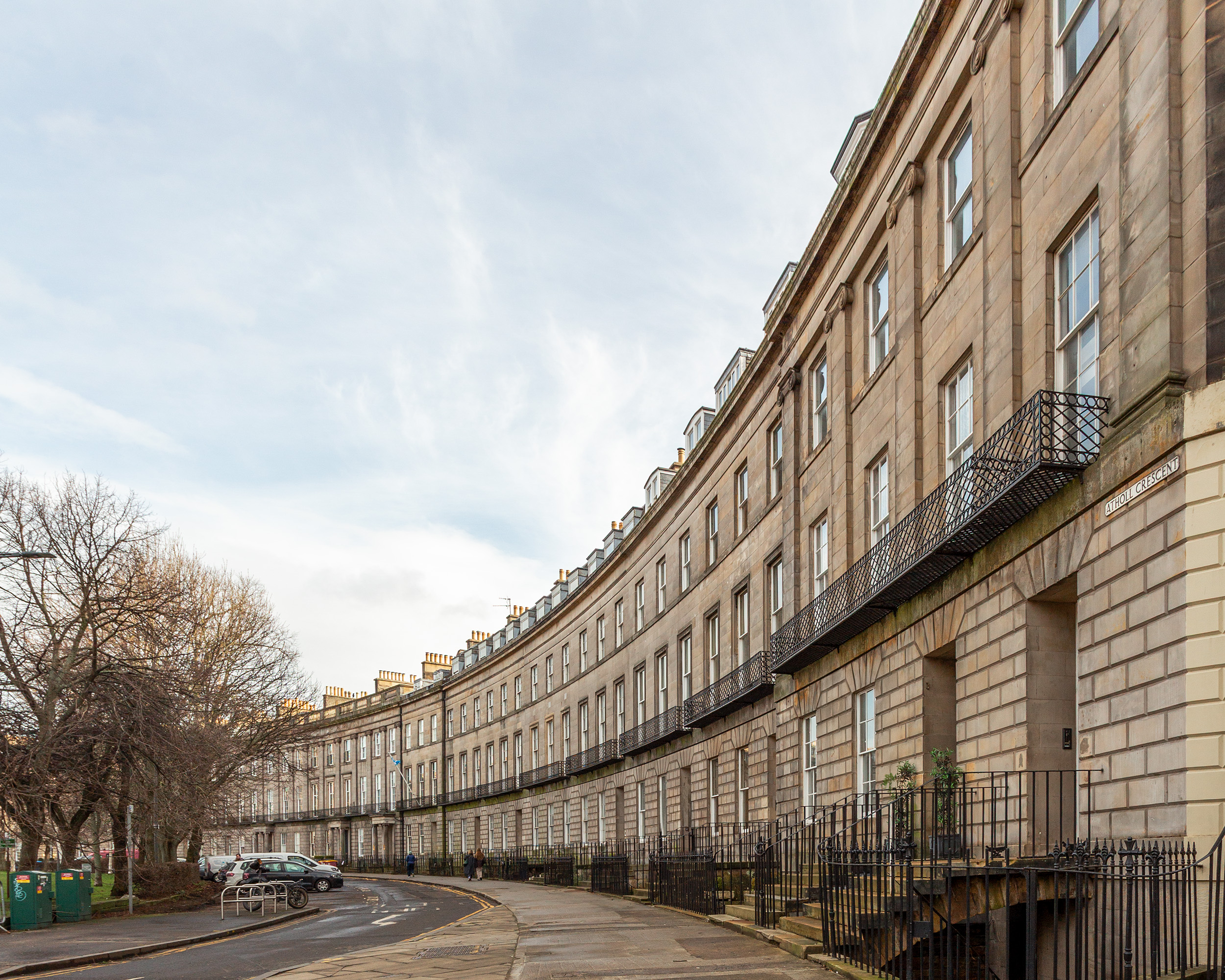
Atholl Crescent
By backing a 544-bed hostel and then denying its support, the heritage body has let down the very communities it exists to protect, writes Philip Flockhart.
Plans to convert A-listed Georgian townhouses on Atholl Crescent into a 544-bed capsule-style hostel have prompted dismay and disbelief across Edinburgh’s West End.
Residents are aghast at the scale of the proposed development and the cynical subversion of local democracy - with the applicant appealing to the Scottish Government before proposals reached the scrutiny of the council’s Development Management Sub Committee.

Local campaigners have been dealt a further blow, courtesy of the very body charged with defending the city’s UNESCO status.
Edinburgh World Heritage stood alone among heritage and community organisations in endorsing the scheme, despite almost 280 objections and detailed opposition from the Cockburn Association, the Architectural Heritage Society of Scotland and the West End Community Council.
That position did not emerge in a vacuum. Having acted on behalf of Atholl Crescent residents since October 2025, we shared our detailed objections in advance, setting out the concerns of the community and the wider implications of the scheme for this sensitive part of the World Heritage Site.
It was therefore deeply surprising when, upon publication of the appeal papers in January, its formal submission revealed that it found “the proposed use acceptable” and supported the applicant’s “heritage-led approach”.


That position placed EWH directly at odds with every other heritage and amenity body to comment. The Cockburn Association, the Architectural Heritage Society of Scotland and the West End Community Council all lodged detailed objections.
Given EWH’s importance as an advisory consultee within the planning system, we sought an explanation.
Its response correctly identified the development for what it is - a 544-bed dormitory-style hostel rather than the “hotel” described by the applicant - yet still dismissed concerns over the scale and density of occupation as a “management issue rather than a planning one”.
That distinction is difficult to accept. To suggest that the impact of 544 hostel guests in four Georgian townhouses can simply be “managed” by a commercial operator is naïve. More concerning still, it deprives an established residential community of the protections the planning process is supposed to provide.


Two months later, EWH began telling the press that it did not, in fact, “support” the scheme.
That claim is difficult to reconcile with the wording of its own submission. No reasonable reader would interpret the letter as anything other than supportive. Indeed, the City of Edinburgh Council itself referenced EWH’s support in its statement to the Scottish Government Reporter.
Yet despite publicly attempting to distance itself from its own position, EWH has made no clarification to the Reporter - the one person whose understanding of its stance actually matters.
That silence has persisted despite repeated invitations from us to clarify the matter formally. This is significant because EWH’s views carry weight. It remains the only organisation among hundreds of objectors to have expressed support, and it does so with the authority of formal heritage consultee status.
What makes this more difficult to understand is that EWH now appears to have changed its thinking elsewhere.
In its recent objection to a proposed apart-hotel development on Forth Street, EWH expressed concern about the impact of non-residential uses on listed buildings and residential amenity. It highlighted the need to consider alternative uses, “particularly housing”, and acknowledged the potential conflict between such developments and neighbouring residents.
That is precisely the consideration we asked it to apply to Atholl Crescent months ago. It resolutely declined to do so. When we wrote again recently, the response we received was a copy-and-paste of comments previously issued to the press, emblematic of the dismissive approach shown throughout this process.
Residents feel let down - not simply because EWH adopted an outlier position, but because it has consistently failed to engage meaningfully with the community affected by its advice.
While the organisation reportedly enjoyed an “informative and instructive” site visit with the developer’s representatives, it appears to have made no comparable effort to engage with Atholl Crescent residents or established local community bodies before reaching its conclusion.
That raises a wider question: what role does community engagement play in EWH’s decision-making? The organisation’s founding purpose was to help protect Edinburgh’s historic environment not merely as architecture, but as a living city, one whose historic buildings remain places to live, not simply assets to intensify for commercial gain.
That principle appears to have been forgotten here. There is still time for EWH to bring its position on Atholl Crescent into line with the more balanced approach it now appears to be taking elsewhere.
But if it wishes to restore confidence, it must do more than quietly shift position behind the scenes. It should acknowledge publicly that it got this wrong - and explain why the residents of Edinburgh’s West End were denied the consideration now apparently being afforded to others.
Because when an organisation charged with protecting the city’s heritage loses sight of the communities who live within it, it risks forgetting what that heritage is for.
Philip Flockhart is a director at Morris and Steedman Associates acting on behalf of residents of Atholl Crescent in relation to the proposed 544-bed hostel development and has been involved in representations concerning the application since October 2025.

Share this article:

Subscribe to our newsletter to not miss articles like this one:
 SUBSCRIBE

