



RIAS calls for brownfield exemptions to Scottish Building Safety Levy
 Reading time: 3 minutes
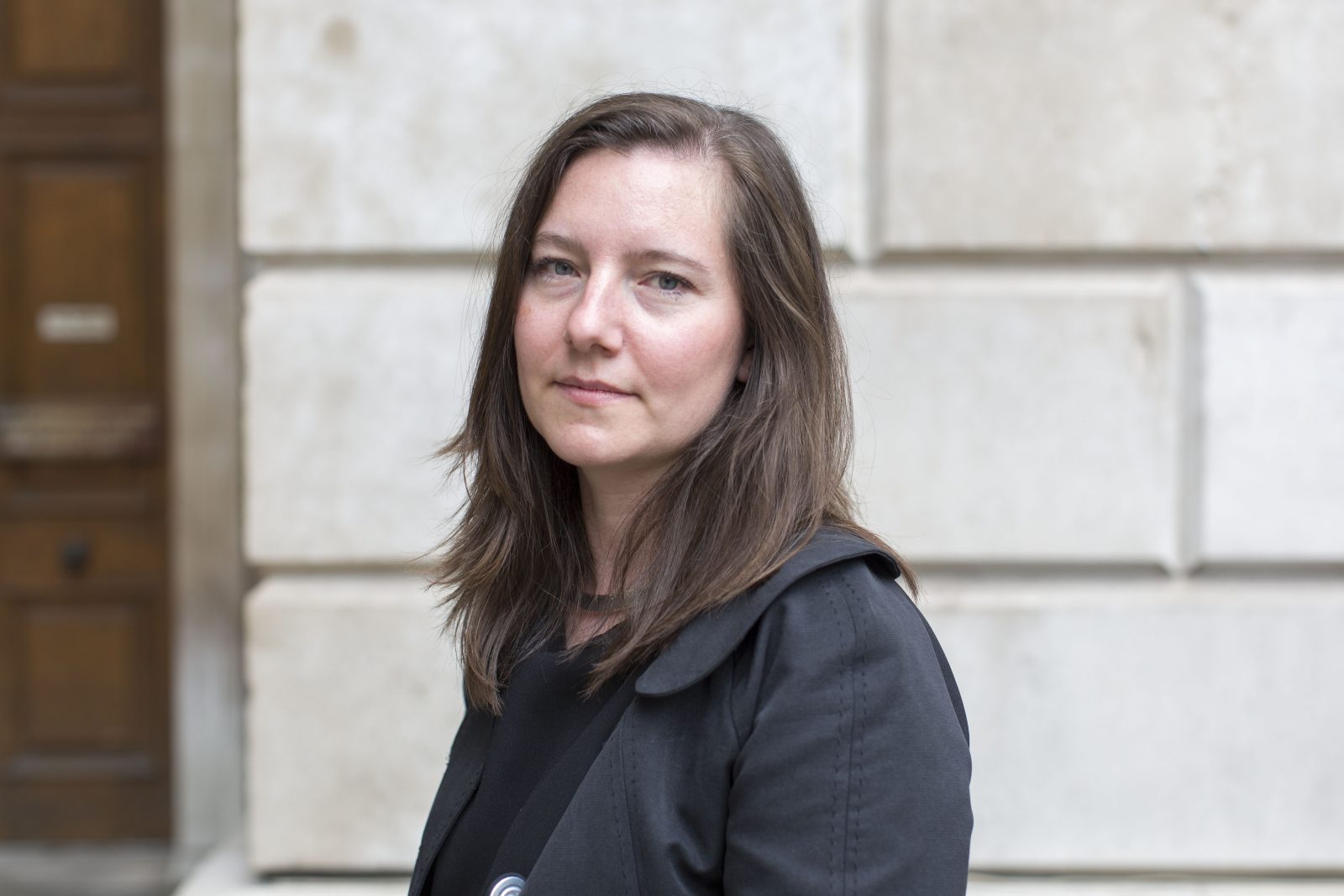
Tamsie Thomson
The Royal Incorporation of Architects in Scotland (RIAS) has urged the Scottish Government to ensure that the proposed Scottish Building Safety Levy does not inadvertently undermine housing delivery, regeneration and climate objectives.
In its response to the latest technical consultation, the RIAS said it supports efforts to secure funding for cladding remediation and improve building safety. However, the Incorporation warns that the levy risks adding further costs and challenges to residential development, at a time when the sector is already facing significant viability issues.
The RIAS argues that the strongest protection against such unintended consequences would be the introduction of 100% exemptions for qualifying brownfield developments and building conversion projects. Sites like this often already face being less financially attractive than new-build development, due to the impact of high associated costs, viability challenges, and the well-established tax disadvantage through VAT arrangements for conversion and reuse projects.
In its response, the RIAS argues that imposing the Building Safety Levy on these projects would compound this imbalance, potentially discouraging investment in the very developments that could progress Scotland’s net zero, circular economy and regeneration ambitions.
The RIAS highlights that full levy relief for brownfield regeneration sites, and for the reuse and conversions of residential and non-residential buildings would serve to prevent additional barriers and instead help to promote these forms of development as feasible options. This would support the delivery of much-needed new homes across different tenures, while reducing embodied carbon emissions, supporting town centre renewal and protecting Scotland’s built heritage.
The professional body has called on the Scottish Government to ensure that the levy framework aligns with wider national policy priorities and objectives, including the creation of affordable homes, climate commitments, regeneration and the efficient use of existing building stock.
Furthermore, the RIAS draws attention to the importance of a proportionate approach to the levy, which does not introduce a complex administrative burden. This has led the RIAS to seek greater clarity on Gross Internal Area (GIA) calculations, to understand professional responsibilities for architects and other built environment professionals, and ensure clear accountability for the preparation and verification of those calculations for levy purposes.

Tamsie Thomson, chief executive of the RIAS, said: “The RIAS recognises the importance of identifying a sustainable funding mechanism for cladding remediation and improving building safety. However, the design of the levy must not create unintended fiscal barriers to housing delivery, regeneration or the achievement of Scotland’s climate ambitions.
“Brownfield redevelopment and the conversion and reuse of existing buildings deliver some of the greatest public benefits of any form of development. Applying the Building Safety Levy to them would risk further discouraging investment in exactly the types of projects Scotland should be seeking to promote.
“For that reason, the RIAS believes a 100% exemption for qualifying brownfield developments and conversion projects is the only approach fully consistent with the Scottish Government’s ambitions for housing delivery, net zero, regeneration and sustainable place-making.”



Share this article:

Subscribe to our newsletter to not miss articles like this one:
 SUBSCRIBE


