




RIAS names special category award winners
 Reading time: 4 minutes
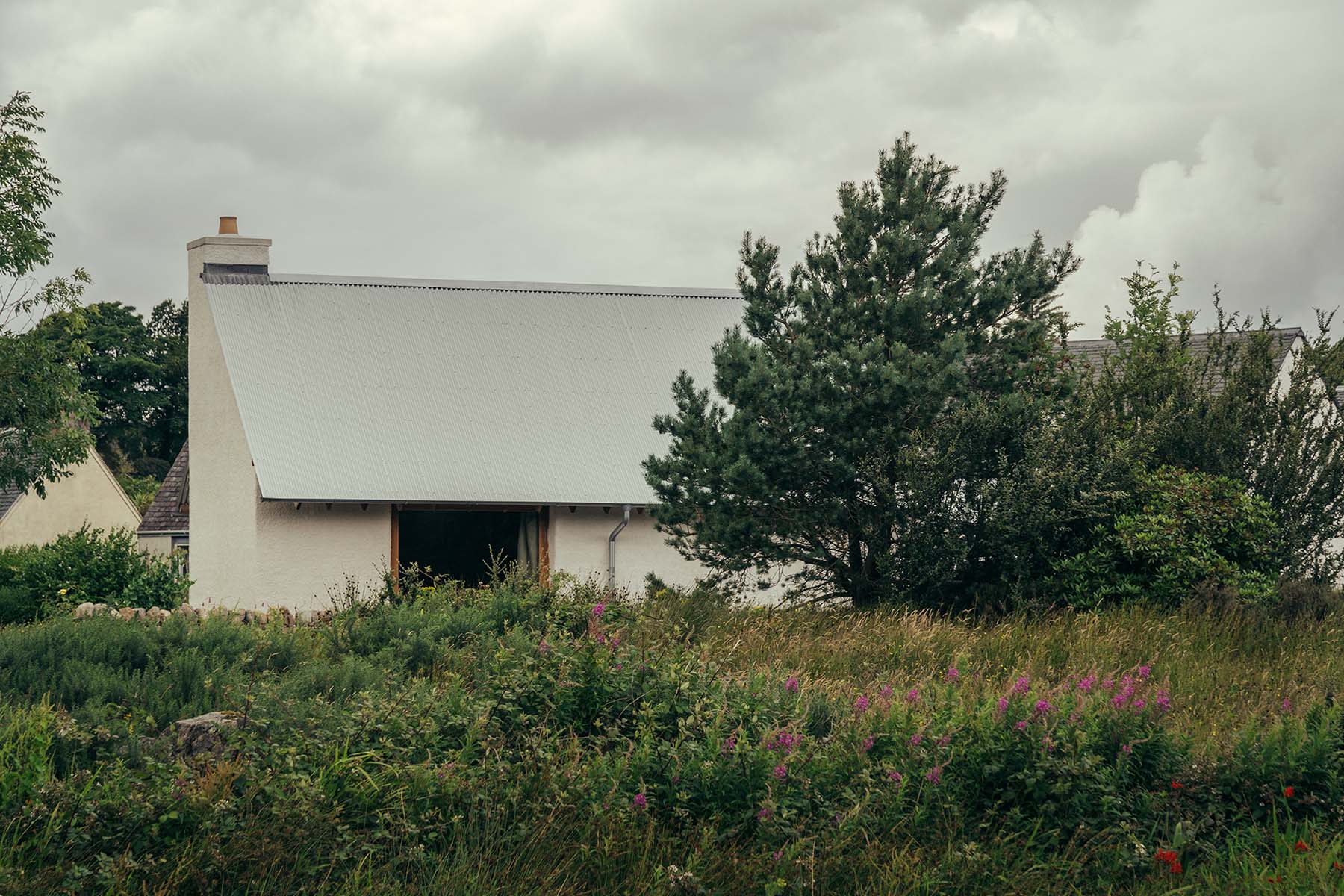
Iorram by Baillie Baillie Architects, (© Murray Orr)
The Royal Incorporation of Architects in Scotland (RIAS) has named its 2026 special category award winners.
The seven award winners are:
Sustainability award – sponsored by Luths Services


Iorram by Baillie Baillie Architects
Iorram is a new-build cottage in the Scottish Highlands. The building presented an environmentally-conscious quality, and the judges were particularly impressed by the “seamless” skylight above the bath area which was achieved through the positioning of timber frames. The jury also said that the house presents a good balance between “boldness” and “timelessness.”
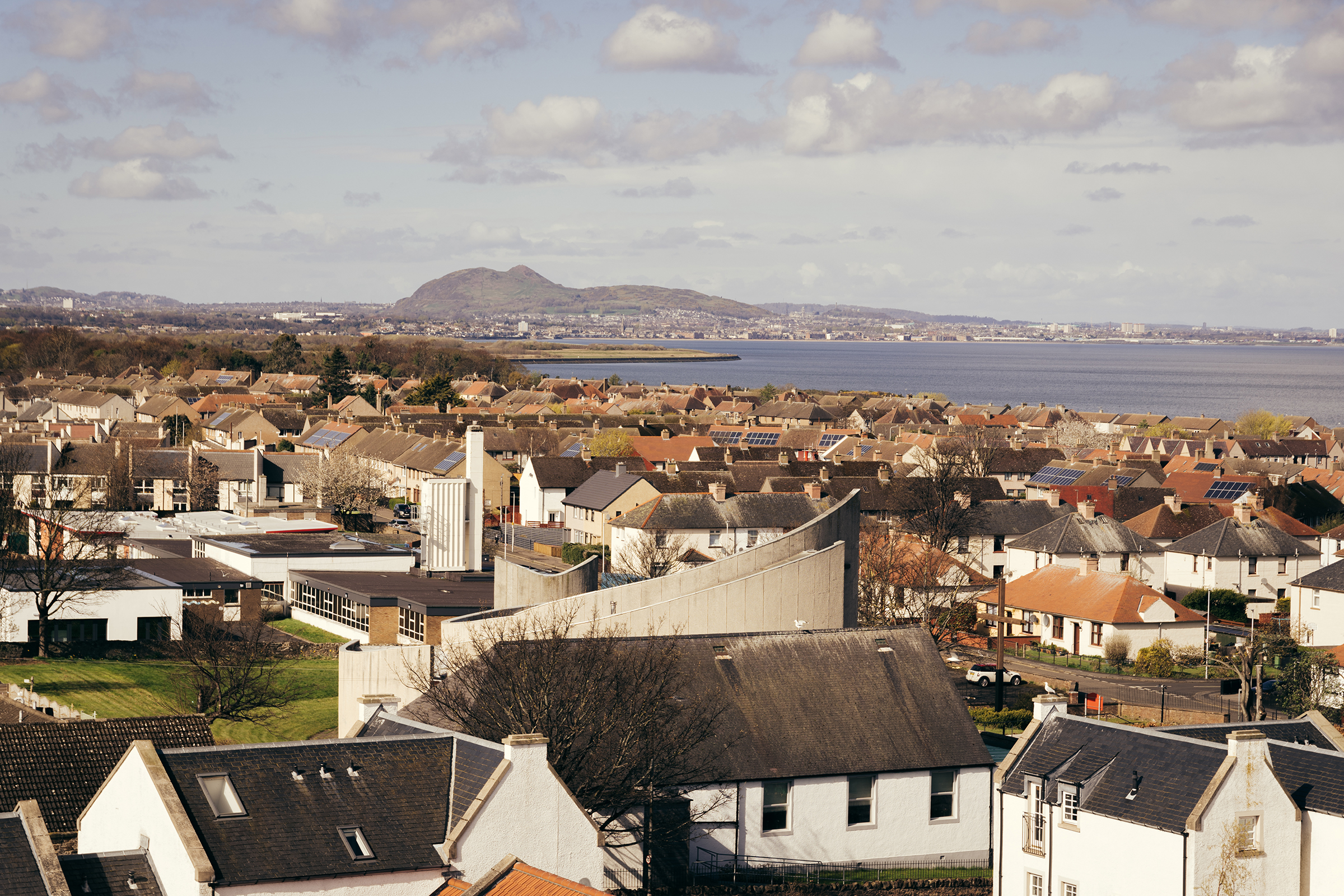
Preston Tower, Doocot & Gardens by GRAS, (© Murray Orr)
Project Architect award - sponsored by Equitone


Natasha Huq, GRAS for Preston Tower, Doocot and Gardens
The work at Preston Tower in East Lothian took the form of a careful restoration of a historic ruin located within a community garden. The judges said that at the beginning of the project, the tower’s condition had massively deteriorated but the restoration had given the tower its much-needed boost, including a new external staircase, allowing for access to higher storeys.
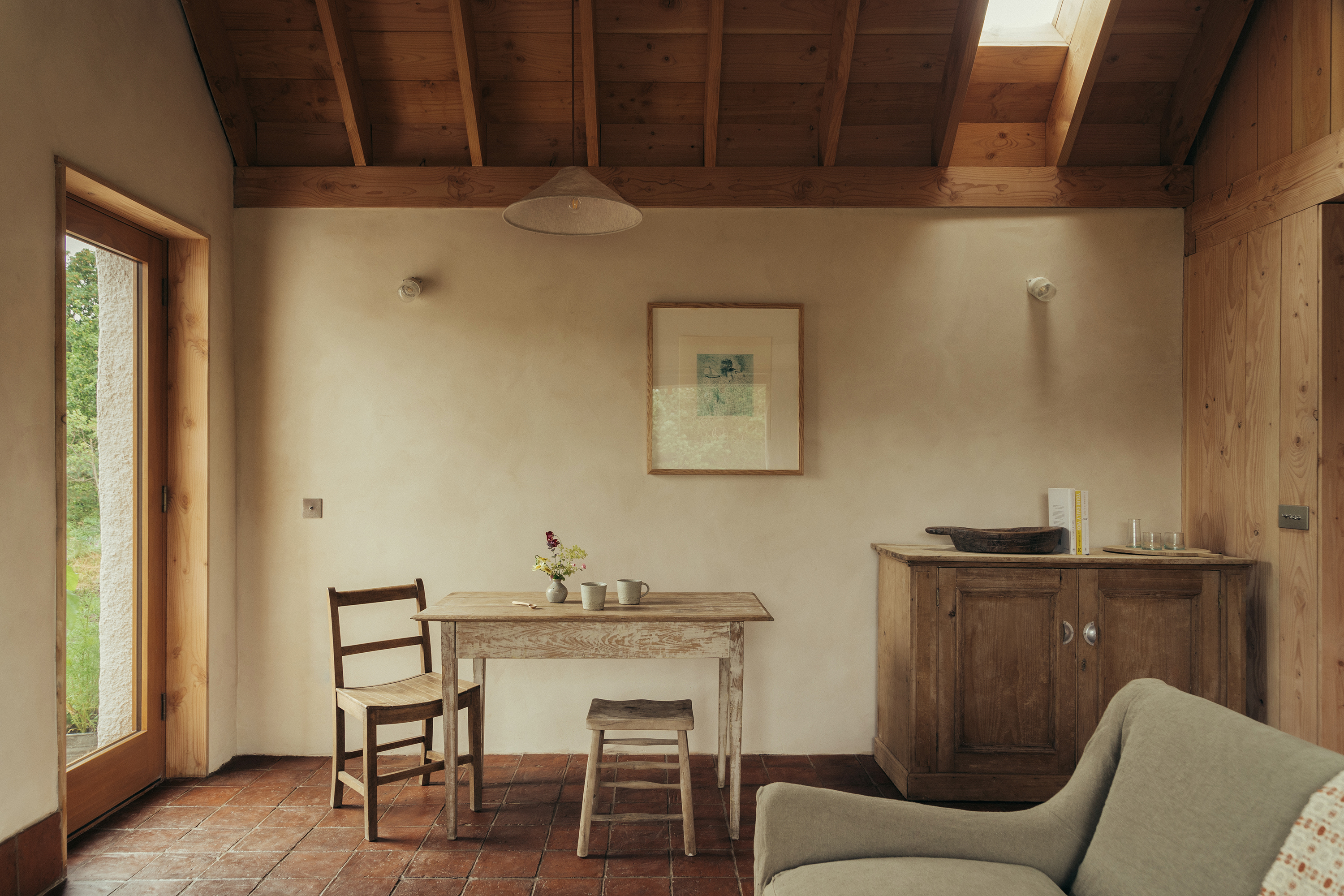
Iorram by Baillie Baillie Architects, (© Murray Orr)
Timber award - sponsored by CTI


Iorram by Baillie Baillie Architects
Iorram presented a noteworthy focus on the importance of materiality, with locally sourced Douglas Fir clay blocks, and traditional clay and lime harling being used in abundance. The jury appreciated the juxtaposition in the design. In response to the project, they said: “A grounded, heavy base contrasts elegantly with razor-sharp roof edges.”
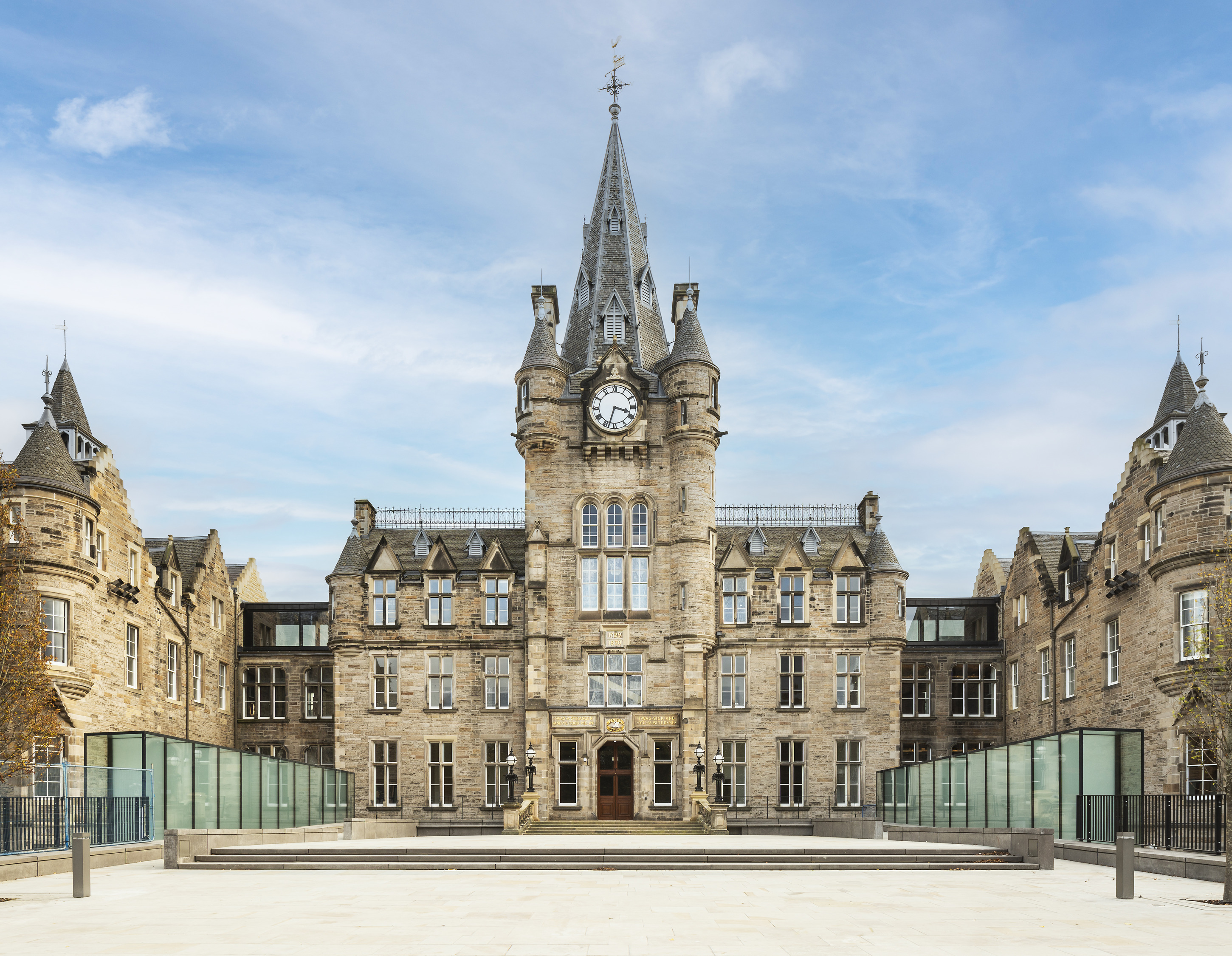
Edinburgh Futures Institute by Bennetts Associates, (© Keith Hunter)
Capital Innovation award - Sponsored by TCM
Edinburgh Futures Institute by Bennetts Associates
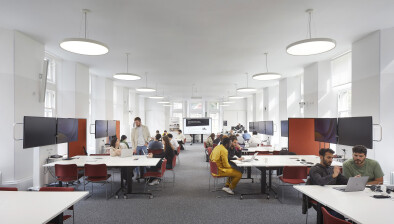
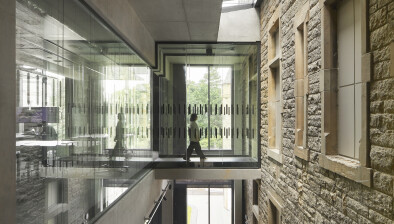
Edinburgh University’s Edinburgh Futures Institute was commended by the judges for introducing a new concrete structure alongside double volume “lanterns” which are positioned adjacent to a new conference wall.
Originally in a deteriorated condition, this Category A Listed Victorian infirmary building had seen structural problems and major dry rot. The building’s transformation has included major renovations, bringing harmony between old and new.
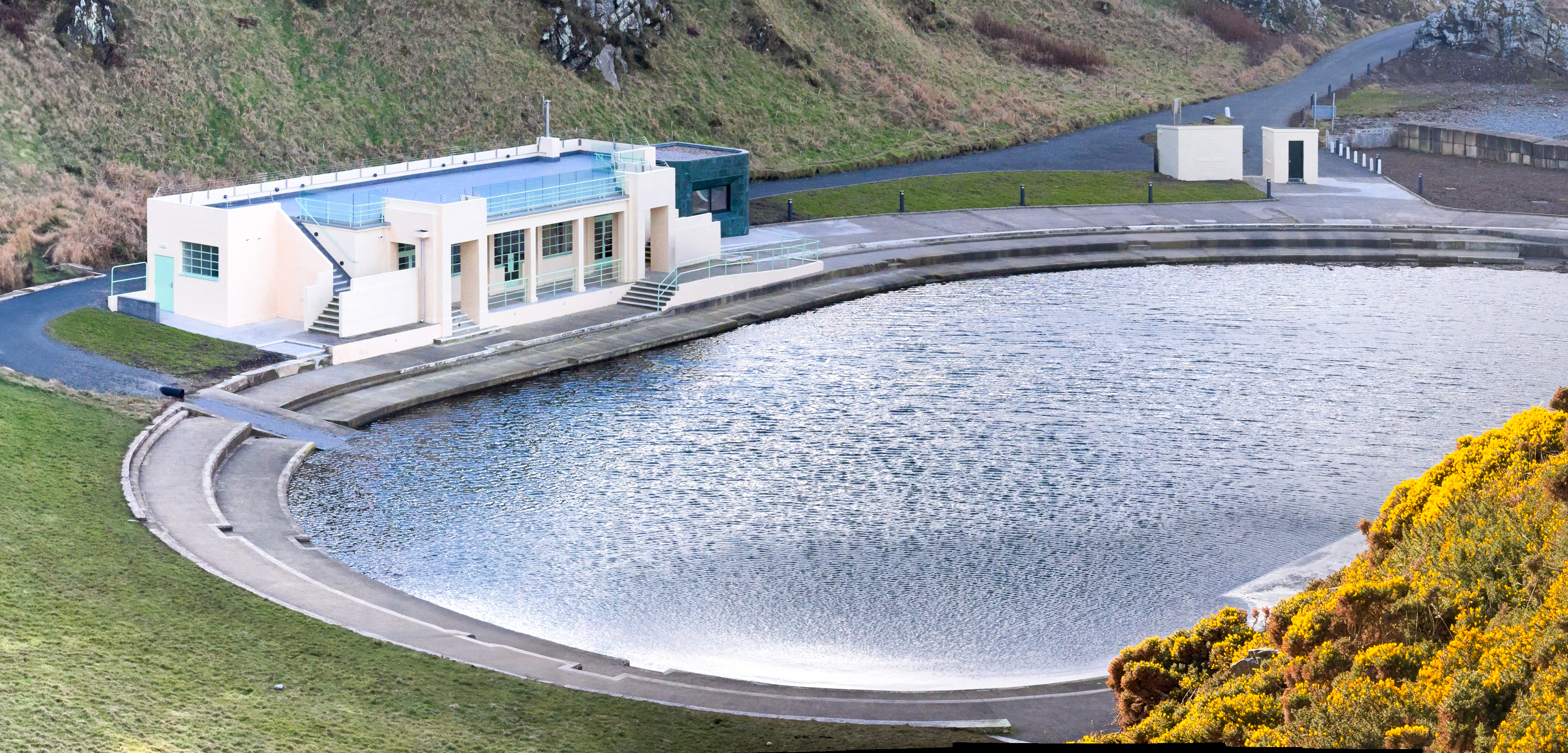
Tarlair Outdoor Pool Pavilion by Studio Octopi, (© Claire Meadows)
Client of the Year award - Sponsored by Gilmour & Aitkin
Friends of Tarlair Community Group for Tarlair Outdoor Pool Pavilion by Studio Octopi
The restoration of the Tarlair Outdoor Pool Pavilion in Macduff presented how thoughtful architecture can revive a historic site for the purpose of value for the community. The judges said that the internal upgrades had boosted comfort and usability, providing an end result of a building that is both “renewed” and familiar. They also said that the ongoing restoration of the deep-water and diving pools showed dedication to reviving the complex.
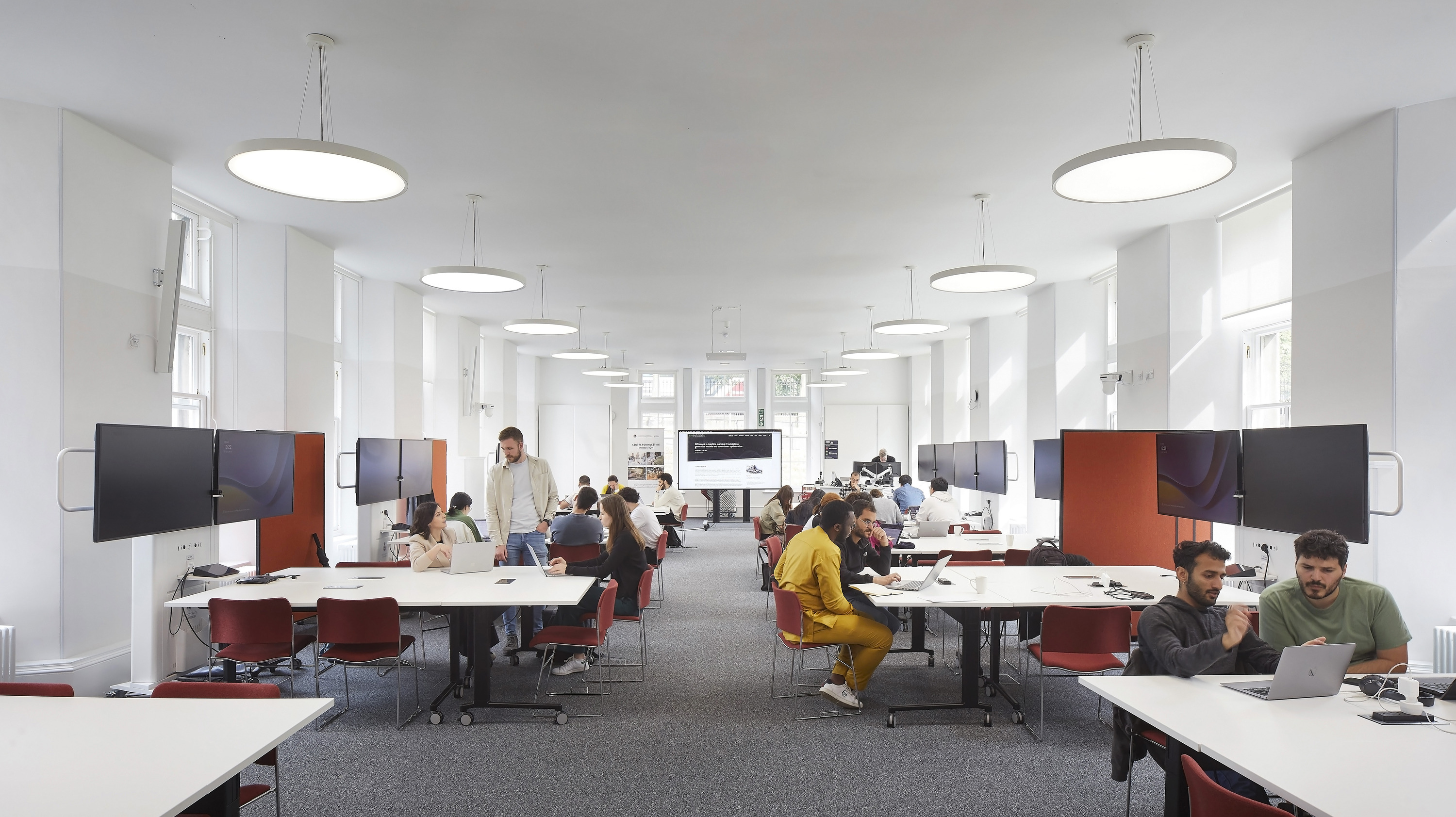
Edinburgh Futures Institute by Bennetts Associates, (© Hufton and Crow)
Architectural Interior award - sponsored by Laurence McIntosh
Edinburgh Futures Institute by Bennetts Associates
The interiors which formed part of the redesign of the building included new additions on both sides of corridors, such as spaces which can cater for different audience sizes including an event space underneath a new public square. Previously, the former infirmary had lengthy corridors and limited access spaces.
The judges described the institute as “a rare and compelling example of academic architecture that is spatially and materially rich.”
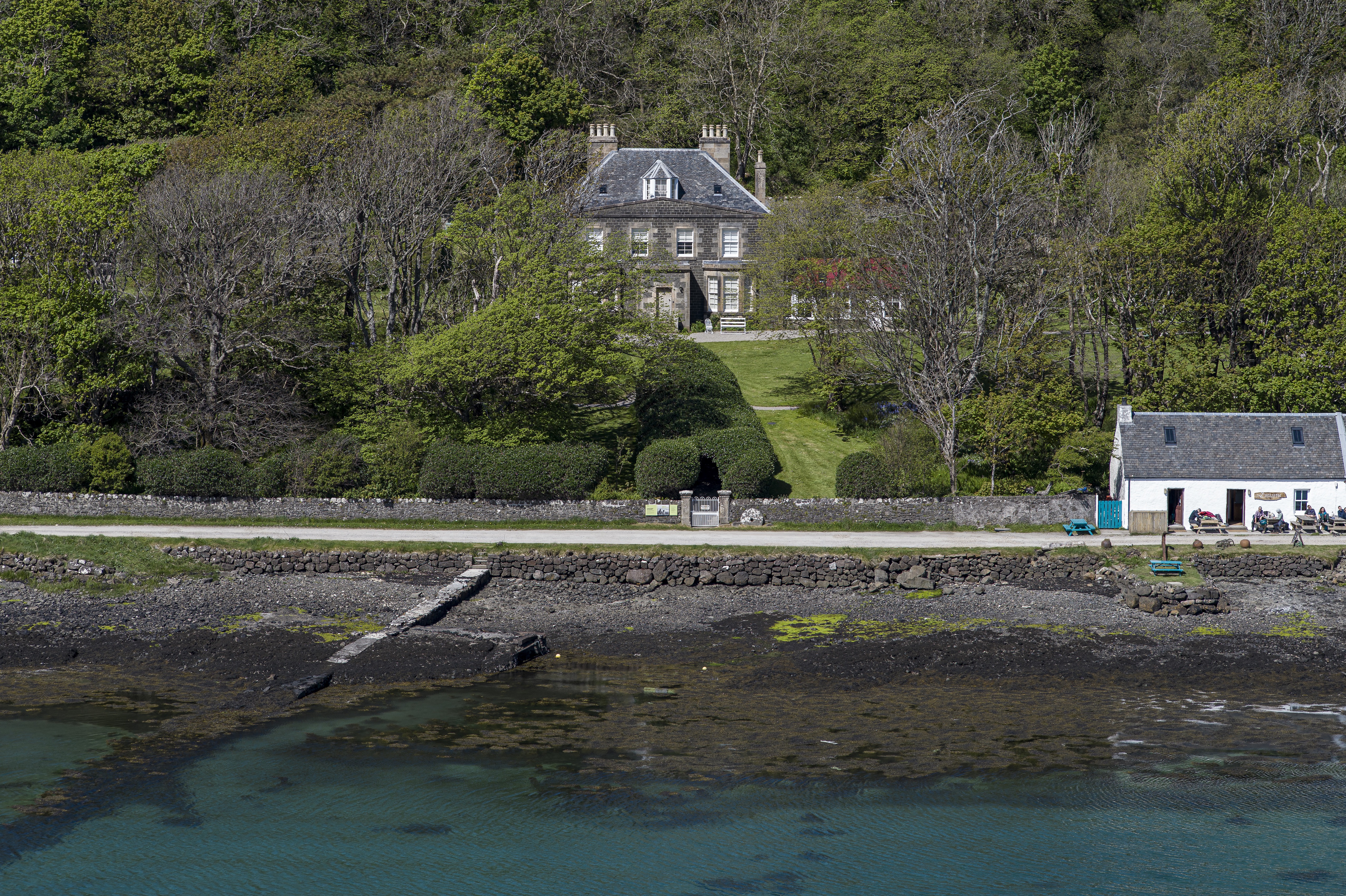
The Canna House Project for the National Trust for Scotland by LDN Architects, (© Steven Gourlay)
Architectural Heritage award - Sponsored by VELUX
The Canna House Project by LDN Architects
Constructed in approximately 1865, the Category B listed building, located in the Isle of Canna, was the home of John Lorne Campbell and Margaret Fay Shaw for over six decades and is home to a major collection of Gaelic culture. In 1981, the house and the island was gifted to the National Trust.
The project maintained a balance between intervention and conservation, with photographic and research evidence being employed to restore the appearance of the house to its twentieth century golden era. Around 50,000 artefacts were removed and catalogued before construction started.
The judges said that the “project required both technical rigour and curatorial sensitivity.”
Tamsie Thomson, chief executive of the Royal Incorporation of Architects in Scotland, said: “These special awards are an important element of the annual RIAS Awards. Whether recognising the key contributions of project architects-often architects in the early stages of their career - or buildings that push boundaries in terms of innovation, sustainability or the use of materials, the RIAS special awards allow us to focus on the key aspects and people who have made extraordinary buildings possible.
“We are able to make these awards thanks to the generosity of our sponsors, and we are extremely grateful to them for their hugely valuable support.”

Share this article:

Subscribe to our newsletter to not miss articles like this one:
 SUBSCRIBE