



Robert Bennett: Ensuring your supply chain is CSR compliant has become a commercial necessity
 Reading time: 7 minutes
Robert Bennett
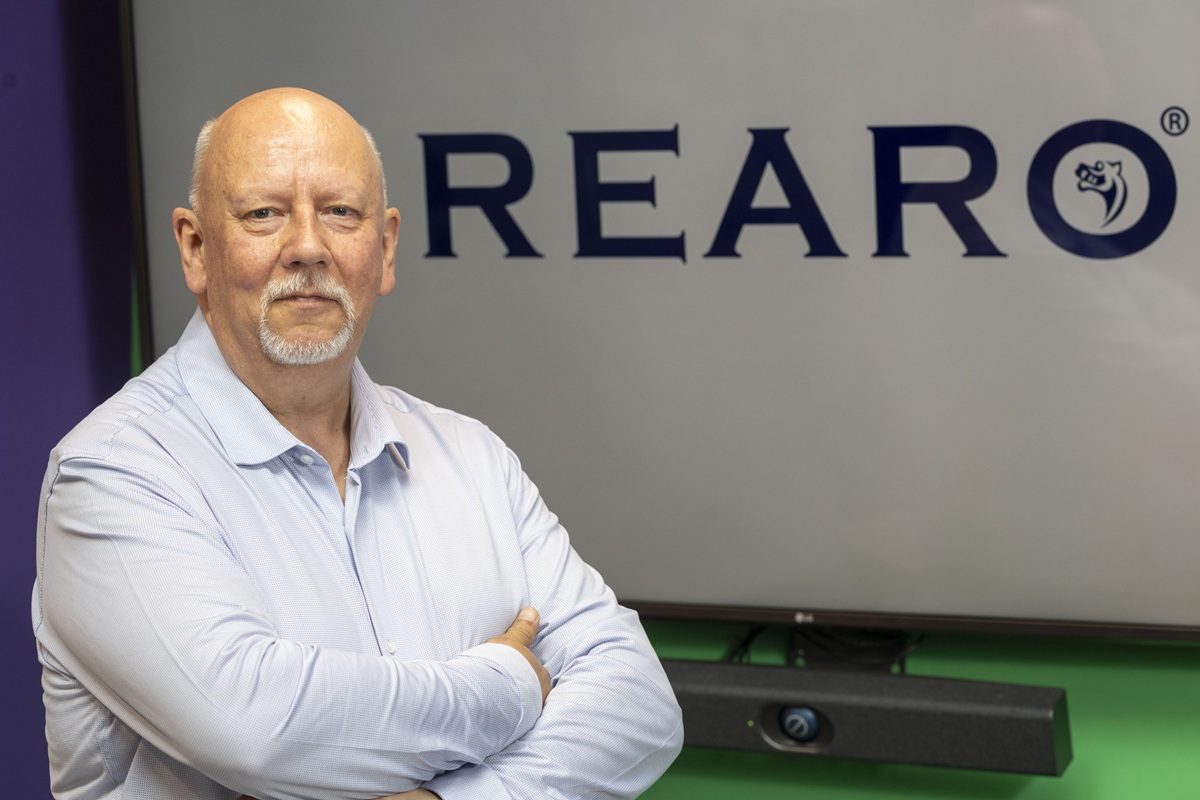
Robert Bennett, head of sales and marketing for bathroom and kitchen surfaces supplier Rearo, argues that public and private sector tendering processes are now governed as much by social and ethical considerations as by financial and commercial, and that this applies across a company’s entire supply chain.
It is not so long ago that the most successful manufacturing suppliers were also the most competitive, efficient, and cost-effective. In the Darwinian world of commercial procurement, success bred success.
It became a self-fulfilling prophecy that companies likely to win the most lucrative competitive tenders were those with a history of winning the most lucrative competitive tenders.

But times have changed and, as society’s priorities have shifted – mainly for the better, – so too has the definition of value in the construction industry, as well as in the wider economy.
Success is no longer determined solely by financial factors like price per unit, sheet size, or lead time. It is now also about the values of a company, the way it treats its customers, staff and suppliers, and its contribution to creating a better and more caring world.
Corporate Social Responsibility (CSR) has evolved from being a peripheral, charitable afterthought to becoming a core pillar of a company’s worth.
Supply chain responsibilities
And it’s not just what happens in the company’s boardroom or shop floor that matters – CSR is measured across its entire supply chain, meaning that it must assume responsibility for what happens in other parts of the country, or even on the other side of the world.


Responsibility cannot stop at the factory gate. A company can have the most ethical internal practices, but if its supply chain is opaque or unethical, it remains vulnerable.
The globalised nature of manufacturing means that a firm’s environmental and social footprint is often most deeply imprinted upstream. For a company like Rearo, this transformation has meant embedding genuine social responsibility into the company’s own operations and ensuring those same principles are upheld across a globalised supply chain.
For Rearo, this reality was thrust into sharp focus by geopolitical forces that, in the past, may have seemed remote and peripheral.
For years, the company sourced its core raw material, birch plywood, from Russia. The invasion of Ukraine and the ensuing sanctions created an immediate logistical crisis but also presented a profound ethical and strategic dilemma.


By acting quickly and decisively, we turned this disruption into a catalyst for positive change. Forced to revise our supply chain, we opted not just for a new supplier, but for an entirely new kind of partner, and a more sustainable material.
By switching the bulk of our raw material sourcing from Russia to Medite Smartply in Ireland – a producer of FSC-certified exterior grade MDF from sustainably managed forests – we achieved multiple CSR objectives simultaneously.
By severing ties with a region mired in conflict, we aligned our operations with broader ethical principles, drastically reducing our carbon footprint by shortening a key supply route from thousands of miles to hundreds.
In doing so, we embraced a product line that utilises wood residuals and sawmill co-products, enhancing resource efficiency.
This move wasn’t just a logistical fix, but rather it was a strategic realignment of our supply chain CSR values and those of our customers. Our actions demonstrated that supply chain management is now a central plank of our CSR strategy, where ethical and environmental due diligence is as crucial as cost and quality checks.
CSR should be a priority, not a footnote
Why should this matter? While taking a fairer and more honourable approach might place us on the right side of the ethical divide, as a business we have a commercial imperative to be profitable, to ensure that we can continue to provide employment for dozens of people, and to make a positive contribution to the Exchequer and the wider UK economy.
However, we have come to realise that, in the modern world, taking seriously our corporate social responsibilities, is essential to ensure that we continue to thrive commercially.
A recent tender document for a significant public sector contract we hoped to win comprised five substantial sections, only three of which were relevant to actual product and pricing.
The rest concerned what would, in the past have been regarded as secondary issues, including environmental certification, diversity statements, and a commitment to combatting modern slavery practices, as well as health and safety policies.
This weighting reflects a profound change in procurement philosophy. Public bodies, corporations, and housing associations are not just buying a product, they are buying into a supplier’s ethics, environmental stewardship, and community impact.
They want partners who share their values, and who can help them meet their own ESG (Environmental, Social, and Governance) targets.
Activities like Rearo’s annual Christmas Toy Appeal – and our ongoing efforts to support local schools and colleges – are not merely altruistic, they help us to build a verifiable CSR profile, and to make us tender ready.
Integrating CSR into your business DNA
This cultural shift, from seeing CSR as an optional charitable extra to viewing it as operational necessity, requires buy-in from everyone in a company or organisation. It must become a core business strategy, intersecting with risk management, brand reputation, talent acquisition, and operational efficiency.
Proactively paying above the minimum wage is itself a social responsibility, fostering loyalty and investing in the future workforce. This internal ethic complements external community engagement, such as supporting local schools. Together, we can build a cohesive narrative for our company’s investment in its people and local area which, in turn, attracts talent seeking employers with purpose.
Initiatives like investing in energy-efficient machinery, or moving towards a paperless office, help to reduce a company’s environmental impact while also cutting long-term operational costs.
As customers, particularly in sectors like fast food with ambitious net-zero targets, seek carbon-neutral partners, a manufacturer’s environmental performance becomes a direct enabler of sales.
Certifications like FSC/PEFC, or audited waste management statistics, provide the objective proof that tender committees demand, providing companines with essential third-party validation.
They transform subjective claims into scored points, building trust with stakeholders from investors to end-consumers who are increasingly making choices based on verified sustainable and ethical credentials.
The responsible business
For UK manufacturers, the message is clear, CSR is no longer a sidebar in the annual report. Rather, it is a comprehensive framework that encompasses how you treat your staff, engage with your community, manage your environmental impact, as well as how you choose to do business across the globe.
Pressure comes from everyone involved, from those who score tender documents to consumers, B2B clients and investors, as well as, importantly, from a new generation of socially conscious employees who demand it.
Our experience – from recalibrating our supply chain in response to a war, to adapting our practices to meet the demands of tender requirements – illustrates the journey that all modern manufacturers must travel.
It is a path from seeing CSR as a cost centre or a charitable exercise to recognising it as a source of resilience, innovation, and competitive advantage.

Share this article:

Subscribe to our newsletter to not miss articles like this one:
 SUBSCRIBE