






Smith Scott Mullan transitions to employee ownership
 Reading time: 2 minutes
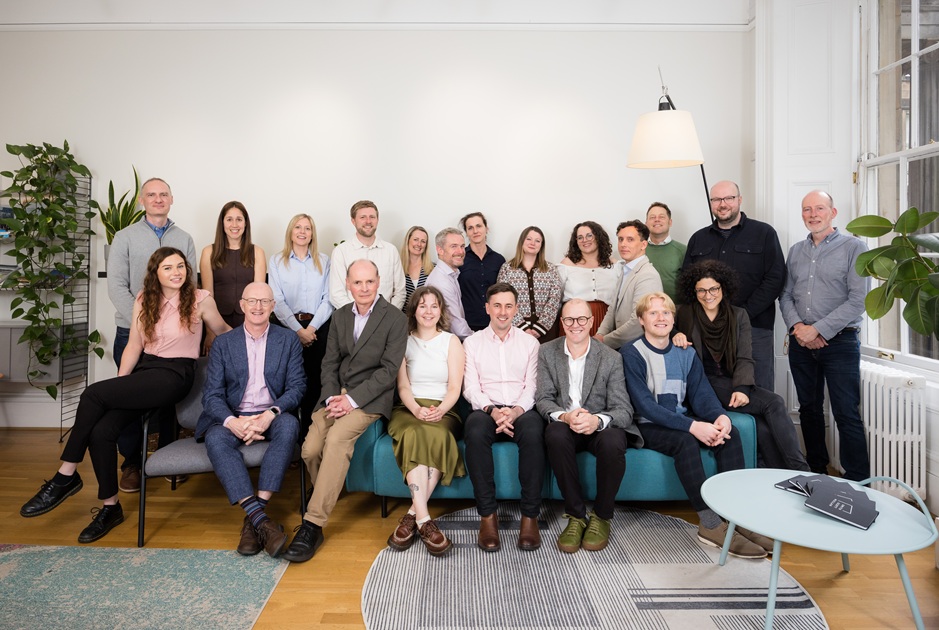
Architectural practice Smith Scott Mullan will officially transition to employee ownership from today, with owners Graham Acheson, Eugene Mullan and Rick McCluggage transferring their shares to an Employee Ownership Trust (EOT).
For Smith Scott Mullan, the transition to employee ownership reflects a proactive and responsible approach to succession, ensuring continuity of leadership, service and relationships, while positioning the business for continued success.
The firm has built a strong culture and reputation over the last three decades, delivering projects across a range of sectors while maintaining a focus on quality, collaboration and integrity. The transition to employee ownership creates opportunities for the wider team to develop, progress and shape the future of the business, as well as rewarding employees for their loyal service. This transition is a planned and responsible approach which will ensure continuity and support long term sustainability.


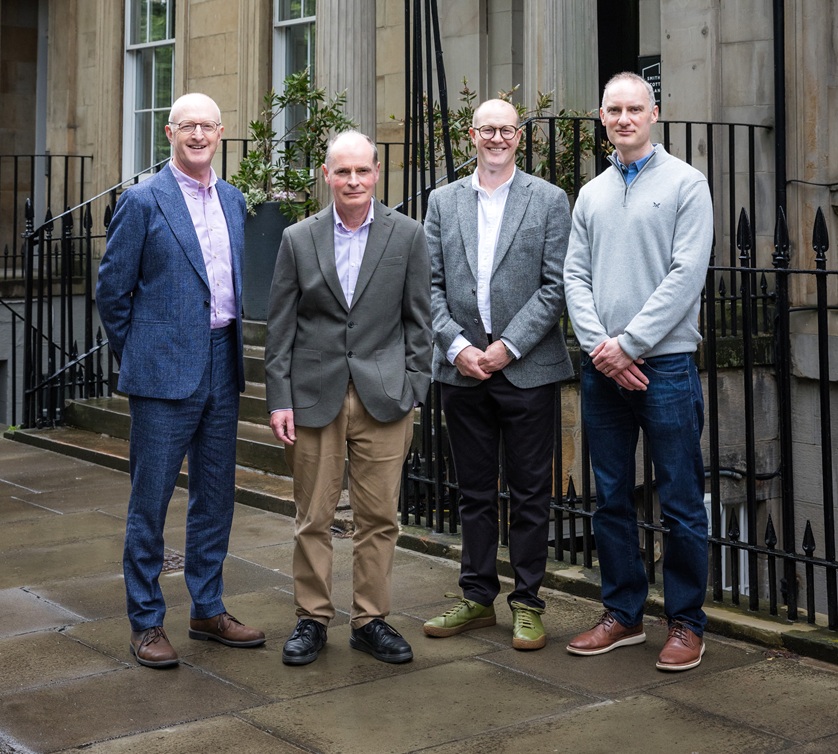
(from left) Smith Scott Mullan directors Eugene Mullan, Jamie Bateman, Rick McCluggage & Graham Acheson
There will be no change to the way the practice operates with clients. The same leadership team, project teams and client relationships remain in place, and the business will continue to operate under the Smith Scott Mullan name from its existing base at Rutland Square in Edinburgh.
Announcing the decision, Smith Scott Mullan directors said: “We are all incredibly proud of the culture and reputation we have built over the last 30 years, and this transition is about protecting that for the future.
“Employee ownership is the right step for us. It allows us to remain independent, maintain the values that define how we work, and provide long-term stability for our clients and our team. It also creates new opportunities for our people, recognising their contribution and giving them a meaningful role in the future of the business.


“The move provides a clear succession pathway for the practice, supporting a smooth transition over time while retaining knowledge and experience, and ensuring the business continues to grow and evolve in the years ahead.”



Share this article:

Subscribe to our newsletter to not miss articles like this one:
 SUBSCRIBE

