





Trio of funders back emergency heritage rescue at Bannockburn House
 Reading time: 5 minutes
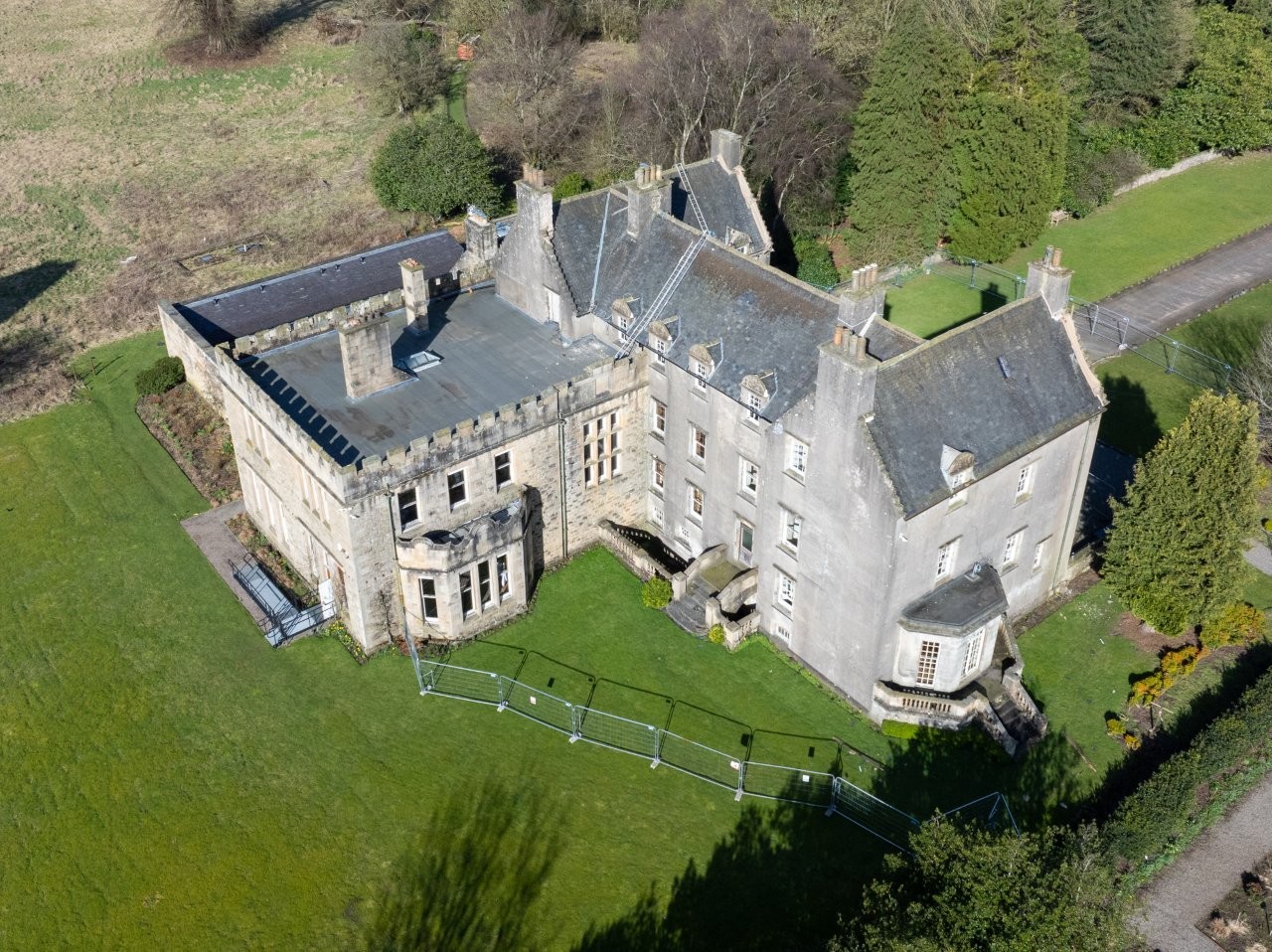
Good news really does come in threes for the community campaign dedicated to saving one of Scotland’s most historic homes.
Three major national funders have announced support of £197,556, £77,876 and £50,000 for vital repairs at Bannockburn House in Stirlingshire. The funding marks the initial emergency phase of what is expected to become one of the largest heritage conservation and restoration programmes ever undertaken by a community charity in Scotland.
Bannockburn House Trust recently published new evidence of a failed attempt to assassinate Bonnie Prince Charlie after finding a musket ball hole in wall panelling and an 18th century pistol ball embedded in part of the bedframe. These recent findings highlight the category A listed 17th century mansion’s historical importance and its strong connections to the Jacobite Era and tartan.


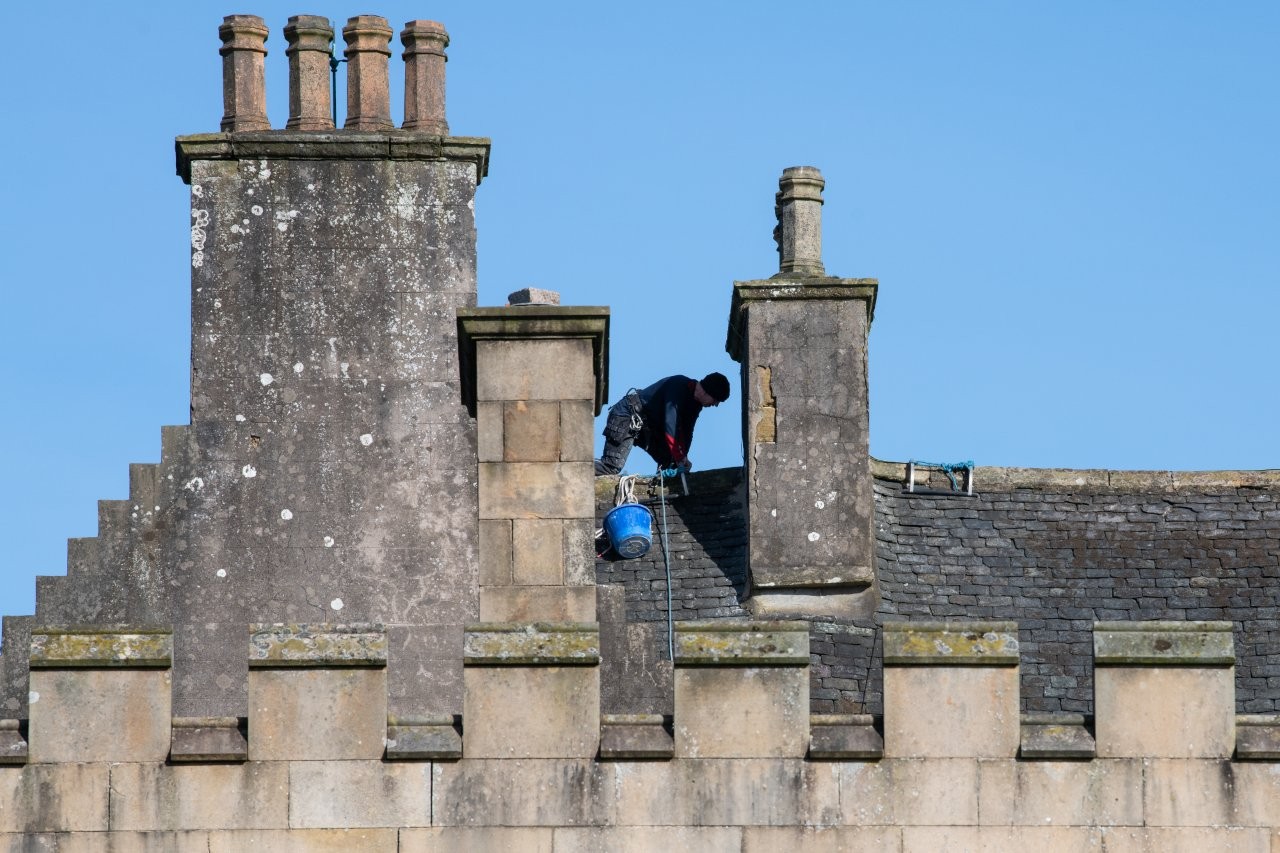
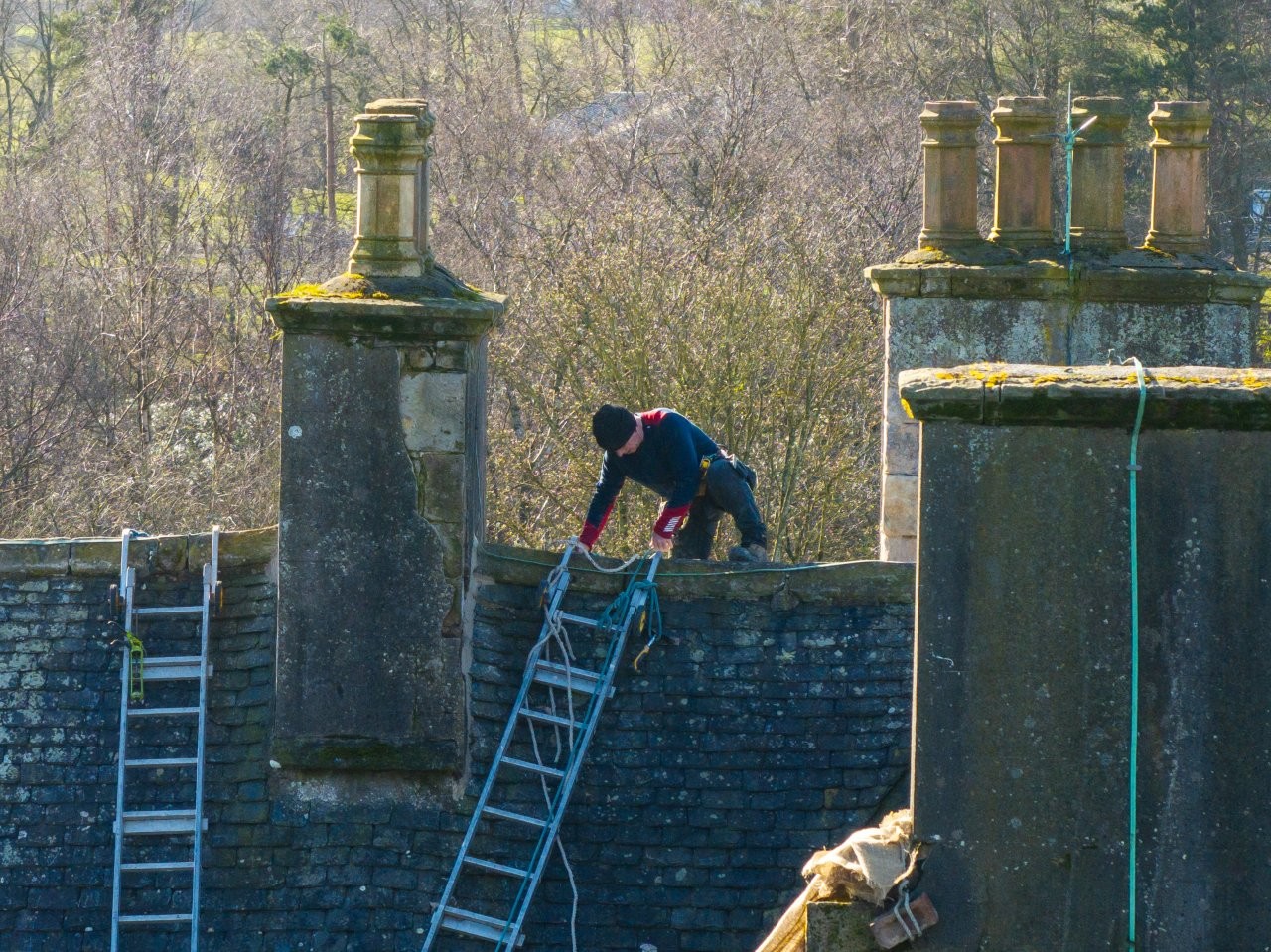
The initial two-phase emergency works programme now underway will halt further deterioration of the building at a critical moment and prevent further loss of its historic fabric. Decades of leaks and recent structural movement called for urgent intervention to protect the building and interiors that include one of Britian’s rarest ornate plasterwork ceilings and original timber roof.
The critical funding support of £325,432 was awarded by:
• The National Lottery Heritage Fund, £197,556 (for stonework stabilisation)
• National Heritage Memorial Fund, £77,876 (for ornate plasterwork stabilisation)
• Historic Environment Scotland, £50,000 (for roof stabilisation and waterproofing)


Malcolm McEwan, chair of the board of trustees at Bannockburn House Trust, said: “This support marks a crucial turning point for Bannockburn House. The building contains an extraordinary concentration of historic fabric that has survived in remarkably original condition, but it had reached a point where urgent intervention was needed to save it.
“Thanks to the support of The National Lottery Heritage Fund, Historic Environment Scotland and the National Heritage Memorial Fund, we can now stabilise the building and begin saving some of its most remarkable features.”
The emergency works supported by The National Lottery Heritage Fund and Historic Environment Scotland will focus on stabilising vulnerable masonry, timber, and structural elements, helping to make the building wind and watertight while protecting its rare interiors.
The National Heritage Memorial Fund will support conservation of the Blue Room ceiling, one of the most significant features inside the house. The ceiling is thought to be the work of plasterers Houlbert and Dunsterfield, the same artisans who created similar ceilings in Holyrood Palace in the last quarter of the 17th century.


The decorative “Blue Room” plaster ceiling survives in its original historic condition with no modern structural intervention, making it an exceptionally rare survival.
Simon Thurley, chair of the National Heritage Memorial Fund, said: “We are delighted to support the community-led rescue of Bannockburn House. Our investment will help save the beautiful and important Blue Room Ceiling, one of the jewels of the mansion.
“The Memorial Fund exists to save the UK’s most outstanding heritage and make it publicly accessible, in memory of those who have given their lives for the UK. We are delighted to count Bannockburn House’s Blue Ceiling as part of the growing and timeless collection of UK heritage that belongs to all of us forever.”
In addition to funding, HES is supporting this project with expert advice and support from the conservation specialists who work in its grants team. The project is supported by a wide network of heritage professionals working alongside the Bannockburn House Trust.
Dr Susan O’Connor, head of grants at HES, said, “The emergency interim works at Bannockburn House represent an important moment for one of Scotland’s most significant historic buildings. The scale of original material that survives here is exceptional, and the risks identified in recent surveys made clear that immediate action was needed to protect it.
“What is particularly inspiring is the strength of the community’s commitment to the house. This project demonstrates what can be achieved when local people take the lead in caring for their heritage, and HES is pleased to offer support for this first phase through funding and specialist advice from our conservation experts.
“The Trust have taken an exemplary approach that is led by careful and thorough understanding of the building fabric and have involved us throughout the process. The work now being carried out will provide a strong foundation as the Trust develops its long-term plans for this remarkable place.”
Investigations undertaken during early surveys have already begun revealing new insights into the building’s history. The northwest gable, believed to be among the oldest surviving parts of the house, has historic timber panelling bearing protective “witch marks” and traces of historic painted decoration that are only now beginning to be studied.
Beyond stabilising the house, the programme will also support new research into Bannockburn House. Despite its architectural significance, the building has never been the subject of a comprehensive modern study, meaning that conservation work is now revealing new information about its construction, decoration, and development over time.
The current works represent the first phase of a long-term conservation and restoration programme that Bannockburn House Trust estimates could exceed £20 million in total investment over time.
The Trust’s vision is to conserve Bannockburn House as a nationally significant historic site while developing it as a centre for research, heritage skills and public engagement.

Share this article:

Subscribe to our newsletter to not miss articles like this one:
 SUBSCRIBE