







University of St Andrews gets green light for £142m ‘New College’
 Reading time: 3 minutes
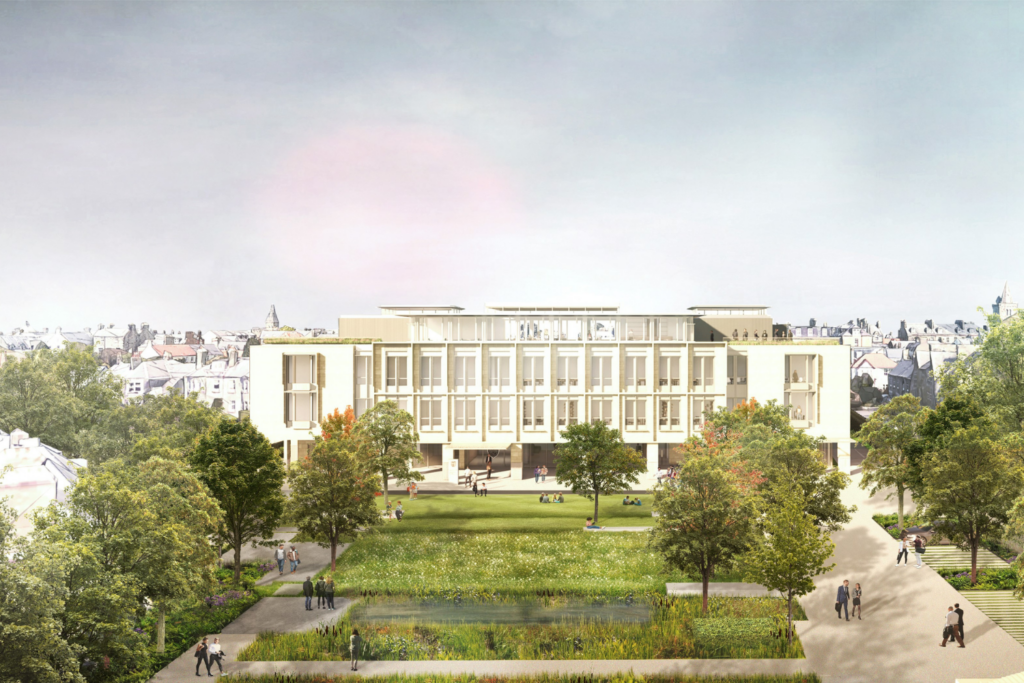
Plans by the University of St Andrews to redevelop one of the town’s most significant heritage sites have taken a major step forward, with Fife Council granting planning permission for the £142 million New College project.
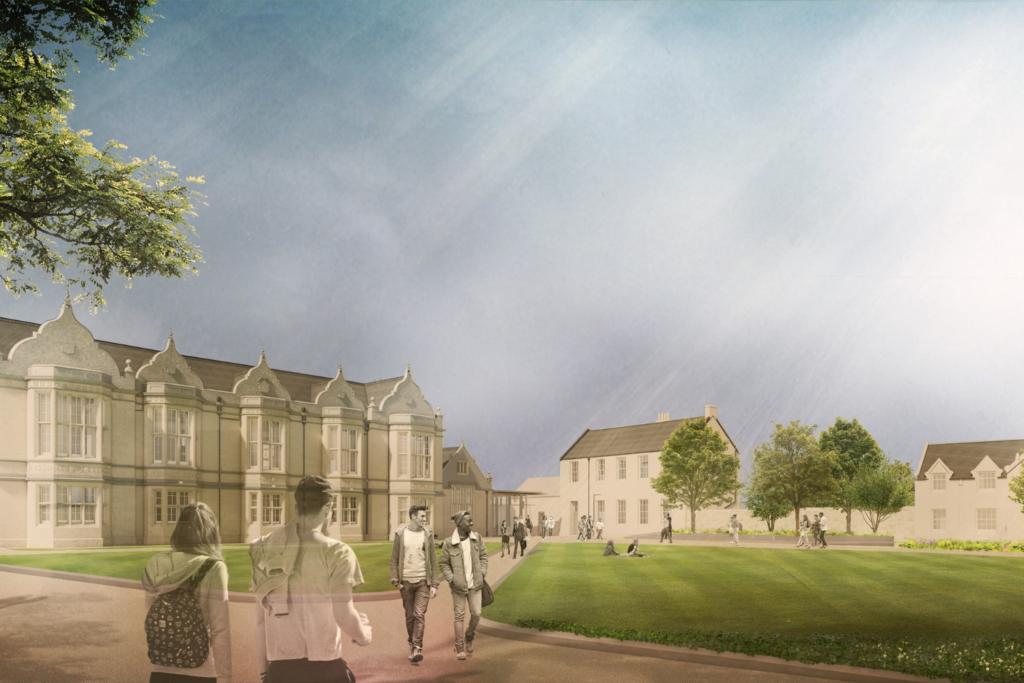
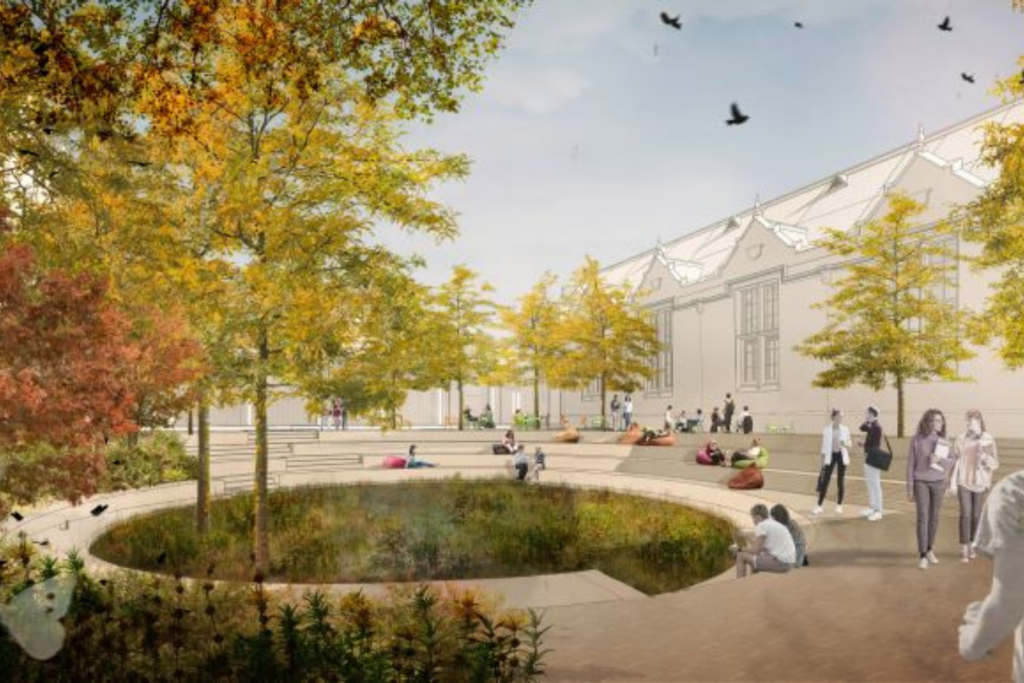
The redevelopment of the former Madras College building on South Street will create a new home for the University’s School of International Relations and the new St Andrews Business School. Designed to foster interdisciplinary learning and innovation, the development will bring together historic renovation and contemporary new buildings to provide flexible, collaborative spaces for students, academics, and the wider community.
Working closely with architect WilkinsonEyre, Buro Happold is delivering a fully integrated suite of services, including building services engineering, civil and structural engineering, sustainability consultancy, fire engineering, acoustics, transport planning, environmental consulting, facade engineering, and specialist lighting design.


Director Sam Haston said Buro Happold’s multi-disciplinary approach enables close coordination of building performance, comfort, and constructability throughout every stage of design and delivery.
“We are delighted to collaborate with the University of St Andrews and project partners to bring this transformative vision to life,” added Sam.
“With a sustainability-focused design, New College represents a unique opportunity to celebrate St Andrews’ rich heritage while creating a forward-looking environment that inspires innovation, fosters collaboration, and supports world-leading research and learning.”


University Principal Professor Dame Sally Mapstone, who is spearheading the project, said: “I am very pleased the plan has been approved; the former Madras College secondary school building has a very special place in the hearts of so many members of the St Andrews and North East Fife community, as well as our global alumni and donor network, and we are very grateful for their interest and support for the redevelopment plans. I know many people will now watch with interest as the vision becomes a reality.”
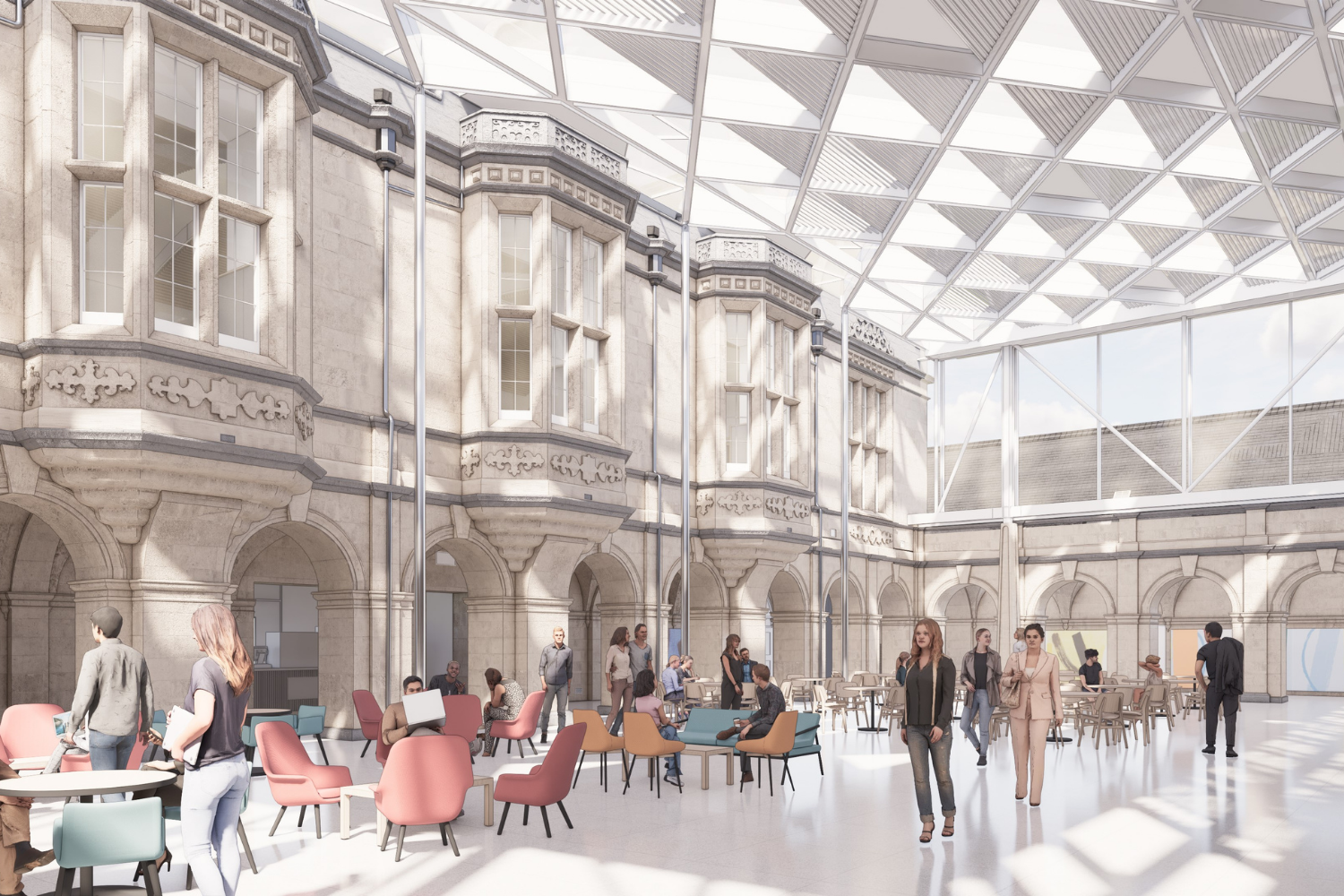
The new build construction integrates with the grade A listed Madras building and includes a glazed roof over the existing courtyard. The three existing buildings on the site will undertake significant conservation works and fabric upgrades. This fabric-first approach will enhance thermal performance, thermal comfort and reduce energy demand.
The project is applying the Net Zero Public Sector Building Standard, which sets ambitious targets for energy consumption and embodied carbon. This will be one of the first buildings that incorporates both new build and refurbishment elements of historic buildings.
Beyond its environmental goals, New College aims to set a new benchmark for conservation-sensitive retrofit, showing that historic buildings can meet modern energy standards while preserving architectural integrity. Supported by £950,000 from Scotland’s Public Sector Heat Decarbonisation Fund, the University will deliver pioneering conservation and sustainability work across the New College site.
The project will serve as a model for sustainable adaptation across the University estate and beyond, demonstrating how education, heritage and climate action can work in partnership.

Share this article:

Subscribe to our newsletter to not miss articles like this one:
 SUBSCRIBE

