


Up to 20 firms and 57 individuals could face criminal charges over Grenfell
 Reading time: 2 minutes
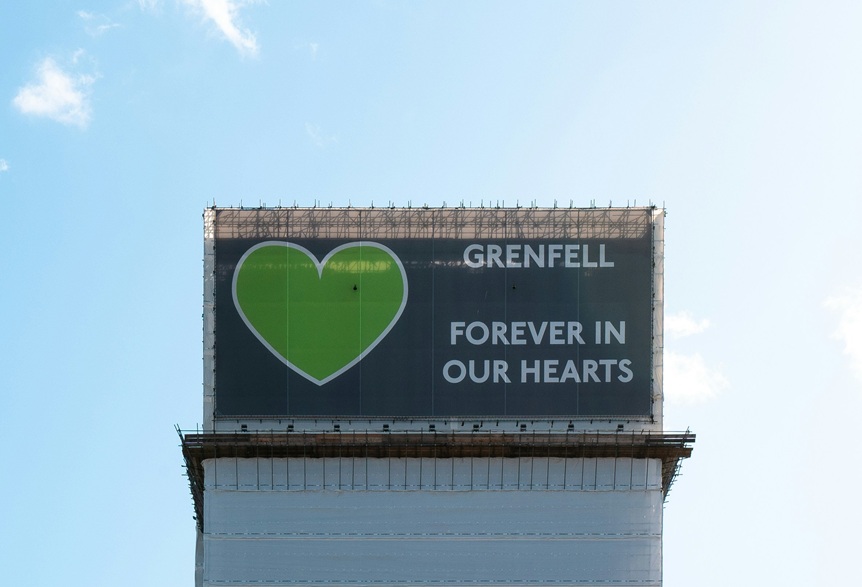
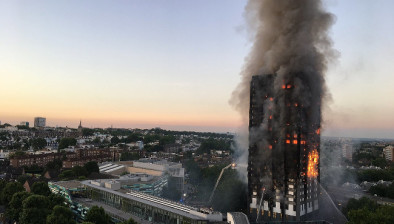
Up to 20 companies and 57 individuals are now under criminal suspicion over the Grenfell Tower fire, as the Metropolitan Police confirmed it is on track to submit full case files to the Crown Prosecution Service (CPS) by September.
The update marks the most significant step yet in the long‑running criminal investigation into the 2017 disaster, which claimed 72 lives and triggered a nationwide reckoning over building safety.
Deputy assistant commissioner Kevin Southworth said the Grenfell inquiry remains “one of the most complex investigations ever undertaken by any UK law enforcement agency”.


Since 2017, officers have:
- Taken 14,400 witness statements
- Examined 27,000 physical exhibits, including cladding, insulation, windows, doors and even individual screws and bolts
- Collected 165 million electronic files
- Investigated the roles of 15,000 individuals and 700 organisations
- The investigation team has now grown to 220 officers and staff.
Southworth said the Met is “on schedule” to deliver all remaining files to the CPS this autumn, adding that prosecutors are “confident” charging decisions can be made before the 10th anniversary of the fire.
The police confirmed that the 57 individuals and 20 organisations under suspicion could face a range of criminal allegations, including corporate manslaughter, gross negligence manslaughter, misconduct in public office, fraud, and health and safety offences.


Ross Wilson, partner at Spencer West LLP, who was involved in Phase 2 of the Grenfell Inquiry, said the move towards criminal charges was expected: “It is not surprising that criminal charges against those held to be responsible would eventually happen. The vast amount of evidence and scrutiny by the Inquiry has assured this would be a natural development in the process.”
Wilson added that the development reflects a wider shift in government policy towards holding construction and manufacturing parties to account, pointing to the Remediation Bill referenced in the King’s Speech.
The proposed legislation would impose legal deadlines requiring unsafe buildings to be remediated by 2029 (18m+) and 2031 (11m+), placing further pressure on an already stretched remediation sector.
“Manufacturers, developers, freeholders and contractors will be watching with bated breath,” Wilson said. “It will be interesting to see how these responsible parties cope with hard deadlines—or whether remedial action will ultimately fall to Homes England or local authorities.”



Share this article:

Subscribe to our newsletter to not miss articles like this one:
 SUBSCRIBE