


Alex Reeves: The economic benefits of building a circular and resilient Scotland
 Reading time: 5 minutes

Alex Reeves
Alex Reeves, manager (built environment) at Zero Waste Scotland, discusses the main points revealed by the organisation’s built environment Roadmap to Circularity.
Scotland’s unique built environment has an important part to play in our transition to a circular economy.
As a society, we’ve adapted our cities, towns and communities to meet changing needs over centuries, and construction remains one of the most important industries in our economy.


But the impact of our built environment on resource use is significant, with around half of Scotland’s waste resulting from construction and demolition activity. Too often buildings are seen as disposable, with demolition favoured over adaptive reuse, and materials downcycled or discarded.
This linear approach not only generates waste but loses valuable materials from local economies - materials that could support innovation, create new business opportunities and reduce reliance on increasingly volatile global supply chains.
Creating a more circular built environment offers an opportunity to build on Scotland’s culture of innovation and move towards a future where adaptation, reuse, repair and remanufacture become the norm.
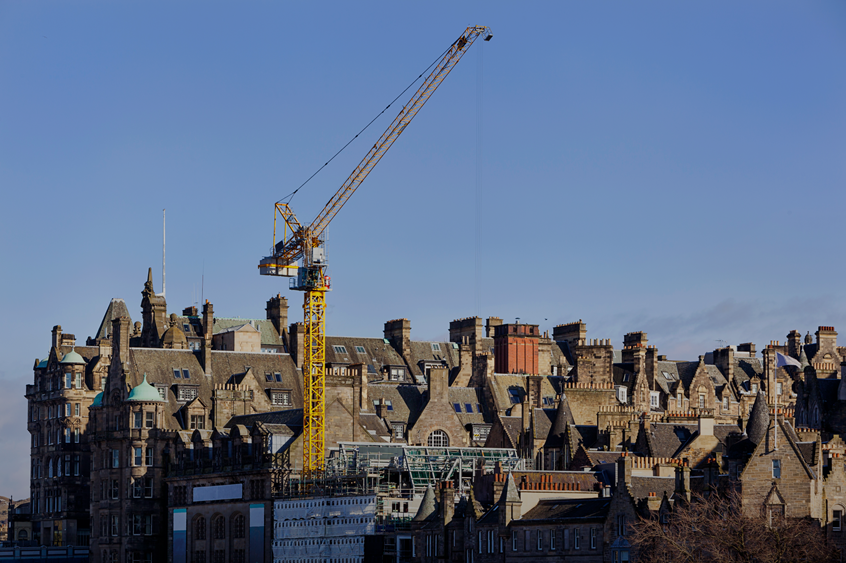


If we get this right, circular construction can help cut waste, make better use of existing resources and strengthen local supply chains, creating opportunities for Scottish businesses while ensuring our built environment can meet future needs.
The scale of the economic challenge means no single organisation or sector can make Scotland circular on its own. Progress depends on bringing together the expertise needed to tackle the barriers between ambition and action.
That’s why, when we published our built environment Roadmap to Circularity this summer, the first intervention was the formation of a sector-led Mission Board. Bringing together experts from across the built environment sector, it will help drive the changes needed to make circularity our business as usual.
In developing the Roadmap, we spoke to more than 100 organisations, and what we heard was encouraging. Businesses want to use resources more efficiently, reduce embodied carbon, reuse more materials and generate less waste. The challenge is making these approaches commercially viable. If circular options cost more, create additional complexity or carry greater risk, adoption at scale will remain difficult.


The Roadmap identifies eleven further interventions needed to support innovation, from addressing barriers around financing, insurance and regulation to helping businesses develop the skills and knowledge needed to integrate circular practices into everyday operations.
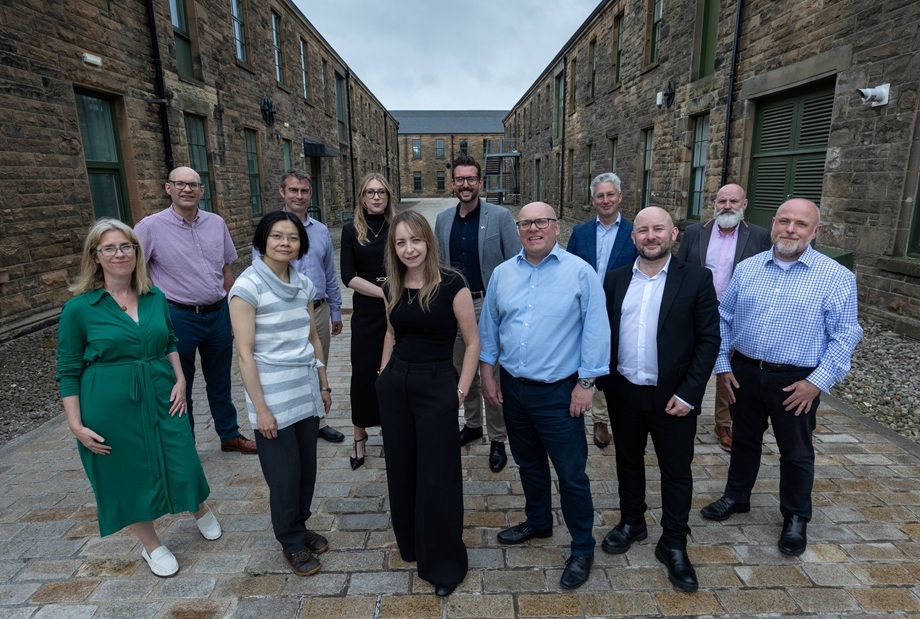
The Zero Waste Scotland Mission Board
One particularly promising development is the emergence of Circular Construction Hubs. These hubs make it easier and more cost effective to collect, process and redistribute construction materials for reuse, creating the infrastructure needed to make circular approaches commercially attractive.
To explore this opportunity, Zero Waste Scotland is working on the Horizon Europe-funded CirCoFin project. Alongside partners in Munich, Copenhagen and Lisbon, we’re examining what investment would be needed to develop a Circular Construction Hub in Scotland while learning from similar initiatives across Europe.
Reuse is already happening in Scotland. Businesses like Saxen Commercial Interior Solutions and Recycle Scotland supply reused furniture to the commercial fit-out market, while others including Good Green Futures and Glasgow Wood are piloting material recovery and reuse initiatives that also deliver social value through skills development and employment opportunities.
Scotland is also seeing innovation in products and technologies that keep materials in use. A team of academics from leading Scottish universities has established the TRACE project, developing digital tools to track and audit materials and support their safe reuse.
We’ve also seen businesses demonstrate what circular innovation can achieve. Kenoteq’s K-BRIQ®, made from 95% recycled construction and demolition materials, provides a low-carbon alternative to traditional bricks. Meanwhile, Dumfries-based Vaso by Eco is scaling up production of composite wall panels made from recycled glass, with a world-first housing development already underway. The recent investment success of both businesses highlights growing commercial interest in circular solutions.
These examples show why circular construction should not be framed as a choice between environmental responsibility and economic growth. The opportunity is to deliver both, but doing so will require change across the system.
Government, industry, investors and supply chains all have a role to play. Our engagement with the sector shows broad agreement that change is needed. What matters now is turning that ambition into practical action.
That’s why events such as the Scottish Construction Summit are so important. They bring together the people with the influence, expertise and experience needed to turn ideas into reality and identify the next steps for the sector. I’ll be joining that conversation at this year’s summit alongside businesses already testing new approaches and demonstrating what circular construction can look like in practice.
The question is no longer whether circular construction can work in Scotland - there’s work underway across the country already proving that it can. The real question is whether we can create the conditions to make these approaches the norm rather than the exception. If we do, we’ll unlock new economic opportunities, keep valuable resources in circulation and build a more resilient Scotland - not by building more, but by making better use of what we already have.
Alex Reeves will be presenting at the Scottish Construction Summit on October 22. Attend for free here.

Share this article:

Subscribe to our newsletter to not miss articles like this one:
 SUBSCRIBE