




And finally… ruff transition
 Reading time: 3 minutes
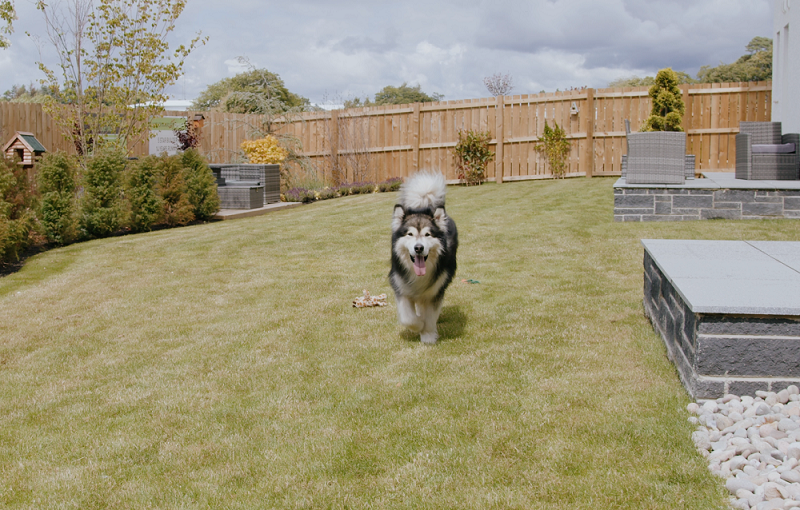
Barratt Homes has partnered with Craig Avery, who runs the renowned Scottish Dog Behaviourist company, to share his expert advice to help new homeowners ease the transition for their pets.
With more than 10 years’ experience and over 1,700 clients worldwide, Craig highlights a key error many owners make during a move.
He said: “The most common mistake is assuming every dog will adapt immediately, without structure or preparation.


“For a dog, moving house isn’t exciting, it can be confusing. They don’t understand what’s happening, only that everything familiar has changed. Most behavioural changes seen during a move stem from uncertainty rather than disobedience.
“Dogs rely heavily on routine and familiar surroundings, so a sudden change in environment can lead to anxiety-related behaviours such as barking, pacing, clinginess or withdrawal. However, in most cases, these issues are temporary and improve with the right structure.”
According to Craig, preparation can be the key to reducing the stress of moving.
“Keep feeding times, walks and daily routines as consistent as possible and try to avoid making multiple big changes at once. Also introduce packing materials like boxes gradually rather than all at once, so your dog doesn’t become overwhelmed.”


He also warns that moving day itself can be particularly challenging.
“The priority should be to reduce stimulation as much as possible. Keeping your dog in a quiet, secure space, or arranging for them to stay elsewhere, can make a significant difference.”
When settling into a new home, Craig advises a gradual approach.
“Start by giving your dog access to one or two rooms, then build up over time. This helps them feel safe and in control of their environment.
“Scent also plays a huge role. Dogs rely far more on smell than sight, so moving home removes much of what makes a space feel familiar. Bringing unwashed bedding, blankets and toys into the new home helps carry their scent and provides immediate reassurance.”
For particularly anxious dogs, a slower and more structured approach is recommended.
“Keep stimulation low, maintain a predictable routine, and provide calm, consistent guidance to help build confidence without overwhelming them.
“Owner behaviour is equally important. Dogs are highly attuned to our emotions and if we’re stressed or inconsistent, they’ll pick up on that immediately. Staying calm and predictable is far more effective than trying to offer constant reassurance.”

Share this article:

Subscribe to our newsletter to not miss articles like this one:
 SUBSCRIBE