




BRE launches updated framework for sustainability standards
 Reading time: 2 minutes
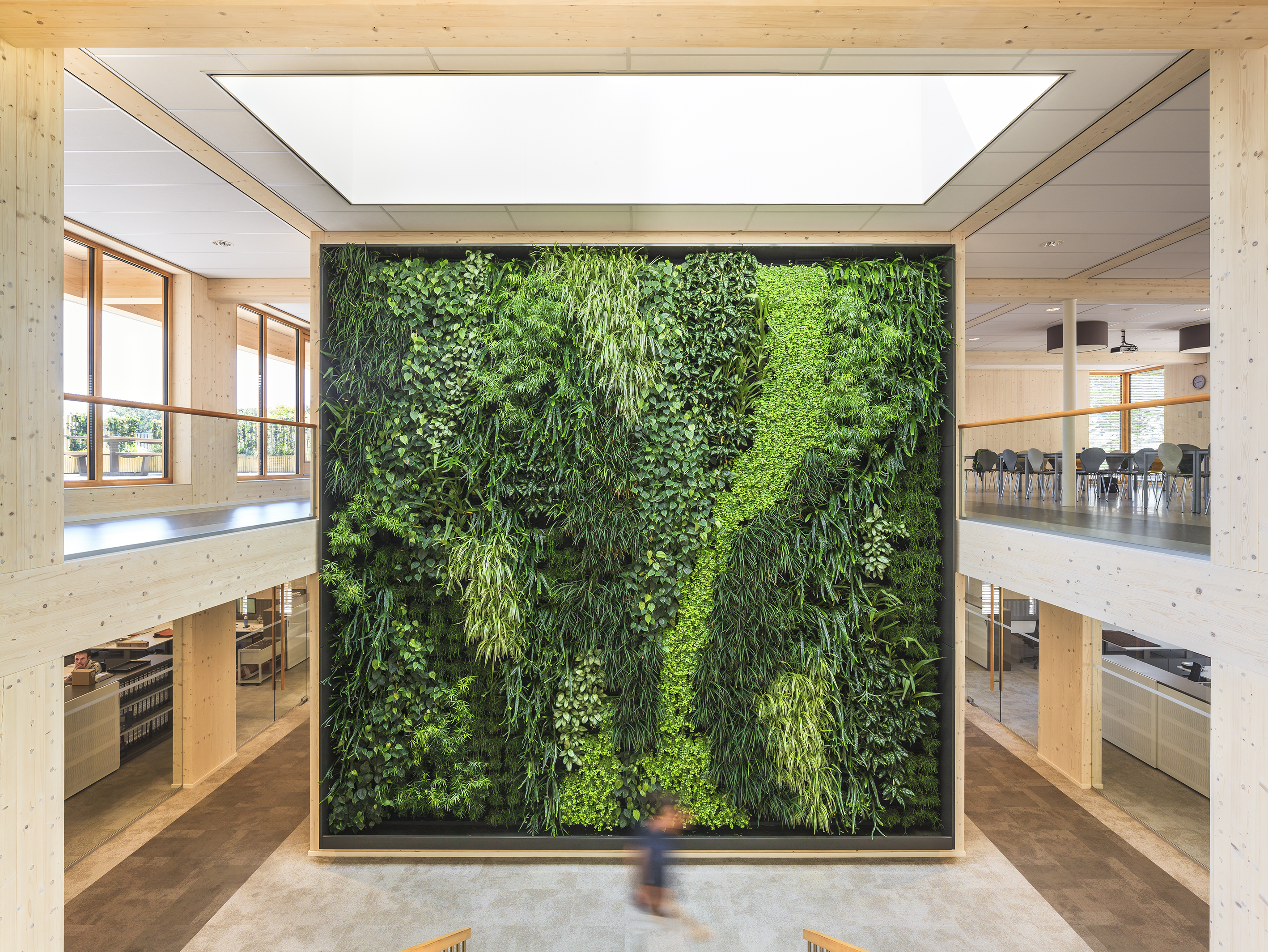
The Building Research Establishment (BRE) has introduced BREEAM Refurbishment and Fit Out Commercial Version 7 (BREEAM RFO V7), an updated framework that consists of two sustainability standards designed to support building owners, occupiers and developers to reduce carbon and safeguard the value of existing commercial buildings.
With 80% of the buildings that will be occupied in 2050 existing, boosting the performance of current buildings has been recognised as a key part of the net zero transition.
Deep retrofits can lead to 50–75% less carbon than constructing the same building from nothing.


The updated framework provides a guideline for assessing and enhancing the sustainability of commercial refurbishment as well as fit-out projects.
The two standards are:
- BREEAM Refurbishment V7 – for projects involving alterations to a building’s fabric, core systems or operational performance
- BREEAM Fit Out V7 – for tenant-led or interior-focused projects where the wider building structure and core systems are not being massively changed.
The two standards help project teams reduce carbon across a building’s lifetime and boost decision-making about its future performance.


They also aid more trustworthy predictions of energy use.
Tom Wilson, director of BREEAM, said: “The buildings we will need in 2050 are largely already here.
“Many will still be part of our towns and cities when our children and grandchildren are living and working in them. We have a responsibility to make sure they are fit for that future.”
Wilson added: “BREEAM Refurbishment and Fit Out Version 7 helps owners, occupiers and project teams make practical choices that cut carbon, improve performance and create healthier, more resilient places for people.”


The BREEAM RFO V7 standards have a flexible model that includes fabric and structure, core services, local services and interior design.
This prompts assessments to mirror the scope of refurbishment or fit-out works.
The standards also bring a five-part resilience framework spanning across hazard screening, climate risk assessment, resilience planning, protection from operational and malicious risks, and contribution to local resilience.

Share this article:

Subscribe to our newsletter to not miss articles like this one:
 SUBSCRIBE