





Edinburgh and Glasgow fit-out costs rise by 12%
 Reading time: 5 minutes
©JackHobhouse
A combination of a rise in demand for premium, highly amenitised Grade A office space and a shortfall in supply in many markets has led to double digit percentage increases in fit-out costs over the past year in major global cities, including Edinburgh and Glasgow, according to a new report by Turner & Townsend.
London is now the second most expensive office fit-out market in the world, with Dublin 18th, Edinburgh and Glasgow 21st, Birmingham 22nd, and Manchester 25th. The year-on-year picture is mixed, as while Edinburgh and Glasgow saw costs rise by 12%, Manchester and Birmingham saw prices rise in line with inflation at 2% and 3% respectively, while in London costs fell by -1%, albeit they have increased significantly in recent years.
Covering 58 cities, Turner & Townsend’s report provides a uniquely comprehensive insight into the fit-out market globally. The report also examines how the growth of AI is transforming the global fit-out landscape.


A key driver of the increase in costs has been the changing role of the office and increased demand from occupiers for higher quality, more amenitised and sustainable workspaces.
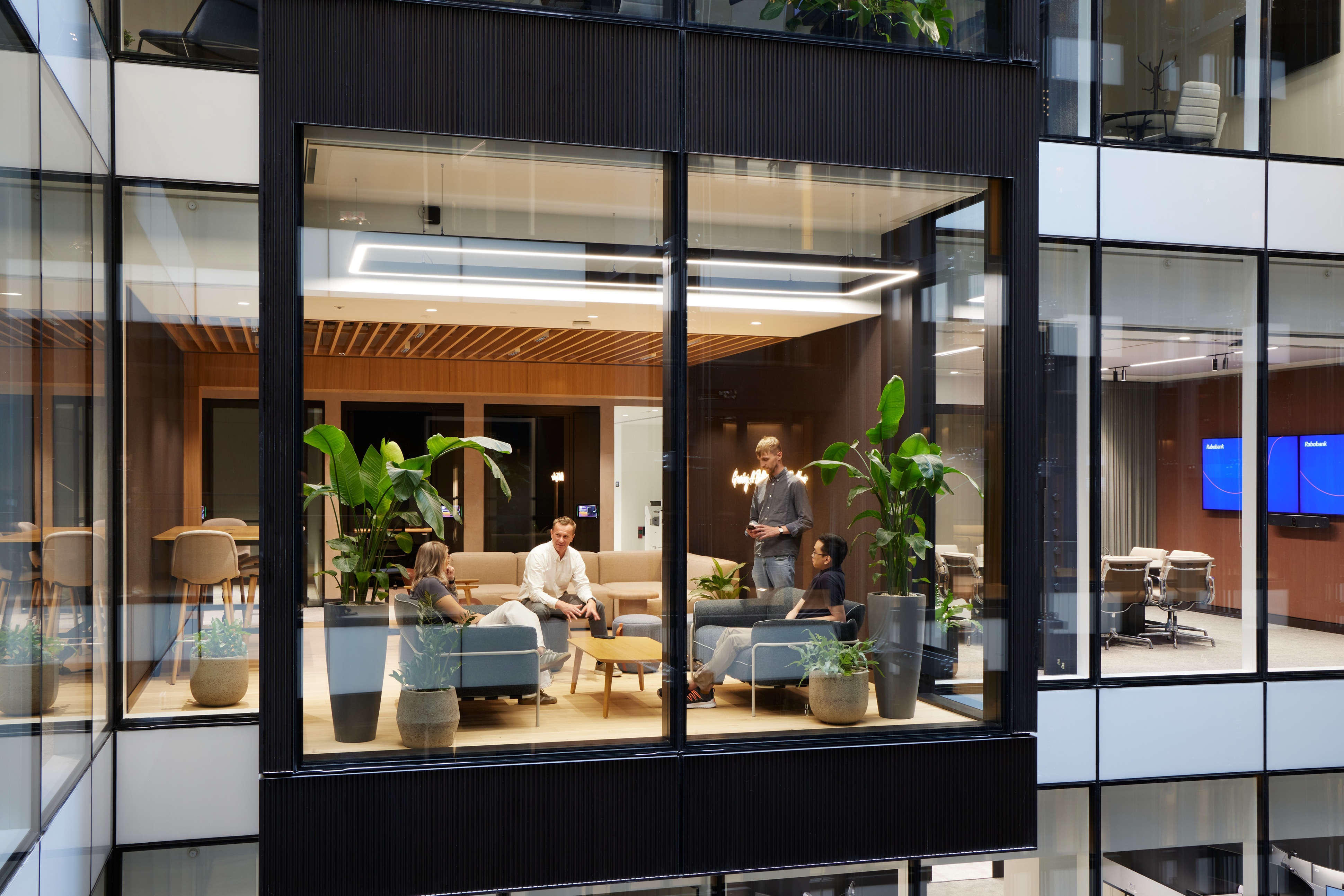
With the normalisation of flexible working, businesses are working harder to encourage employees to come together, which means that an office now fundamentally needs to be more than just a place to work, it must be a home from home, a place to eat and drink, socialise, innovate, and bring people together. That means higher quality amenities, flexible spaces, and a more attractive overall fit-out.
Furthermore, in a digitally-enabled world, the most forward-thinking businesses are trying to design spaces that not only enable employees to use AI, but also integrate technology into the very fabric of a workspace, to ensure the foundations are in place to capitalise as new breakthroughs are announced.
All of this increases costs. For example, in many US cities occupiers are not just adding cafes and collaboration zones, amenities are themselves AI-driven, with everything from the usage of specific services through to the management of climate control and lighting digitally tracked and synced up.


In London, the corporate occupier market is being led by a greater number of large-scale fit-outs, with major brands and international players looking for new bespoke space. The post-pandemic stagnation in London’s development world has largely ended, but the knock-on impacts are now being felt with less new stock available until the 2030s.
This is particularly the case in the Canary Wharf region, which is undergoing major changes, with wholesale retrofits and re-fits of several major skyscrapers underway to suit modern requirements. The financial and professional services sector in general is the top spender on new fit-outs, as companies look to retain talent by offering employees internationally competitive amenities and premium-quality spaces.
Across the majority of markets that have seen increases in costs, one constant is the acute shortage of Grade A space. The report highlights how this combination of factors is leading to more businesses encountering the ‘stay vs go’ conundrum – deciding whether to pay high rates now in the market peak for new high quality space, invest in refurbishing existing facilities to stay long-term, or negotiate favourable rents to remain in the same space, despite it no longer suiting all needs.
Key findings from the report include:
- London is the second most expensive market with high specification fit out costs sitting at $5,872 per m2, despite costs falling 1% year-on-year
- This is far higher than Edinburgh and Glasgow at $3,859 per m2, an increase of 12%, Manchester at $3,666 per m2, and Birmingham at $3,857 per m2
- As a result of its well-established economic position and strong demand across a range of sectors, average high specification fit out costs in Dublin increased by a massive 12% to $3,878 per m2, pushing it up 10 spots in the rankings
- A combination of high demand, a limited pool of top tier contractors, and limited inventory means New York has regained the top spot as the most expensive fit-out market globally, with average fit out costs rising 4% to USD $5,886 per m2
Nadia de Klerk, global sector sponsor and head of UK occupier & portfolio, said: “Six years on from the start of the global pandemic, we’d like to imagine that its wounds have largely healed. Yet the impact on the world of business is enduring.
“Occupiers from major global players in financial, professional and legal services to tech behemoths and start-ups are all competing in an international market for talent and investment. They must have top-quality office space which reflects their brand and ambition – but stock is running short.
“The Grade A capacity squeeze has intersected with a new world of heightened occupier demand and expectations. We’re seeing high-value requirements for amenities, welfare and highly-scored building standards in connectivity and sustainability – all contributing to ever-rising costs for high-spec fit-outs.
“Occupiers have a crucial decision to make and all options come with their own challenges. For example, demand for limited new, Grade A space is pushing up costs, while upgrading existing space can lead to disruption to business operations as renovations are made in situ.
“And in this new, digitally-enabled world, where AI is raising expectations when it comes to the integration of technology, the ideal refurbished space may come with significant costs beyond just the complicated logistical considerations. This is particularly the case in London, where a fall in the number of new assets being brought to market post-Covid has resulted in a clear capacity squeeze.
“Essential to making these decisions is engaging early, understanding the real world needs now and for the future, using strong strategic partners, building in flexibility, and balancing the value-cost relationship. Only by following these principles will companies make the right decision when it comes to the ‘stay vs go’ conundrum.”

Share this article:

Subscribe to our newsletter to not miss articles like this one:
 SUBSCRIBE