





Five-year plan to manage East Lothian roads network approved
 Reading time: 3 minutes

East Lothian Council’s plan to manage the local roads network amid rising demands from population growth and new developments was approved by Cabinet at its meeting this week.
The Road Asset Management Plan (RAMP) sets out a five-year strategy for maintaining or improving the roads network as efficiently as possible within the constraints of a limited budget.
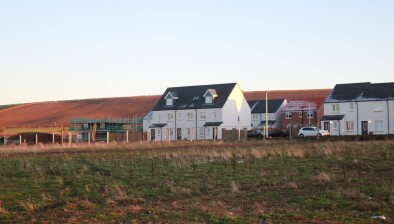
The plan acknowledges that the projected population increase in East Lothian of 12.4% between 2022 and 2032 will require new roads, junctions, footways, cycle routes, drainage, and other associated infrastructure. This will place greater pressure on the existing road network and expand the council’s responsibilities for inspections, maintenance, resurfacing, and winter service.


The council is currently responsible for a road network which includes 1,147km of carriageway, 674km of footways, 18,741 street lighting columns, 101 traffic signals and 294 electric vehicle chargers, as well as bridges, drainage gullies and bus shelters. This has risen steeply in recent years with, for instance, the length of carriageway under council adoption climbing by 14 per cent from 931km to 1073km between 2013 and 2023.
The RAMP seeks to promote good practice and achieve the best value for money in an ongoing climate of reduced budgets and increasing costs.
Under the plan, the condition of road assets would be regularly assessed in comparison with similar assets across East Lothian to ensure they are safe and functional. Along with recording defects and feedback from road users and local communities, the resulting data will be used to prioritise a programme of works to ensure that the limited funding available is targeted where the need is greatest.
The council has always had a maintenance plan which followed best practice, and this was formalised after the development of the Local Transport Strategy in 2018. Cabinet voted on Tuesday to approve the updated RAMP to cover the period 2026-2031.


While the report to Cabinet noted a halving of carriageway faults reported by the public from 4917 in 2024 to 2247 last year, the RAMP also reinforces the need for additional investment and sufficient preventative maintenance in response to recent severe winters and more frequent harsh weather conditions.
Councillor John McMillan, the council’s cabinet spokesperson for environment, economic development and tourism, said: “Transport forms a vital part of everyday life for East Lothian, playing a major role in connecting communities, transporting goods and services, facilitating economic growth, and providing active travel options to improve health and well-being.
“This plan is a key component of the council’s commitment to applying evidence-based asset management principles to the road infrastructure. Given the financial pressures faced by local authorities, it is essential we adopt these methods to ensure that budgets invested in the road network are used effectively and deliver maximum benefit.
“By adopting a long-term, proactive approach which gives due consideration to climate resilience, changes in travel patterns, the transition to low-carbon transport, and the need for smarter, more efficient maintenance practices, the council aims to manage its road assets sustainably, improve network reliability, and support the county’s wider social and economic needs.”

Share this article:

Subscribe to our newsletter to not miss articles like this one:
 SUBSCRIBE