




Perfect ten unveiled as winners of 2026 RIAS Awards
 Reading time: 7 minutes
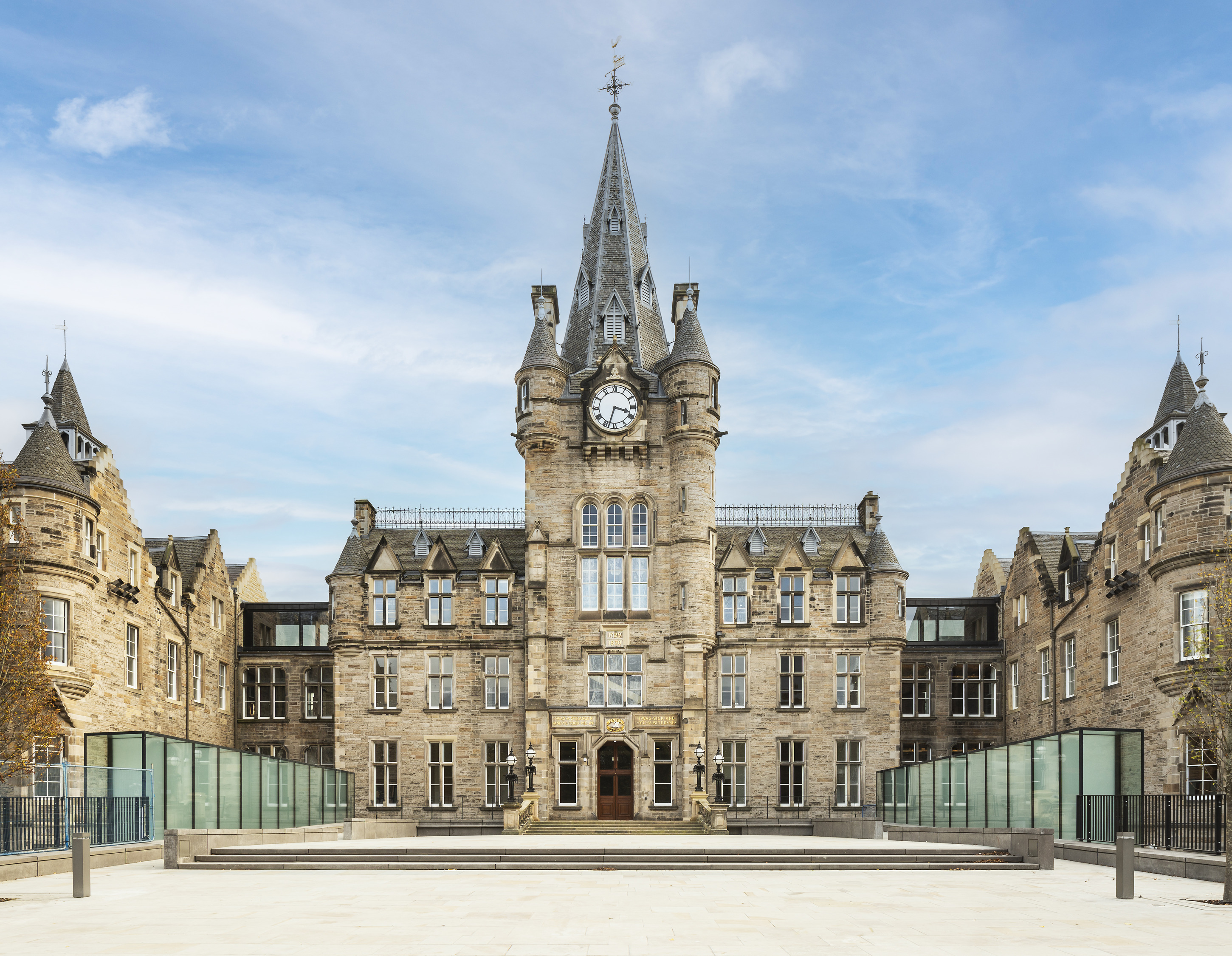
Edinburgh Futures Institute ©Keith Hunter
The Royal Incorporation of Architects in Scotland (RIAS) has announced ten outstanding buildings as winners of its annual awards programme, recognising the very best in Scottish architecture.
As this year’s list of winners demonstrates, the RIAS Awards recognise all types and sizes of architectural projects. The 2026 RIAS Awards winners encompass new social housing, healthcare and education buildings, alongside a contemporary Highlands cottage, a new library and a series of major historic building conservation projects.
The 2026 RIAS Awards winners are:


Edinburgh Futures Institute, Edinburgh by Bennetts Associates
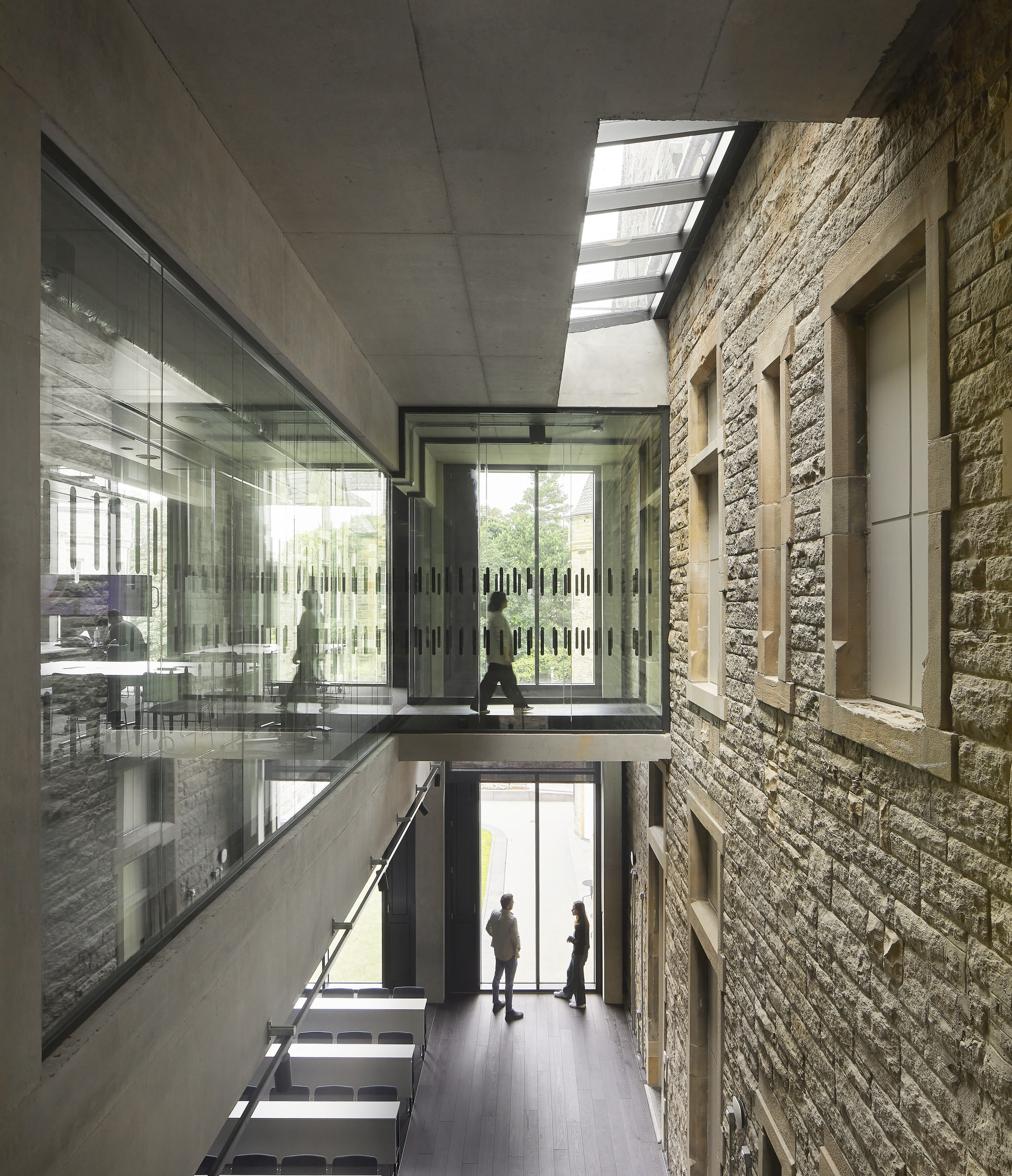
Edinburgh Futures Institute (Edinburgh) by Bennetts Associates ©Hufton and Crow
Bennetts Associates’ repair and remodelling of a Category A listed Victorian hospital creates exceptional new facilities for the University of Edinburgh, including a 450-seat auditorium, teaching and social spaces, and a new public square.
The judges described how the project demonstrates technical mastery while preserving the integrity of the historic building, and stated that the Edinburgh Futures Institute “sets a benchmark for transformative academic architecture that is visually compelling, technically exemplary, and a socially significant heart of the Edinburgh University campus.”
Iorram, Highlands by Baillie Baillie Architects
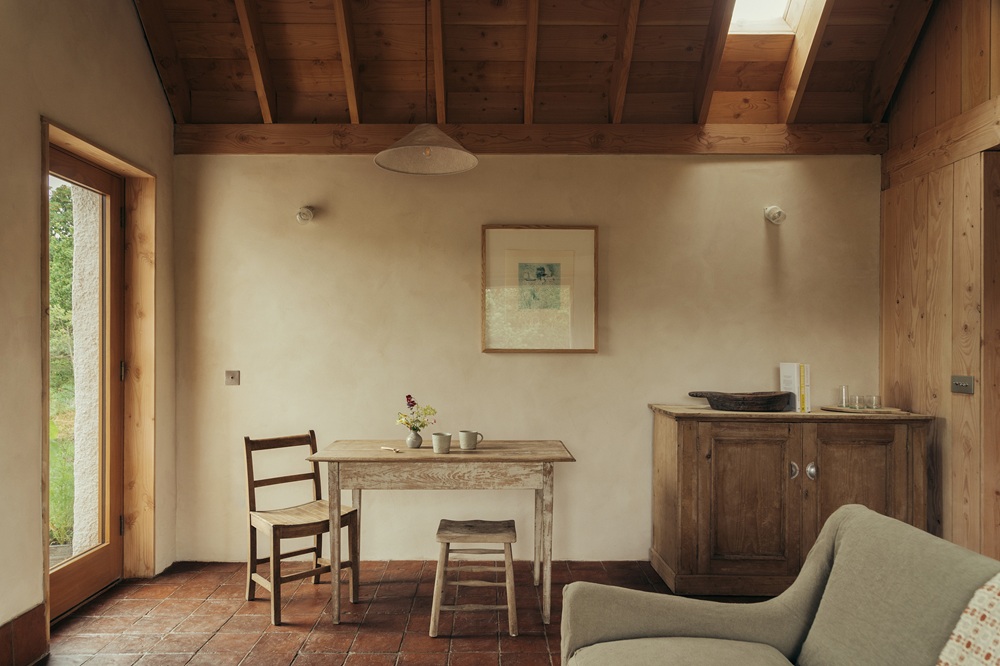
Iorram (Highlands) by Baillie Baillie Architects ©Murray Orr
Colin and Megan Baillie designed and built this contemporary interpretation of a traditional Highlands cottage for themselves, celebrating the use of timber as well as local tradition.


The judges were impressed by the project’s focus on craftsmanship and sustainability, describing Iorram as “a model of how precision, innovation and sustainable thinking can converge in micro-living, delivering a home that is both highly functional and profoundly poetic.”
Neilston Learning Campus, East Renfrewshire by BDP
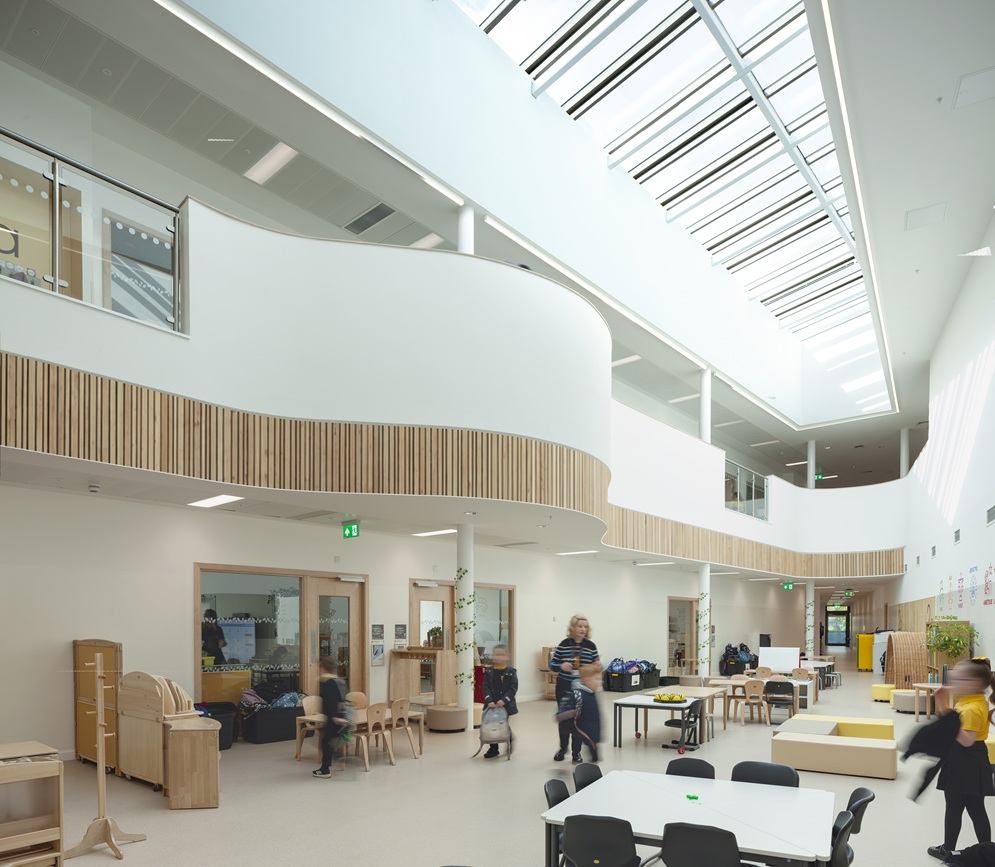
Neilston Learning Campus by BDP ©David Babour
BDP have tackled a challenging site to create a shared campus for Neilston Primary School and St Thomas’s Primary School, with a variety of shared spaces to support different learning styles and encourage collaboration, communication and intergenerational learning.
The judges noted how the project uses connections with the outdoors to support learning, active lifestyles and access to nature, and how East Renfrewshire Council’s enthusiasm and active engagement as a client has been key to the project’s success.


Paisley Central Library, Paisley by Collective Architecture
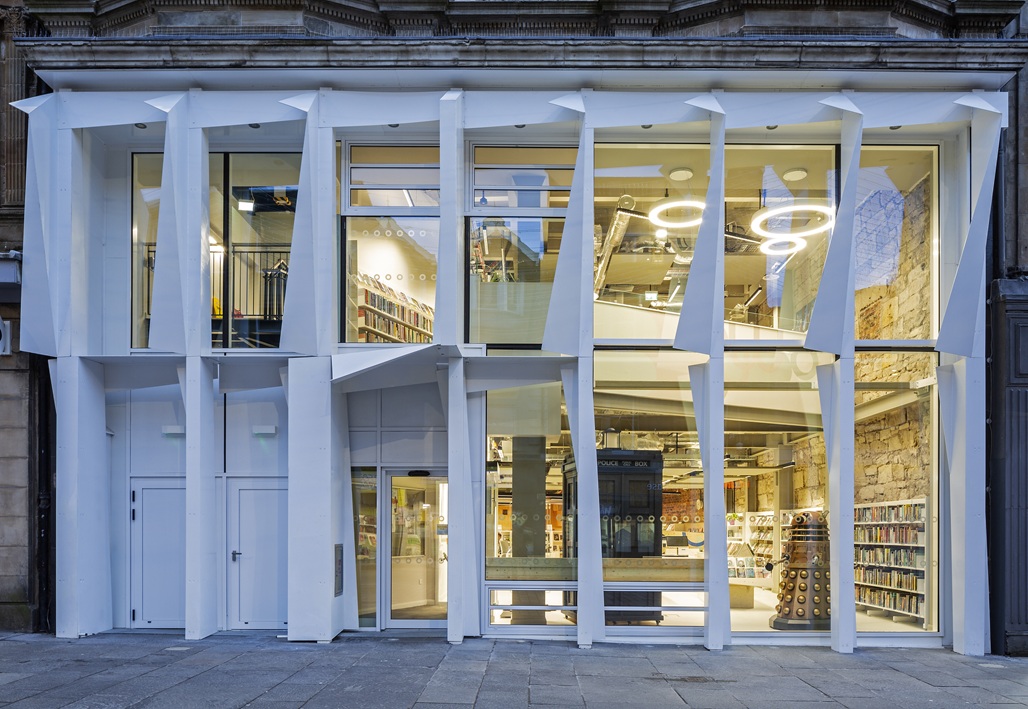
Paisley Library by Collective Architecture ©Keith Hunter
This project brings a dilapidated historic building back into use as a dynamic and community-focused new central library, supporting wider efforts to sustain Paisley’s town centre.
The judges were impressed by the building’s ability to reflect the energy and grain of the town while providing a calm and welcoming environment, saying that the project is “a model for urban regeneration, showing how underused high street buildings can be transformed into destinations that enrich community life and civic pride.”
Parkhead Health & Social Care and Community Hub, Glasgow by Hoskins Architects
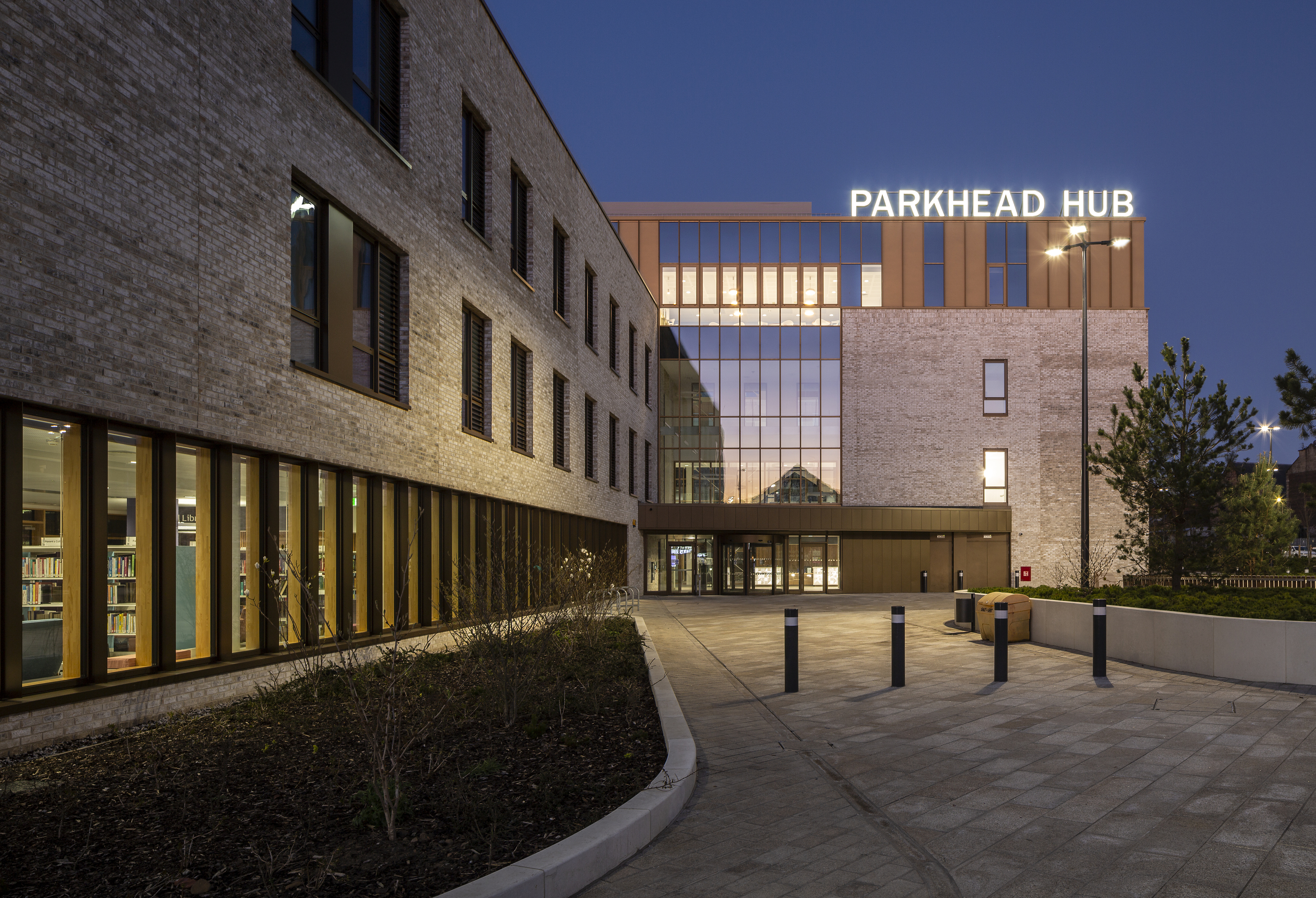
Parkhead Health & Social Care and Community Hub (Glasgow) by Hoskins Architects
Parkhead Hub is the largest primary care facility in Scotland, and NHS Greater Glasgow and Clyde’s first net zero in operation facility. The design focuses on making it easy for users to find their way around, and connects healthcare functions with community facilities including a library, pharmacy, café and social care.
The judges described it as a building that is “simultaneously functional, engaging and community-focused, illustrating how design can transform everyday services into inspiring, human-centred spaces.”
Preston Tower, Doocot and Gardens, East Lothian by GRAS
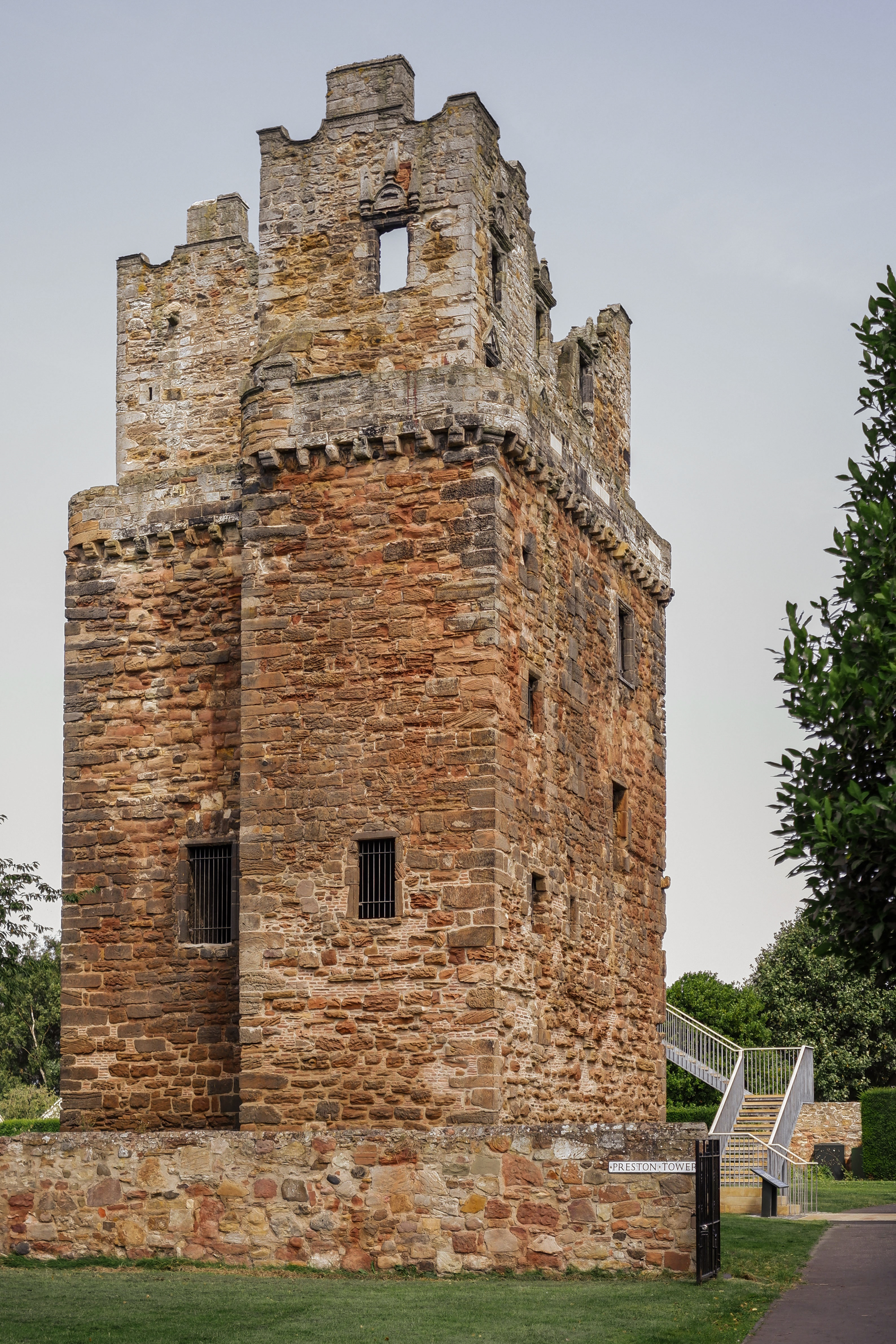
Preston Tower by GRAS ©Paula Szturc
Preston Tower is a sensitive and inspiring restoration of a 15th century towerhouse and doocot, set within a park that is cherished by the local community.
A series of light-touch interventions have balanced greater accessibility with protection of historic fabric, in a project described by the judges as one that “exemplifies careful stewardship of heritage, combining delicacy, rigour and social relevance to produce a building and landscape that is enduring, inspiring and beloved by its community.”
St Andrew’s Drive Phases 2 & 3, Glasgow by jmarchitects
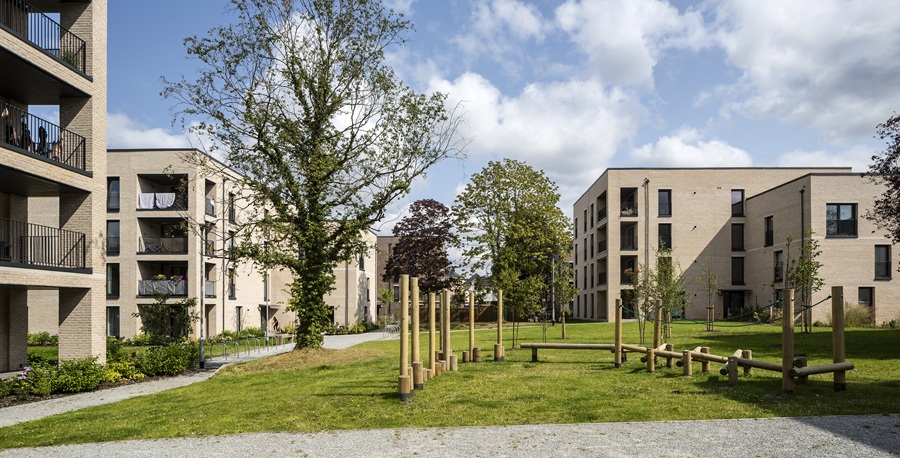
St Andrew’s Drive Phases 2 & 3 (Glasgow) by jmarchitects ©Keith Hunter
This social housing project in Pollockshields replaces outdated 1960s housing blocks with 120 high quality new homes within a cohesive, human-scaled and green neighbourhood.
The judges were impressed by the architects’ ambitious approach and ability to make the most of a difficult site, and the scheme’s success in balancing residents’ needs, social interaction, environmental responsibility and resilience for the future.
Tarlair Outdoor Pool Pavilion, Macduff by Studio Octopi
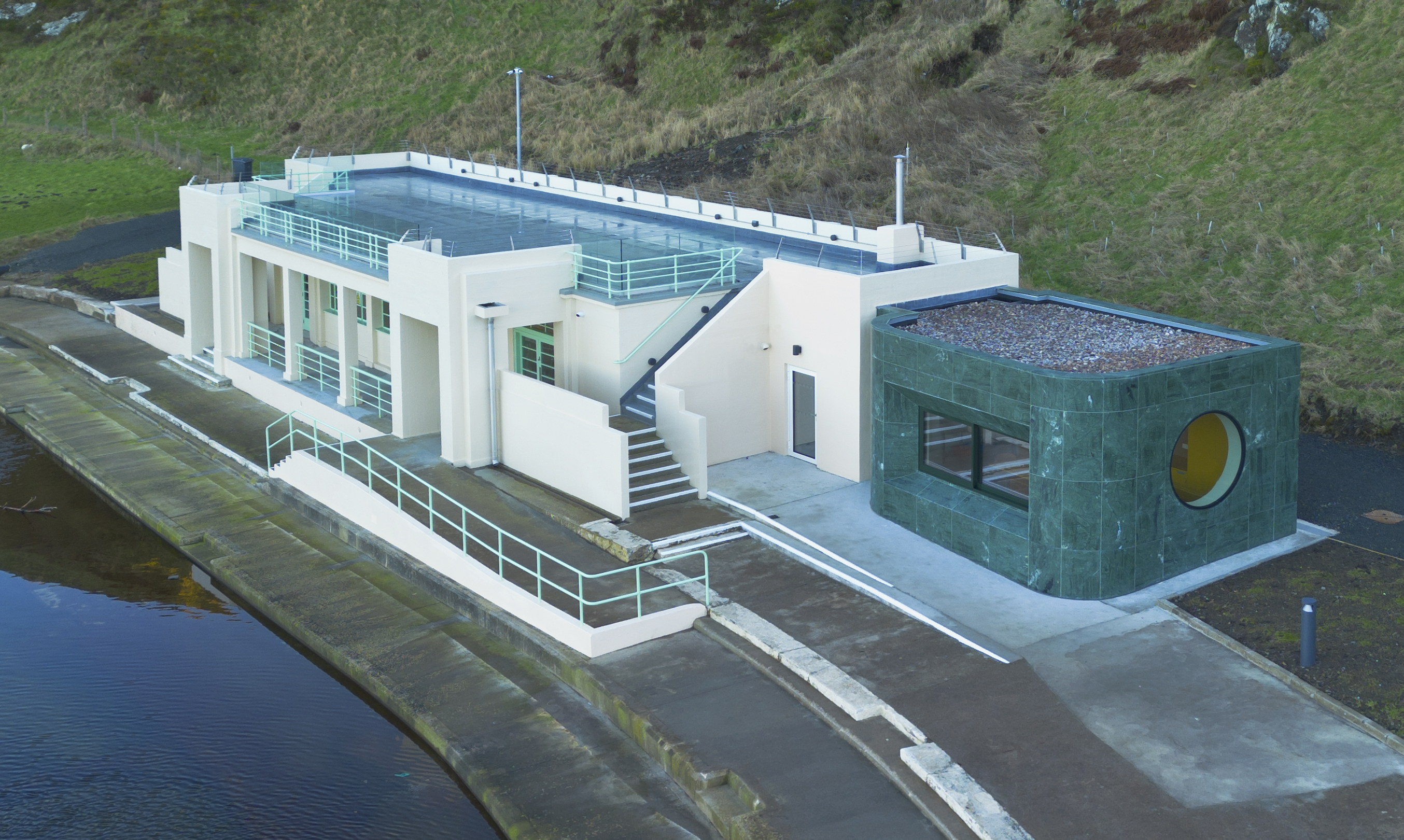
Tarlair Outdoor Pool Pavillion (Macduff, Aberdeenshire) by Studio Octopi ©Jimmy Thomson
When first built in 1934, Tarlair Outdoor Pool in Aberdeenshire was one of the first such Art Deco structures to be built and one of the largest outdoor pools in Scotland.
Studio Octopi’s restoration of the Tea Pavilion - part of a wider programme to bring the pools fully back to use – demonstrates how sensitive design can revive a historic site while embracing contemporary use, creating cultural, recreational and community value in a meaningful and enduring way.
The Canna House Project for the National Trust for Scotland, Isle of Canna by LDN Architects
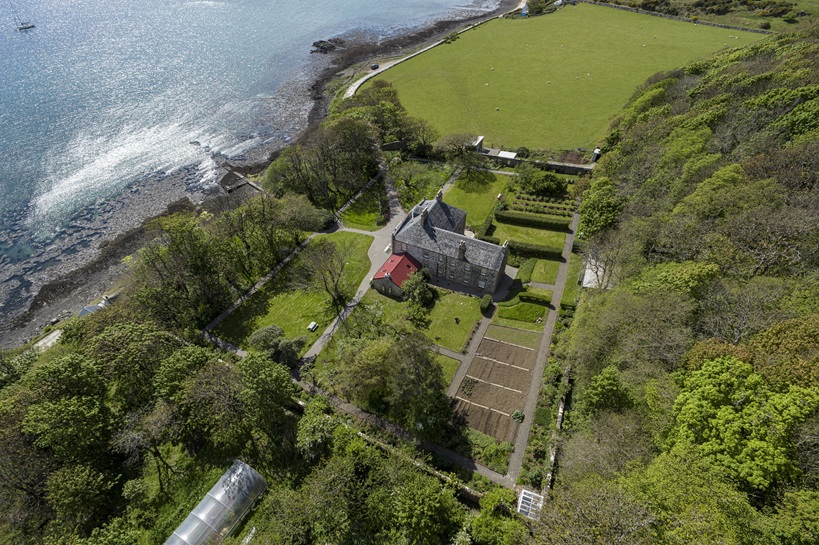
The Canna House Project for the National Trust for Scotland (Isle of Canna) by LDN Architects ©Steven Gourlay
The Canna House Project has reinstated the Category B building to its mid-twentieth century heyday, thanks to a painstaking conservation programme based on deep research, alongside measures to upgrade building services and protect the building and its contents from the harsh climate.
The judges commented that the project ‘stands as an exemplary model of conservation, demonstrating the value of an experienced design team and the role organisations such as the National Trust for Scotland play in safeguarding cultural heritage in remote locations.”
Usher Building, University of Edinburgh by Hassell
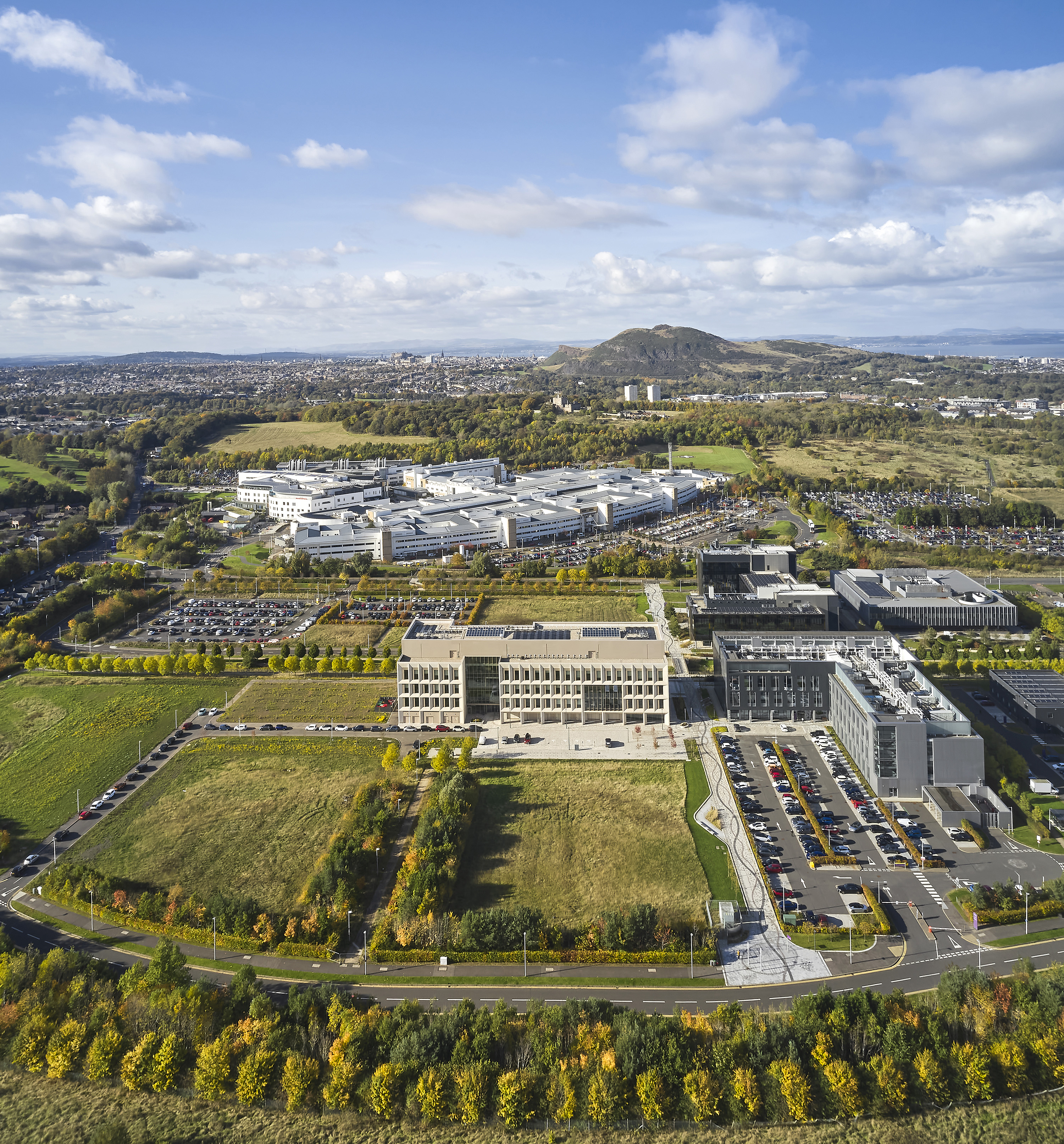
Usher Building, University of Edinburgh by Hassell ©Hufton and Crow
This purpose-built centre for population health research and innovation provides a flexible, inclusive and collaborative environment for over 900 users at the heart of Edinburgh’s BioQuarter.
The judges praised the project’s balance of civic ambition, technical innovation and human-centred design, and described how “the arrangement of spaces demonstrates a sophisticated understanding of circulation, light and user experience, producing a building that is both highly functional and uplifting.
All projects were visited in person by the RIAS Awards judges: Chris Dyson (director, Chris Dyson Architects), Elilidh Izat (director, Izat Arundell), Owen Hopkins (director, the Farrell Centre), and Anna Liu (director, Tonkin Liu and RIBA Awards representative).
The ten winners of the 2026 RIAS Awards will now be considered for the RIAS Andrew Doolan Best Building in Scotland Award, which will be awarded in November, and are also eligible for the Royal Institute of British Architects (RIBA) National Awards.
Jury chair Chris Dyson said: “I thoroughly enjoyed the discussions with my fellow jurors. The projects in this year’s top ten were exceptional: our visits and reviews were rigorous and gave us the time and space to appreciate in full the great care and consideration given to craftsmanship, responses to climate change and placemaking.
“In total, our travelling panel covered 850 miles. Scotland really showed us its richness of its urban and natural landscapes and the outstanding quality of architecture being produced within them.”
RIAS president Karen Anderson said: “The RIAS Awards once again demonstrate that great architecture adds value across Scottish society. These ten projects show just how much well-designed buildings, and the re-invention and careful stewardship of our heritage, can give joy and improve our day-to-day lives whether at work, at leisure or at home.
“It’s really important through our awards to be able to recognise the creativity, skills and commitment of the architects and project teams that make great projects happen.”

Share this article:

Subscribe to our newsletter to not miss articles like this one:
 SUBSCRIBE