





Princes Street and the Waverley Valley heritage statement launched
 Reading time: 4 minutes
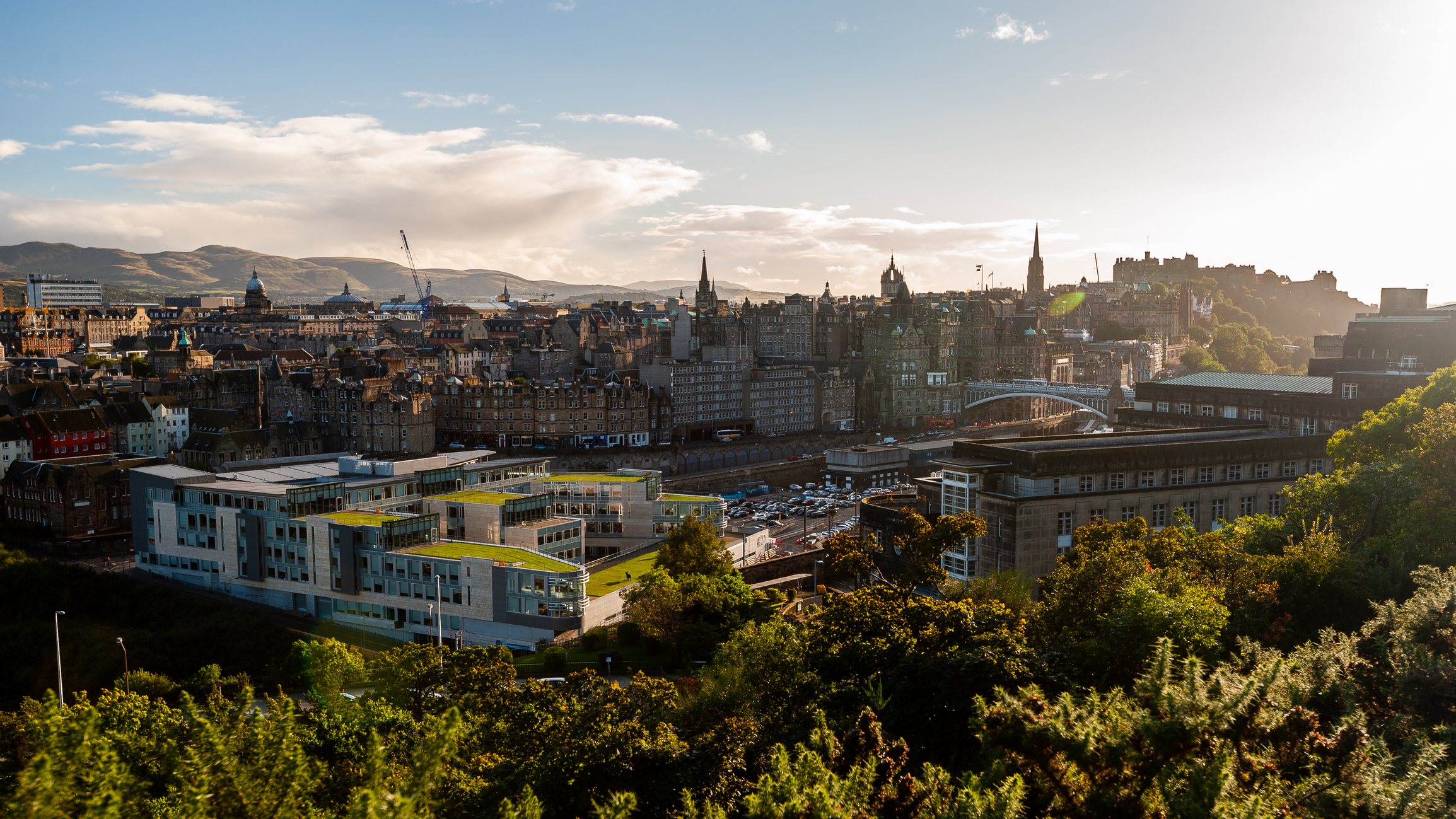
A new Statement of Heritage Significance for Princes Street and the Waverley Valley was launched at a breakfast seminar hosted by Iceni Projects Scotland on 19 November at The Balmoral Hotel.
The event saw some of Edinburgh’s most significant civic and independent heritage experts and representatives.
The statement, which was commissioned to help protect the historic centre of Edinburgh while guiding the new vision for revitalising the area as it moves away from traditional high street retail alone, has been given the green light by civic leaders.

Commissioned by the City of Edinburgh Council in partnership with Edinburgh World Heritage and authored by Iceni Projects Scotland’s Built Heritage and Townscape team, the statement gives guidance for future alterations taking place within the study area.
The statement has been made to provide designers, decision makers and interested parties with a baseline understanding of the historic significance of the area, which lies at the centre of the World Heritage Site.
It will also support the delivery of the City of Edinburgh Council’s strategy for this area, which seeks to conserve and revitalise Princes Street and the wider Waverley Valley to make it a more vibrant and welcoming place.
The statement comes at a critical time for Edinburgh’s key thoroughfare, which has seen major department store closures, such as the former Jenners and Forsyth’s, the effects of the pandemic, and heightened competition from the St James Quarter.


These issues have been worsened by the ripple effects of the recent fire in the former Debenhams building.
But the statement highlights successful examples of reuse, such as the Johnnie Walker Experience and Uniqlo, and provides a baseline to inform emerging proposals in the area.
These include proposals for Waverley Station and West Princes Street Gardens, with possible changes to the Ross Bandstand, the listed shelters as well as the north banks.
The statement ultimately provides an evidence-based framework to inform and manage alterations, whether proposals relate to the reuse of historic buildings, alterations to shopfronts, improvements to the gardens and public realm, or alterations to transport infrastructure.
Nick Walker, director of Built Heritage and Townscape Scotland at Iceni Projects, said: “Everyone has a view on Princes Street.
“It is one of the first places people think of when they think about Edinburgh, but it is also a street that has adapted over time to significant changes in how we shop and how we spend our time.”
Walker added: “The Statement of Heritage Significance provides a baseline assessment of the area’s architectural history, listed assets, key views, and overall contribution to the World Heritage Site. It is positioned as an essential tool for anyone undertaking any works to its buildings, streets, or gardens.
“With seventy-seven listed buildings across the Study Area, and lying at the heart of the World Heritage Site, the Statement underlines the importance of balancing regeneration with protecting the city’s unique historic character.”
Esme Coppock-Somers, senior heritage consultant within Iceni Projects’ Scottish Built Heritage team, and principal author of the report, said: “Its [the statement’s] significance is not a barrier to future change, but its unique position requires change to be managed sensitively, ensuring that Princes Street, its gardens and connecting areas can thrive economically and remain valued heritage assets enjoyed by residents and visitors for years to come.”
The event was attended by the following guests:
- David Givan, chief planning officer and head of building standards, The City of Edinburgh Council
- Gareth Barwell, corporate director of place, The City of Edinburgh Council
- Terry Levinthal, director, Edinburgh World Heritage
- Roddy Smith, chief executive officer, Essential Edinburgh
- Dr Caroline Brown, director, RTPI (Royal Town Planning Institute)
- Steven Robb, deputy head (Historic Buildings), Heritage directorate, Historic Environment Scotland
- Adrian Hardwick, director of operations, National Galleries of Scotland
- Tamsie Thomson, chief executive officer, RIAS (The Royal Incorporation of Architects in Scotland)
- Doug Pearson, director, 3DReid Ltd
- Anna Hansen, director, Orinsen
- Dr Ian Stewart, partner, Buro Happold
- Fiona Rankin, head of conservation (Public Realm), Edinburgh World Heritage
- Alison Morris, public realm projects manager, Edinburgh World Heritage
- Jenny Bruce, old & new towns of Edinburgh World Heritage site co-ordinator, The City of Edinburgh Council
- Nick Walker, director, built heritage & townscape, Iceni Projects
- Esmé Coppock-Somers, senior Consultant, built heritage & townscape, Iceni Projects
- Callum Fraser, director, Planning, Iceni Projects
- Laurie Handcock, director, Built Heritage & Townscape, Iceni Projects
- Caroline Nutsford, associate director, Planning, Iceni Projects

Share this article:

Subscribe to our newsletter to not miss articles like this one:
 SUBSCRIBE