


Sarah Lewis: Tier 1 contractors share lessons from Passivhaus projects
 Reading time: 4 minutes

Sarah Lewis
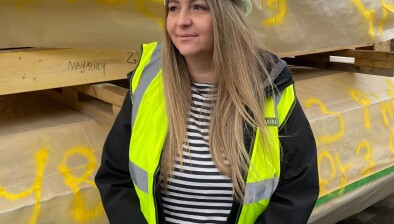
Sarah Lewis, co-director at the Passivhaus Trust, highlights key lessons from Passivhaus projects from Scotland and across the UK for embedding construction quality in large & complex projects.
Now that the dust has settled on the recent Scottish Government elections, we eagerly await the announcement of the second consultation on the Scottish Passivhaus Equivalent policy. The new Delivering Quality publication from BE-ST and the Passivhaus Trust celebrates the Tier 1 Contractors already delivering Passivhaus quality in Scotland and across the UK.
It has been truly inspiring to see Tier 1 contractors embracing the Passivhaus methodology in Scotland, delivering large-scale complex Passivhaus projects, including a large number of Scottish school projects.

The Passivhaus approach places strong emphasis on clear performance targets, coordinated design development, rigorous testing, and documented verification. Through engaging with this process-driven methodology, Tier 1 contractors have developed practical solutions in quality management, coordination and evidence capture that materially reduce performance risk.
Delivering Quality shares the learning gained from Passivhaus delivery of some of these projects, alongside broader quality management experience, to demonstrate how best practice can be applied across all projects, Passivhaus or not.
A distillation of best practice approaches, Delivering Quality is a free resource for the wider construction industry. The paper’s lead author is Allan Smith from Morrison Construction, and it has been written with a working group including Tier 1 Contractors drawn from Morrison Construction, Balfour Beatty, Kier Construction and Robertson Construction.
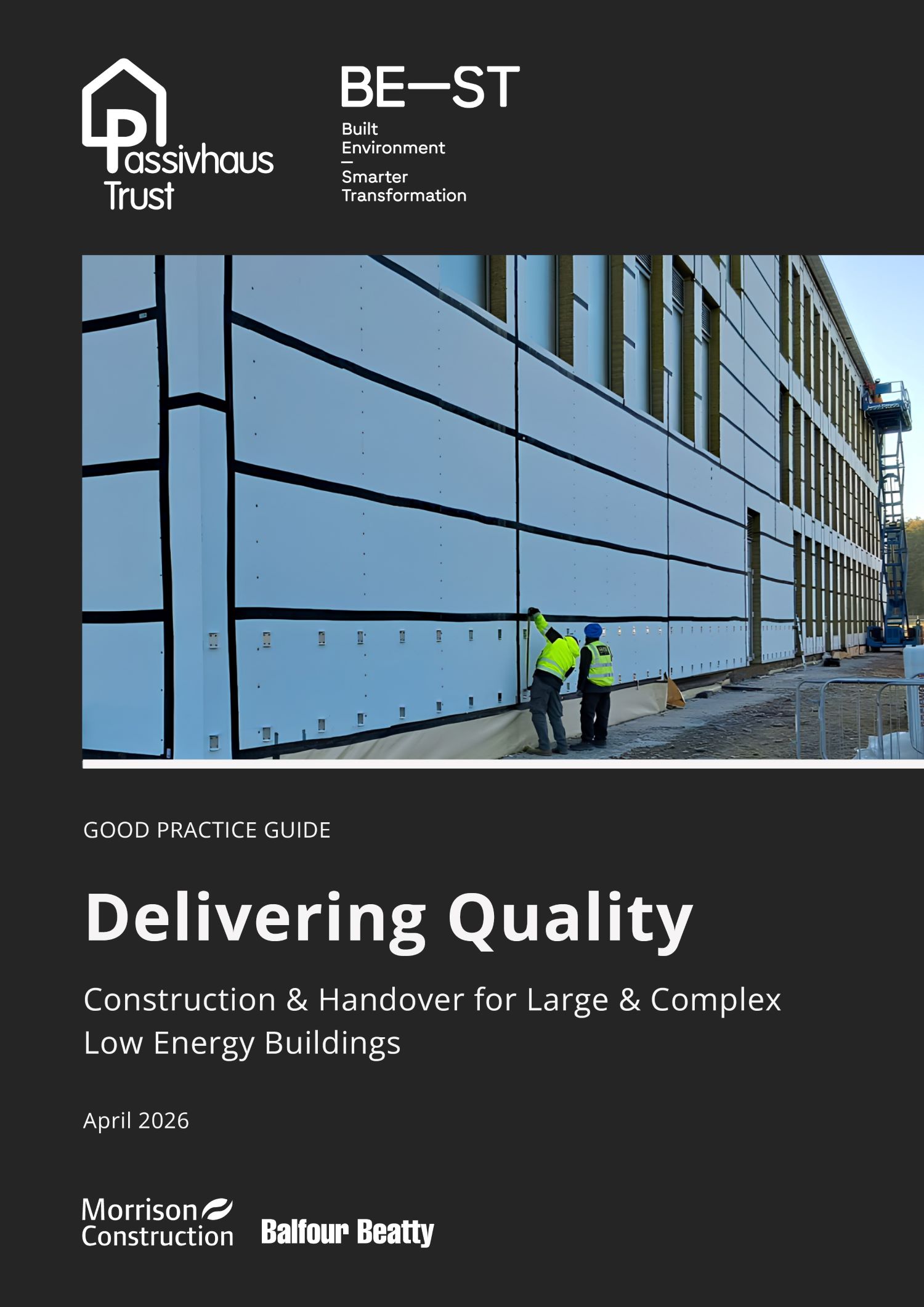


Top tips for different construction stages
Programme management
Construction managers need to ensure that suitable time allowances are included for processes like airtightness testing and commissioning. A pre-construction programme should aim to complete the majority of RIBA Stage 4 activities before site mobilisation. Key test and hold points should be identified clearly and included in both the main construction schedule and subcontractor orders.
The commissioning period should be planned and protected from day one. It is also vital that certification requirements are clearly defined and understood from the outset, with a dedicated individual assigned to manage the evidence workflow.
Procurement


It is important to create a collaborative environment when selecting and engaging with the supply chain, and treat tendering as a learning process, not just a selection exercise. The procurement of subcontracted work packages is often the supply chain’s first contact with the specific performance criteria of high performance and Passivhaus buildings. It is the perfect time to set the tone for the project’s quality expectations.
Training
Training obviously plays a crucial part in delivering a culture of quality. Sharing construction sequences during pre-construction helps with buildability and minimises problems on site. Mock-ups and prototypes give workers hands-on experience, set expectations before work commences, and have been found to substantially de-risk the process. Site signage can be an effective way of conveying expectations and culture on site.
Quality control
It is important to foster a ‘no blame’ culture and turn inspection and testing into proactive learning and prevention. Mistakes only become significant problems when they are not reported and rectified. Establishing a ‘no-blame’ culture on site creates a solution-oriented environment, where issues can be identified and addressed quickly rather than allowed to escalate. This creates the opportunity to prevent errors, rather than correct them after the fact.
Handover
Handover is about transferring knowledge, not just the building. Building performance depends on end users’ understanding of how the building is intended to operate. Handover training should take place in a staggered manner over the course of the initial occupation period of the building. Digital operation and maintenance manuals and 3D models can offer a more proactive approach to building maintenance.
The Delivering Quality Paper includes practical tips, checklists, sequencing diagrams and downloadable posters and is FREE to download.

Share this article:

Subscribe to our newsletter to not miss articles like this one:
 SUBSCRIBE