






Scotland mandates swift bricks in all new buildings
 Reading time: 3 minutes
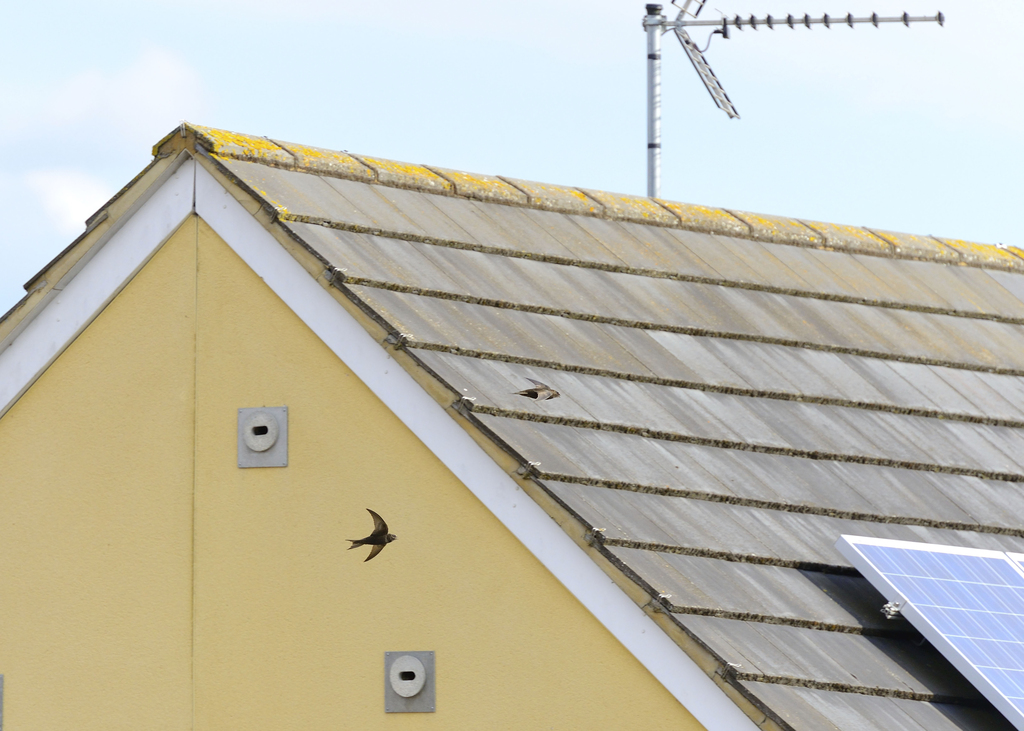
Image: Ben Andrew
Scotland has become the first nation in the UK to require swift‑nesting bricks in all new buildings, following the passage of the Natural Environment (Scotland) Bill.
For the housing and construction sector, the move introduces a new mandatory design element that developers will need to incorporate into projects from 2027, after a 12‑month consultation period to finalise building standards.
Swift bricks, which are hollow, integrated units typically costing around £30–£35, provide nesting cavities for swifts, sparrows, starlings and other species that have lost natural nesting sites due to modern construction methods. While England currently encourages their use through planning guidance, Scotland is the first to legislate for them.


The amendment, introduced by Scottish Green MSP Mark Ruskell, received cross‑party support. Climate action and energy minister Gillian Martin highlighted the urgency, noting that swift populations have fallen by 60% since 1995.
Mr Ruskell said he hoped the move would “inspire lawmakers across the UK”, adding that it had been “frustrating watching Westminster take years to consider something so simple yet so important”.
The requirement comes amid evidence that voluntary measures have fallen short. A University of Sheffield study found that 75% of bird and bat boxes required through planning conditions were never installed.
The swift‑brick mandate sits within the wider Natural Environment (Scotland) Bill, described by ministers and environmental groups as the most ambitious nature legislation in the country’s history.


The Bill introduces:
- Legally binding nature‑recovery targets, including a commitment to become “nature positive” by 2030 and restore ecosystems by 2045.
- New ministerial powers covering wildfire management, sustainable forestry and protected sites.
- Updated National Parks legislation to strengthen their role in tackling climate and biodiversity challenges.
- Reforms to deer management, aimed at reducing overgrazing and enabling woodland regeneration.
- Enhanced protection for Ramsar wetlands, including Loch Lomond and the Flow Country.
Environmental groups argue that the measure is simple and cost‑effective. Dr Paul Walton of RSPB Scotland called swift bricks “a problem‑free measure that will help save this beautiful and remarkable creature”, noting that nest sites built into new developments are “regularly occupied” and support successful breeding.
“Swifts are incredible birds,” he said. “Most of their lives is spent in the air. Their speed and agility are breathtaking, and their screaming calls are a characteristic of high summer in Scottish towns, villages and cities. But their numbers have plummeted. In my part of Glasgow, there were no swifts at all breeding in 2025 – the first time in my 30 years here. It is nothing short of heartbreaking.”


Dr Walton added: “There are many reasons for the declines, but we know that when nest sites are provided for them in buildings, these are regularly occupied, and the birds breed successfully. Ensuring swift bricks in new buildings is a simple, cheap and problem-free measure that will help save this beautiful and remarkable creature.
“Thanks to support from thousands of people who contacted their MSPs, efforts to get a requirement for swift bricks in new buildings into Scots law have been successful – alongside a much wider raft of positive changes. The next government will need to implement this law urgently and effectively to ensure this precious lifeline is in place before it’s too late.”

Share this article:

Subscribe to our newsletter to not miss articles like this one:
 SUBSCRIBE

