




Scotland’s largest seabird monitoring studies launched at offshore wind farm
 Reading time: 4 minutes
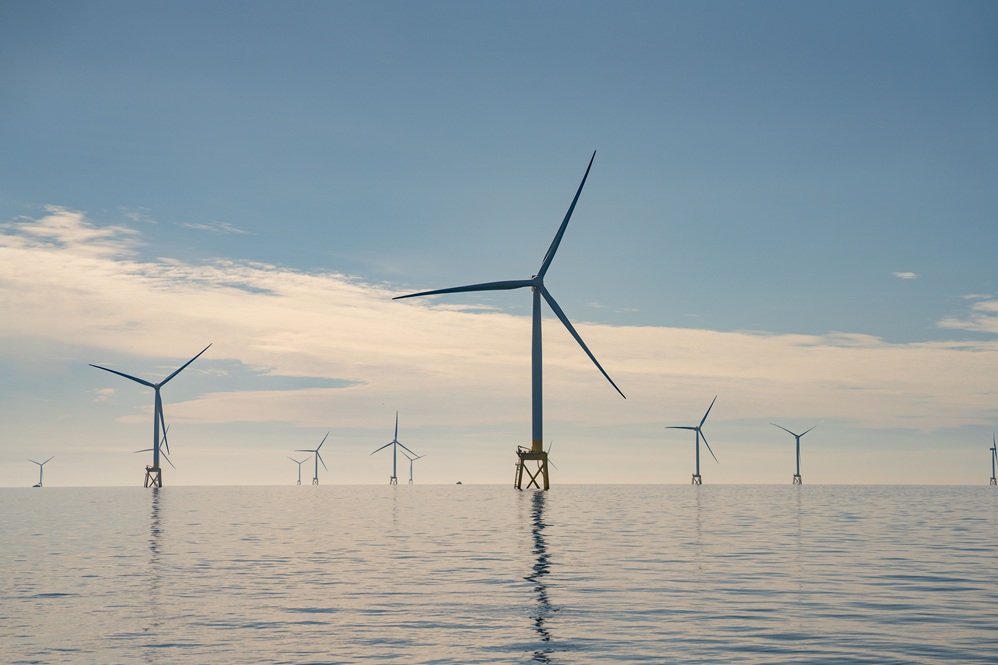
Scotland’s newest offshore wind farm, Neart na Gaoithe (NnG), is launching one of the country’s most comprehensive seabird and marine monitoring studies to gather round-the-clock data on how key bird species behave around operational turbines.
The study places the 450MW wind farm at the forefront of environmental evidence-gathering in UK offshore wind, monitoring seabird behaviour on a scale not previously seen. NnG, a joint venture between EDF power solutions UK and ESB, is located 15.5km off the Fife coast in the Outer Firth of Forth and became operational last summer.
Two main types of data will be gathered over two bird-breeding seasons: data on flight activity, patterns and behavioural responses within and around NnG; and information on bird collisions.


The international environmental consultancy, STRIX, has been commissioned to carry out the surveys and complete the analysis. From March 2026, data collection will take place 24 hours a day, seven days a week, with equipment positioned to provide coverage across turbine clusters within the offshore wind farm and at the corners of the site.
Following a period of equipment installation and commissioning in 2025 by STRIX, these systems are now fully installed and have undergone testing at the NnG wind farm site.
This new phase of monitoring combines two advanced systems, Birdtrack-Radar3D, which tracks and classifies birds at long to medium range by combining radars and cameras; and six Collision Detection Systems, which use multiple cameras and infra-red illuminators mounted around turbine towers, pointing upwards to observe the area around blades and record videos when birds are detected so they can be categorised.
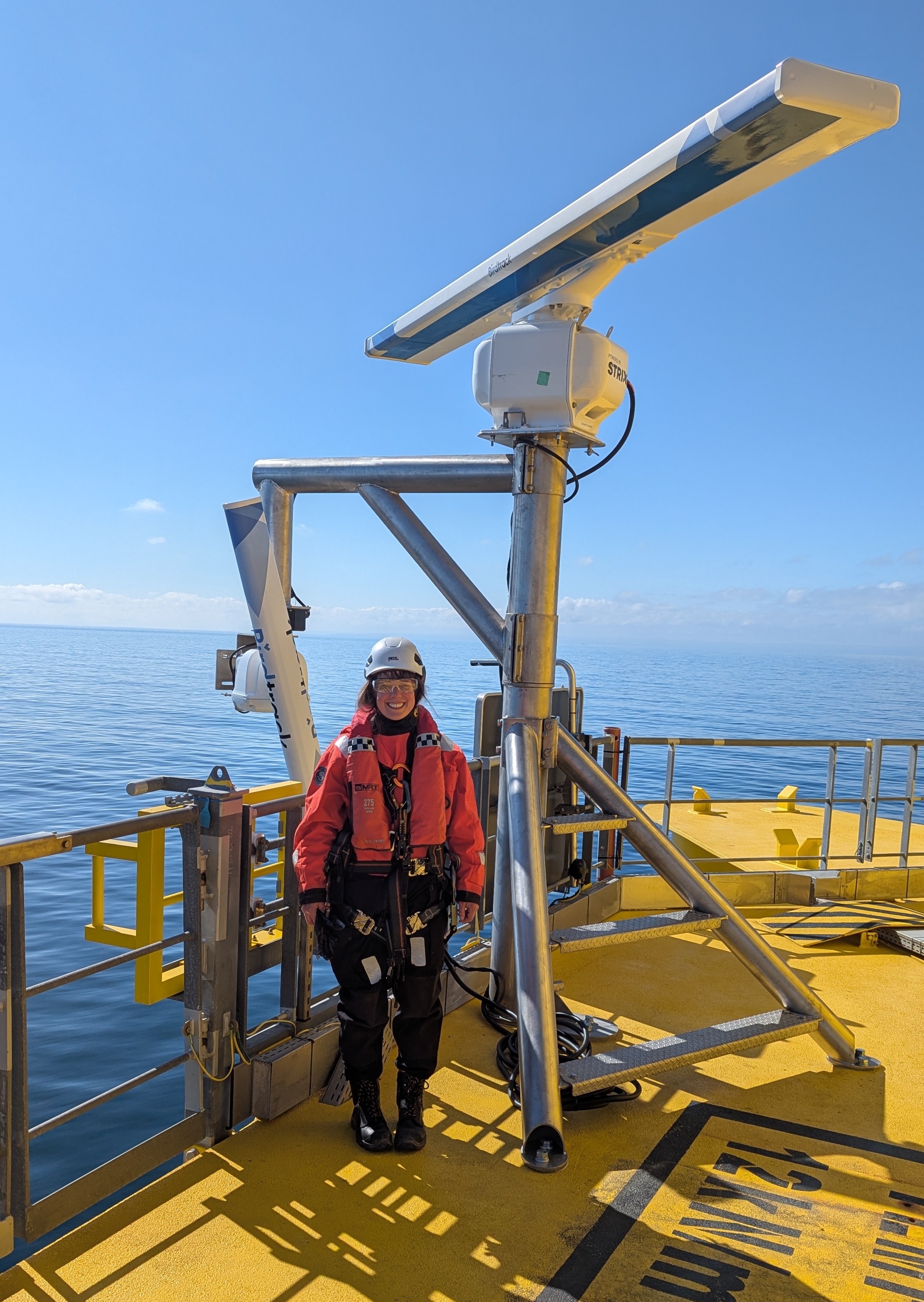
Polly Tarrant, environment manager at NnG
They form part of a collaboration between NnG and two other offshore wind farms in the Forth and Tay region, Seagreen 1 and Berwick Bank. The programme is also a requirement under NnG’s Project Environmental Monitoring Programme (PEMP) set by Scottish Ministers.


This new phase of seabird monitoring builds on seven years of extensive research at NnG. For breeding seabirds, work to date has included monthly digital aerial surveys, tagging breeding seabirds with GPS loggers within the Forth and Tay region, visual monitoring and ringing of adult birds to measure survival, and the deployment of monitoring cameras and radars across the wind farm.
To date, there is no other offshore wind-related seabird monitoring programme of this scale being implemented in the UK.
The wind farm has also invested heavily in marine mammal monitoring. NnG has deployed specialist moorings in the waters prior to, during and after installation of the wind farm foundations to detect the vocalisations of harbour porpoise and dolphins and to monitor underwater noise. It has co-funded an ongoing bottlenose dolphin photo-identification study within the Forth and Tay region to improve understanding of the range and population status of bottlenose dolphins along the Scottish and north-east English east coast.
This study has also supported the development of Citizen Fins, a citizen science website that allows members of the public to submit photographs of bottlenose dolphins taken along the east coast of Scotland and into north-east England.
The findings of the seabird monitoring studies will play an important role in informing the development of future offshore wind projects and how they assess potential impacts on seabird populations.
Polly Tarrant, environment manager at NnG, said: “We are delivering environmental monitoring on a scale not previously seen in UK offshore wind. This programme, a collaboration between a number of different partners, will give us a far clearer picture of how important seabird species behave around operational turbines and will help ensure future projects are designed with the strongest possible evidence base.
“By working constructively with other partners, we’re building knowledge that supports both Scotland’s and the UK’s renewable energy ambitions as well as the long-term health of the marine environment.”
Erica Knott, head of marine energy at NatureScot, said: “We welcome this collaborative environmental monitoring programme being led by NnG. The study’s scale and scope for both seabirds and marine mammals will help increase the evidence of how these key species interact with operational offshore wind farms in Scottish waters.
“This is particularly important given the other pressures they are facing in our marine environment. The results will help assess forthcoming projects as well as the planning and design of offshore windfarms in the future.”

Share this article:

Subscribe to our newsletter to not miss articles like this one:
 SUBSCRIBE