



Written by:

Scottish Construction Summit builds momentum as SPI Piling returns as Headline Sponsor
 Reading time: 6 minutes
Written by:
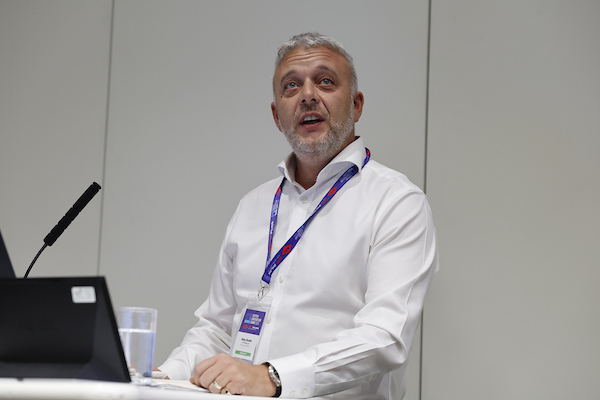
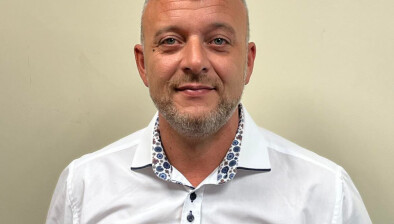
Alan Smith, managing director of SPI Piling, addressing last year's Scottish Construction Summit
The expansion of the Scottish Construction Summit into the SEC Campus in Glasgow this October signals a maturing, confident industry ready to shape its own future, according to Alan Smith, managing director of SPI Piling, as the firm confirmed its return as event Headline Sponsor.
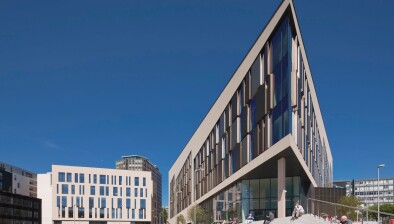
Held in September 2025 at the Technology & Innovation Centre at the University of Strathclyde, last year’s inaugural event was addressed by top speakers structured around four key sector priorities commonly cited as being major themes for the sector to address.
For Alan, the event revealed something important. “What became really clear last year was that Scotland needed its own place to come together as an industry,” he reflected. “A forum that actually reflects how construction works here — planning, procurement, skills, infrastructure priorities.”

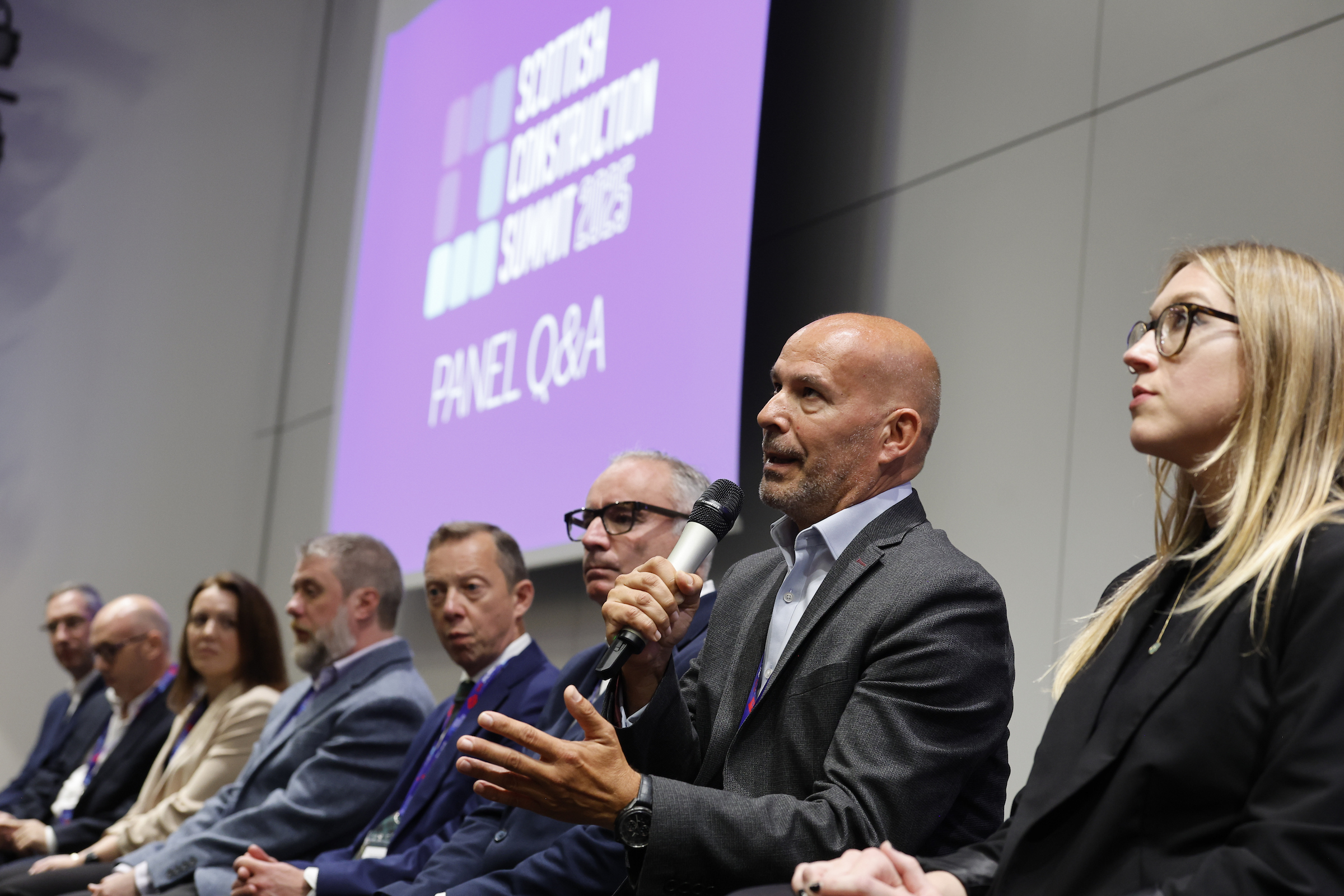
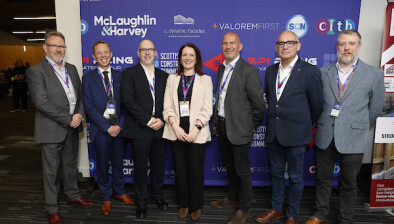
The event's speakers gathered for an audience Q&A
The shift to a much larger venue this year shows that appetite is growing. “It’s not just about getting bigger, it’s about relevance. The fact that more of the supply chain wants to be involved tells you the Summit is gaining real traction.”
For decades, the UK’s biggest construction gatherings have taken place in England. While valuable, Alan said they rarely give Scotland the focus it needs. “Often you’re talking about Scottish challenges in a room where Scotland is just one slide on the deck. Having this Summit here changes that dynamic completely.”
The benefits are practical as well as symbolic. SMEs and specialist contractors, many of whom don’t have the time or budget to travel south, finally have a major event on their doorstep. Alan recalls meeting a small contractor last year who attended purely because it was local: “They weren’t there to sell anything. They just wanted to listen, learn and make a few connections. That summed up why this Summit matters.”


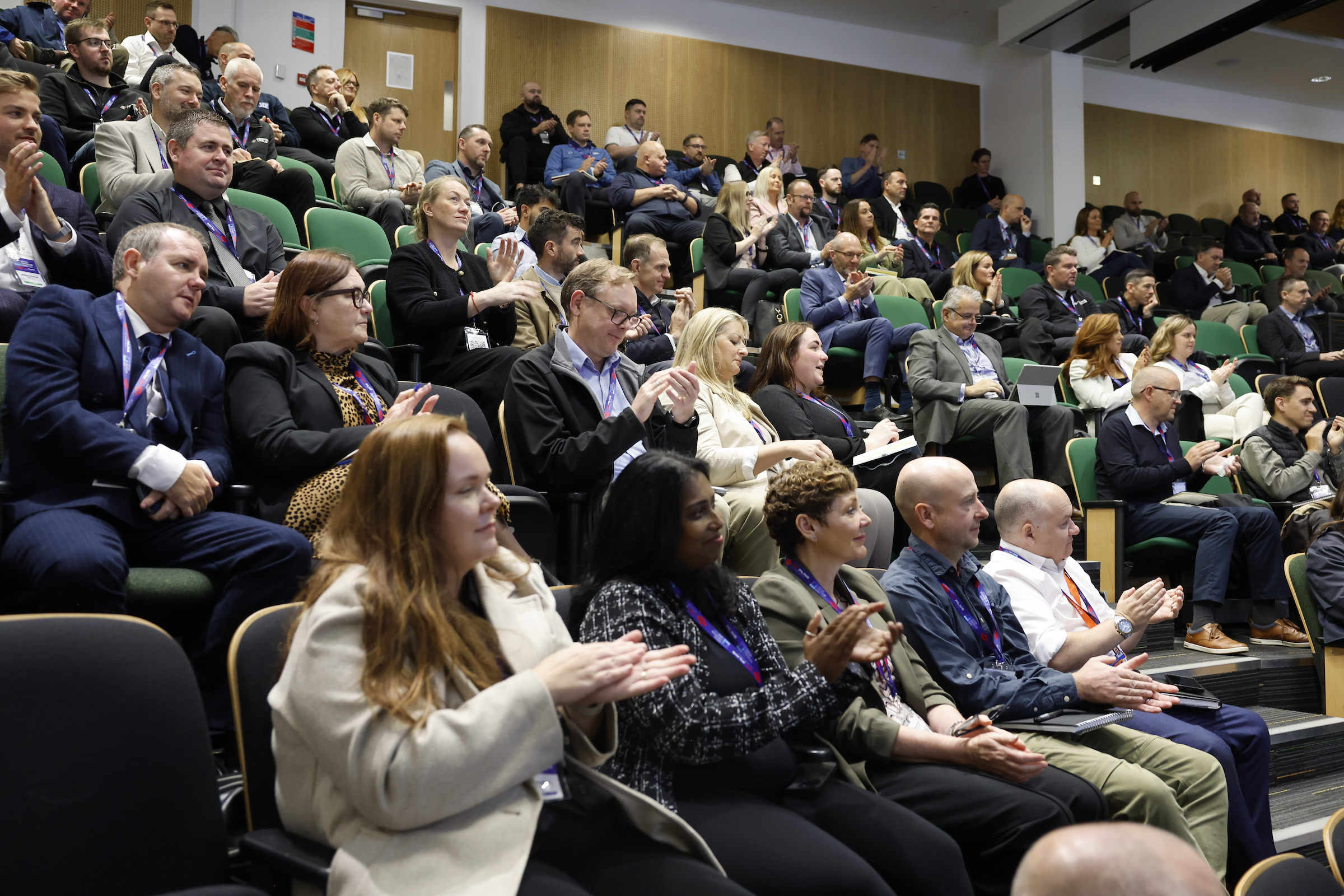
Hosting a major event in Scotland also sends a message of confidence. It highlights the expertise already operating here and gives clients greater visibility of the specialist capability available in a challenging market.
One of Alan’s strongest views is that the Summit must avoid becoming a talking shop dominated by policy commentary and lobbying. “There’s a place for policy discussion, of course, but it has to be grounded in what’s actually happening on sites across Scotland.”
He points to the realities specialists face daily, ground risk, sequencing, weather delays, as the kind of experience that must shape the conversation. “Anyone who’s stood on a site at 6am watching rain delay a pour knows construction isn’t neat and tidy. That’s why these conversations have to involve people who deal with that reality every day.”



This is where the supply chain becomes essential. Specialists are often the ones trialling new techniques, investing in plant, adopting digital tools and finding safer, smarter ways to deliver. Yet they don’t always get the platform to influence wider industry thinking.
“Ultimately, if we want genuine change — productivity, sustainability, safety — the supply chain has to be part of shaping it. You don’t transform an industry by talking about specialists; you do it by talking with them.”
Piling and ground engineering sit at the point where strategy meets delivery, and Alan believes this gives specialists a unique ability to influence the wider agenda. “A lot of the big themes — productivity, sustainability, safety, innovation — have their foundations, quite literally, in what happens below ground.”
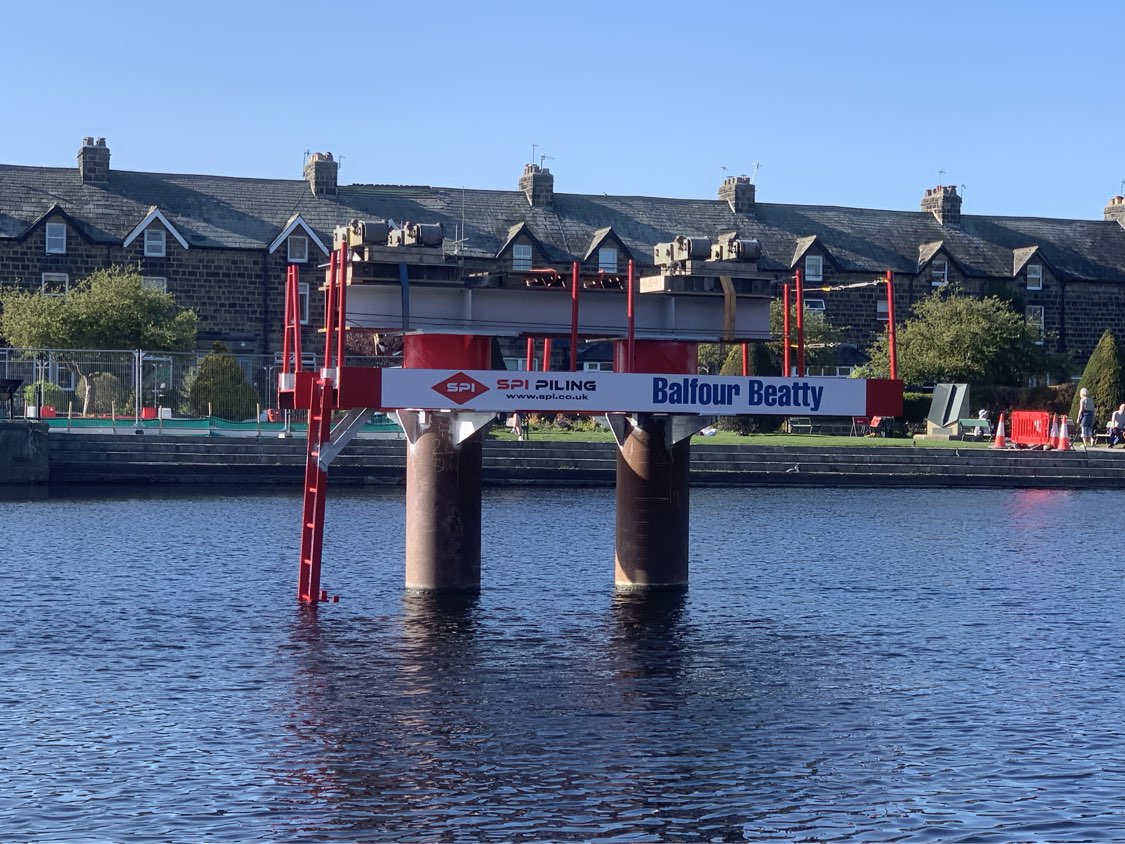
Specialists bring evidence, not theory. They bring the good experiences and the bad, the lessons that actually change how projects are designed, procured and delivered. “At summits like this, specialists can give real-life experience to influence the direction of a process, or determine that it simply won’t work.”
Cross‑discipline engagement, he says, is where real improvement comes from. “Construction only really works when disciplines work together. Events like this help break down silos.”
Why SPI Piling returned as Headline Sponsor
SPI Piling’s decision to return as Headline Sponsor is rooted in belief, not branding. “We came back because we genuinely believe in what the Summit is trying to achieve,” he said. “For us, sponsorship isn’t just about profile — it’s about backing something that supports better collaboration and long‑term progress in the Scottish industry.”
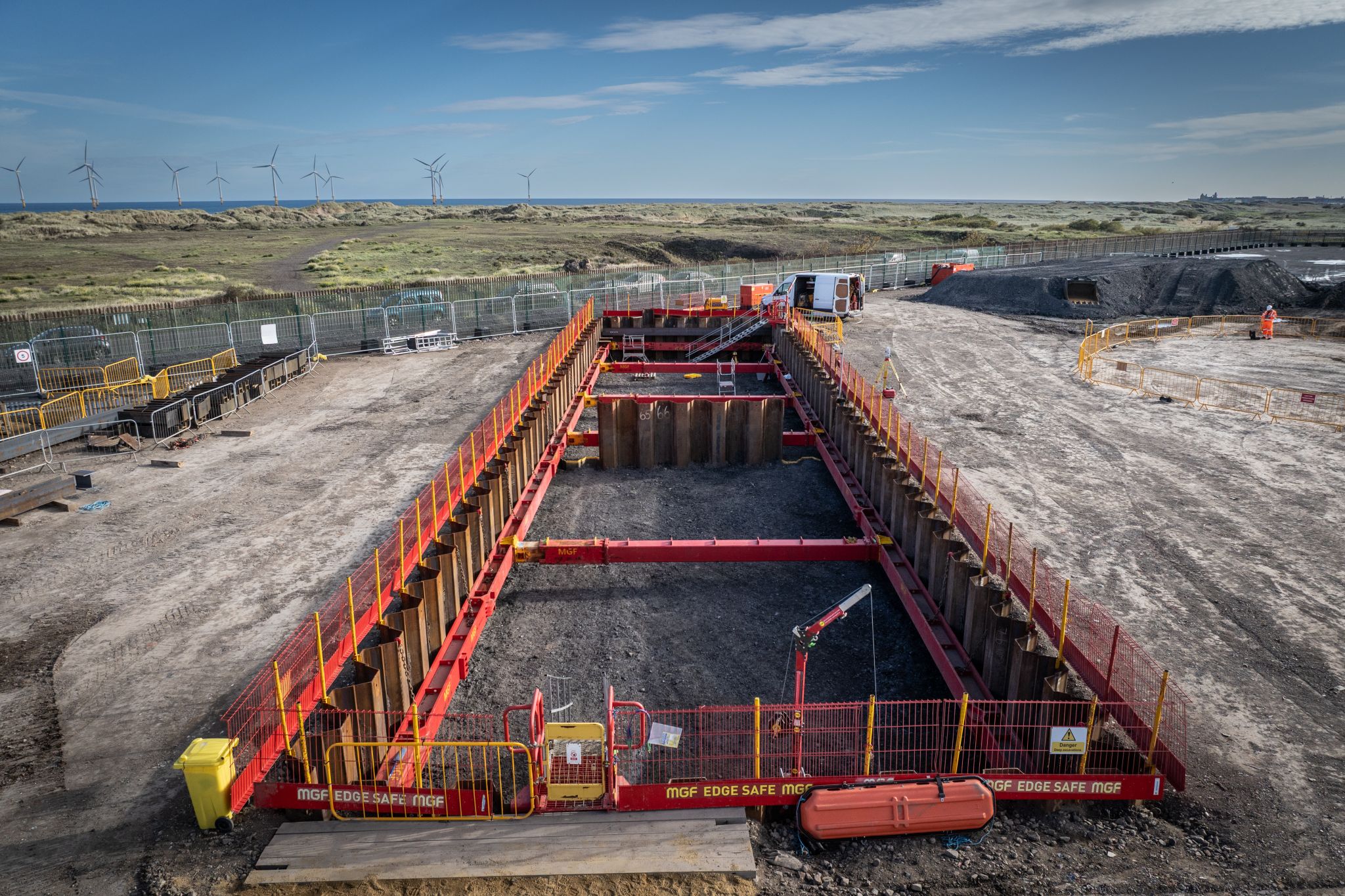
SPI Piling began as a specialist piling contractor and has grown into a well‑established ground engineering business delivering piling, retaining walls, basements and complex temporary and permanent works across the UK. Scotland has been central to that growth.
What sets SPI apart, Alan said, is its approach: early engagement, transparency and calm, proactive risk management. “We don’t hide behind contractual positions — we prefer to surface issues early and deal with them properly. In the long run, that saves time, cost and frustration for everyone.”
SPI invests heavily in people, plant and technical capability, enabling it to offer solutions rather than just services. That combination of technical strength and collaborative working has made the company a trusted partner on complex Scottish projects.
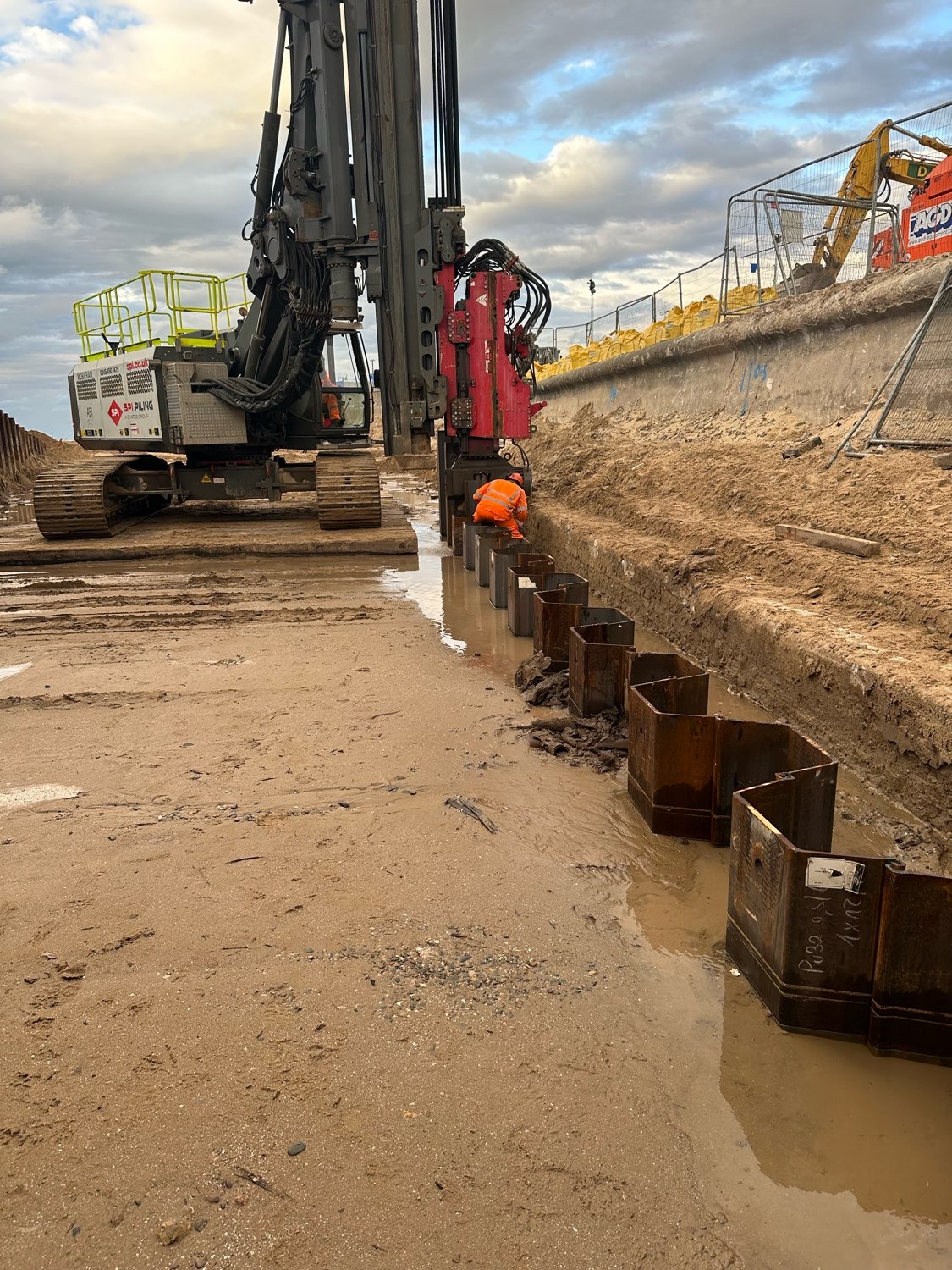
Alan sees major opportunity in Scotland’s infrastructure pipeline and the energy transition, but warns that programme fragility, skills shortages and procurement pressures remain real challenges. These are exactly the issues he believes the Summit must tackle head‑on.
Success, for him, is measured after the event: “New relationships, better collaboration, and small changes that lead to better project outcomes.”
Some of SPI’s strongest partnerships, he notes, began with informal conversations at events just like this.
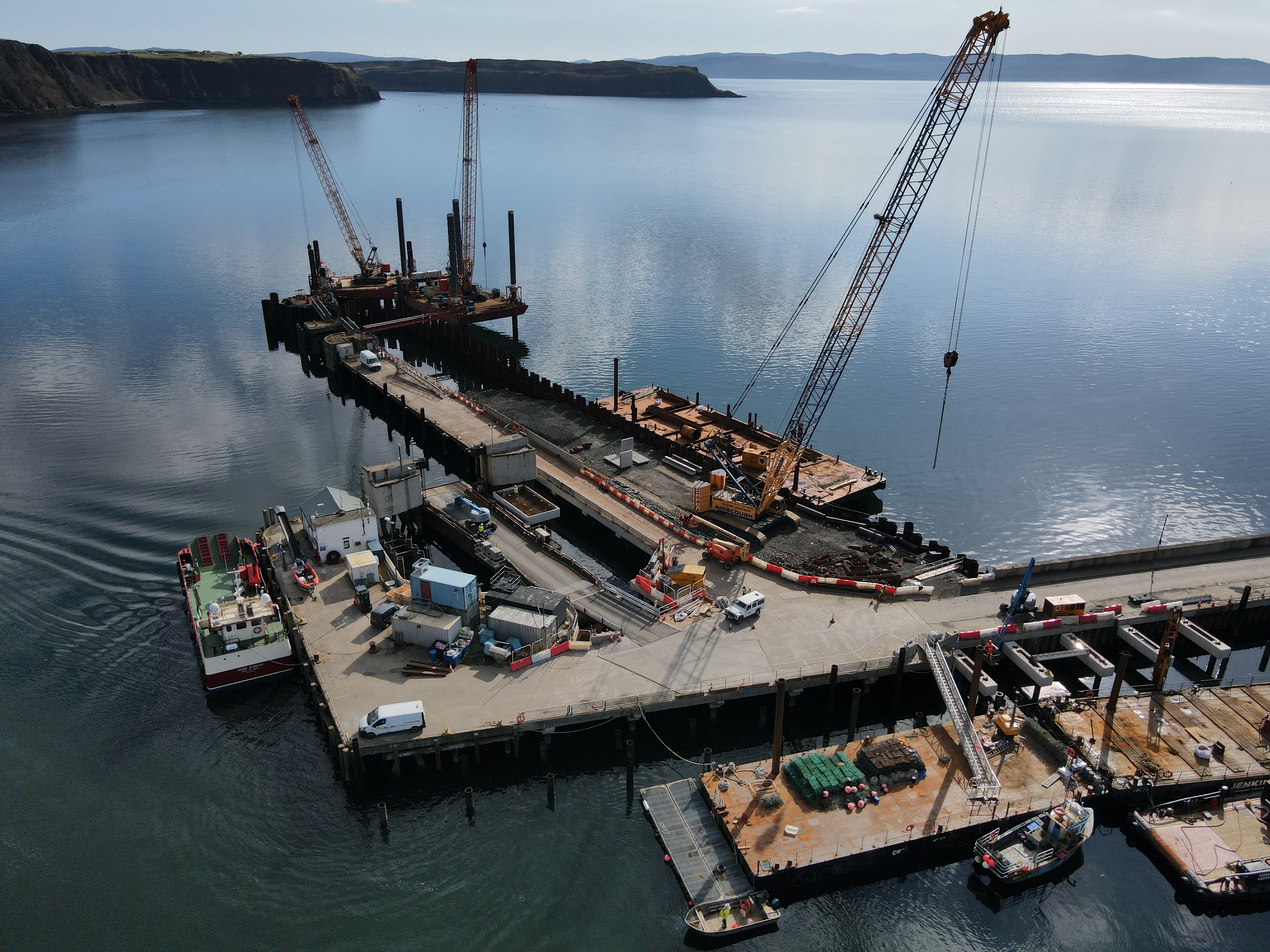
Looking ahead, he wants the Summit to become a permanent fixture — valued for the quality of its discussion, not just its scale. “This is year two, and look at the transformation already. If it keeps involving specialists and staying focused on delivery, it has a big role to play in shaping the industry’s future.”
Construction, he says, still relies on trust and relationships. “Events like this don’t replace that, they strengthen it.”
Set to take place on October 22, the Scottish Construction Summit has expanded to the SEC in Glasgow and is now FREE TO ATTEND for visitors. For more information and to register your interest, visit scottishconstructionsummit.com.

Share this article:

Subscribe to our newsletter to not miss articles like this one:
 SUBSCRIBE