




Shetland tunnel plans move forward as study puts Yell link at £400m+
 Reading time: 3 minutes
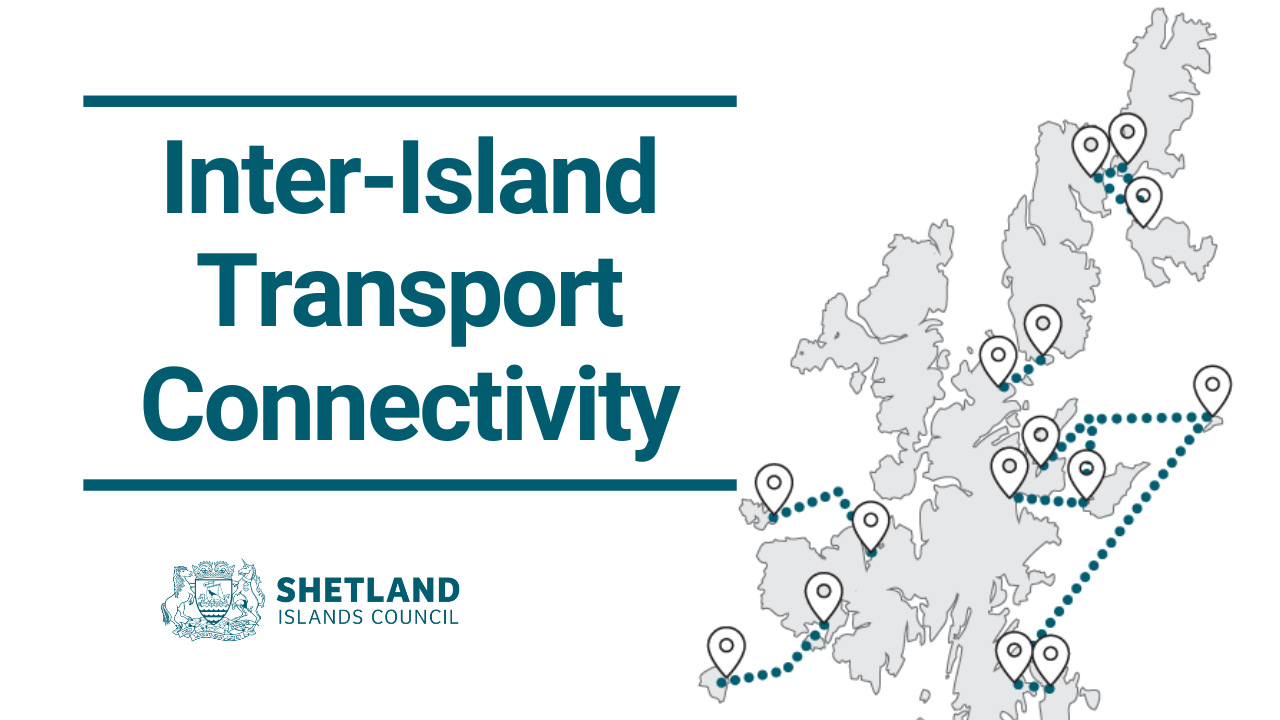
An undersea tunnel between mainland Shetland and Yell could cost more than £400 million and take up to eight years to build, according to new estimates presented to islanders as part of Shetland Islands Council’s Inter‑Island Transport Connectivity Programme (IITCP).
The Yell Sound link is being used as the programme’s “test tunnel”, with consultants COWI and Stantec commissioned to examine whether fixed links could replace parts of Shetland’s ageing and increasingly costly ferry network. Their latest modelling suggests a 4.2‑mile (6.8km) tunnel, running 50 metres below the seabed, would require a total investment of around £402m and would operate with tolls to cover maintenance.
COWI executive vice‑president Andy Sloan said the figures were based on discussions with three international contractors.


“The capital cost investment is about £327m,” he said. “On top of that, we need to add risk and contingency money of £50m and upfront costs of £25m.”
Despite the headline figure, Sloan argued the cost was “entirely reasonable” in a Scotland‑ or UK‑wide context.
The IITCP was launched in 2024 to address long‑standing pressures on Shetland’s inter‑island ferry network, with operating costs expected to reach £25m in 2024/25, alongside an average vessel age of 32.5 years, crew recruitment challenges and capacity constraints on key routes.
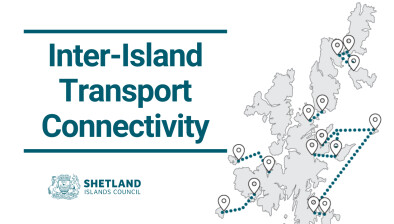
The programme is developing a long‑term strategy for eight island communities, assessing options ranging from “business as usual” to enhanced ferry provision and fixed links for four islands: Yell, Unst, Whalsay and Bressay.


At community drop‑in sessions held across the islands, residents were shown the latest tunnel and ferry options and invited to give feedback ahead of councillors selecting preferred options this month.
The Fixed Link Model study, commissioned last year, concluded that a Yell tunnel is both technically achievable and financially investable. Sloan said the engineering challenges were “relatively straightforward”, adding that the real question was whether Scotland chooses a short‑ or long‑term approach to island connectivity.
“Fixed links can change how people in Scotland live, work and travel,” he said. “They can reverse depopulation, provide vital services and support economic growth. Once Scotland builds its first tunnel, it will never stop.”
Council leader Emma Macdonald said fixed links could help reverse population decline and improve resilience across Shetland’s island communities.


“When islands have fixed links like causeways, bridges and tunnels, they experience repopulation, economic growth and a reduction in average age,” she said. “Doing nothing is not an option. We have islands depending on old, unreliable, carbon‑heavy ferries, which are depopulating and continually at risk of breakdowns.”
Councillors will debate the Outline Business Case later this month, weighing up the long‑term costs and benefits of ferries versus tunnels before selecting preferred options for each route.

Share this article:

Subscribe to our newsletter to not miss articles like this one:
 SUBSCRIBE