




Edinburgh Botanics revamp in doubt as Biomes costs surge to £243m
 Reading time: 3 minutes
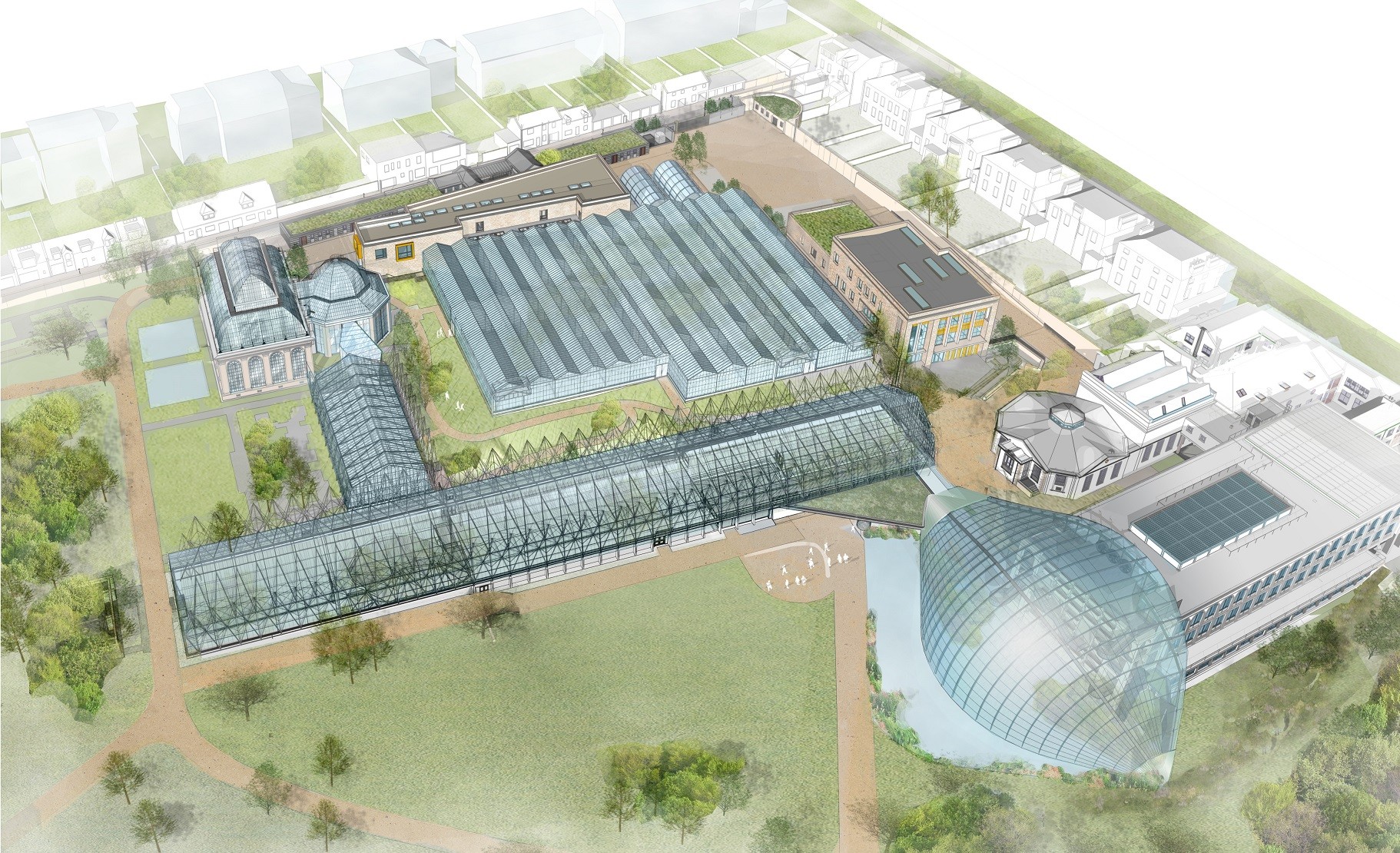
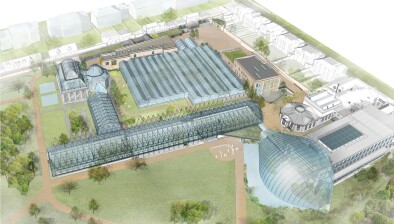
The future of the Royal Botanic Garden Edinburgh’s flagship glasshouse redevelopment is facing renewed uncertainty after projected costs for the Edinburgh Biomes programme soared to £243 million, more than triple the original estimate.
About this development:
- Authority:Edinburgh City
- Type:Leisure
- Applications:
- Team:Smith Scott Mullan Associates (architect), Nicoll Russell Studios (architect (new public glasshouse) ), Arcadis (project manager/cost consultant ), Harley Haddow (civil and structural engineer/mechanical and electrical services engineer ), Ironside Farrar (landscape architect/planning and consultation )
Billed as “arguably the most visionary and exciting project of the Garden’s 355‑year history”, the once‑in‑a‑generation project was initially priced at £70m. A new business case submitted to the Scottish Government now sets out two paths: a “minimum viable” option costing £180m and the full programme at £243m.
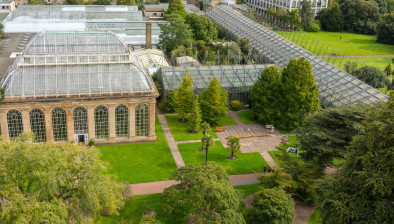
At the heart of the project is the restoration of the Garden’s two Grade A‑listed Palm Houses, refurbishment of ageing glasshouses, and the creation of modern research and plant‑health facilities. But spiralling construction costs, supply‑chain disruption and inflation have reshaped the financial landscape.


Audit Scotland has highlighted the scale of the escalation, noting that the Palm House refurbishment alone has risen from £6.9m to £21.3m. The increase includes £2.6m for roof and glazing replacement and an additional £5.5m for ironwork restoration, alongside wider inflationary pressures and programme delays. The watchdog also warned that annualised Scottish Government funding allocations present “a further challenge to programme delivery”.
The updated business case outlines stark differences between the options:
- Full scheme: A state‑of‑the‑art plant health suite integrated with the nursery site, plus a new 900sqm “Glasshouse 0” with conference and meeting facilities. Completion is projected for 2037/38.
- Scaled‑back scheme: A modular plant health suite, restoration of existing facilities, a new visitor entrance and an improved route to Glasshouse 1. Delivery could be achieved earlier, by 2034/35.
Simon Milne, Regius Keeper of the Garden, said the organisation continues to work closely with the Scottish Government and philanthropic partners to secure the investment required.


He stressed that Edinburgh Biomes is “more than an infrastructure project”, describing it as a transformational investment in Scotland’s environmental future, scientific leadership and cultural heritage. The programme, he said, is essential to safeguarding globally significant living collections and supporting research into biodiversity loss and climate change.
Milne added that upgraded facilities would reshape the visitor experience, offering improved access, modern interpretation and deeper engagement with plant science at a time when over 40% of plant species worldwide face extinction.
Despite the financial pressures, stage one of the project remains on track. Restoration of the historic Palm Houses has been completed, with staff now returning plants to the structures ahead of reopening later this year. Construction of a new low‑carbon energy centre – incorporating ground‑source heat pumps and combined heat and power – is progressing and expected to be operational by 2026/27.
Stage two will focus on replacing research glasshouses deemed at high risk of failure and refurbishing the deteriorating Category A‑listed Front Range glasshouses. Milne described this work as “essential” to protect irreplaceable collections and maintain vital research capacity.
A Scottish Government spokesperson said: “We have provided a total contribution of around £67 million over six years to the Biomes programme to preserve the national living collection. This includes refurbishment of the Victorian Palm House, and construction of a new Energy Centre, which will generate energy savings costs of £500,000 per annum, as well as cleaner energy.
“Each award has gone through Budget Bill process, with all spending decisions subject to the approval of Scottish Parliament on a yearly basis.”

Share this article:

Subscribe to our newsletter to not miss articles like this one:
 SUBSCRIBE