





Moray sets out priorities, pressures and next steps in new Capital Plan
 Reading time: 4 minutes
Moray Council has published an update on its Capital Plan for 2026–2029, setting out how it plans to invest in buildings, schools, roads and other public assets over the next three years – and the challenges it faces in doing so.
The plan reflects a clear ambition to keep investing in services and facilities people rely on, while recognising the real financial pressures facing councils across Scotland and the need to live within affordable limits.
The Capital Plan covers long term investment in things like schools, leisure facilities, roads, bridges, libraries, harbours and flood protection. These projects help keep communities safe, support the local economy and protect essential services for the future. Funding from both Scottish and UK Governments also allows the delivery of major economic regeneration projects including Moray Growth Deal (MGD), Levelling Up Fund (LUF) and Elgin Neighbourhood Board.

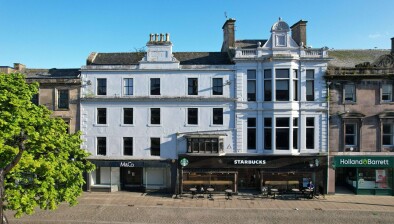
Moray Council is proposing a total capital investment of £221.6 million over the three year period, with significant progress already underway – particularly in the learning estate, where major investment is improving school buildings in Elgin and Forres. Moray Growth Deal, including renovation of Elgin Town Hall; renovation of South Street Elgin (MGD and LUF); and development of Cooper Park pond (LUF and Elgin Neighbourhood Board).
The council has also made progress in reducing and rationalising its asset base, including the approval of the Depots and Stores Review to help improve long term sustainability. This algins with the council continuously prioritising spending, including regularly reviewed asset management plans.
The report is clear that the cost of maintaining all current council buildings and infrastructure is higher than what is affordable in the long term.
Key issues highlighted include:


- Rising borrowing costs following years of higher interest rates
- Uncertainty around future Scottish Government funding settlements, as well as increasing directed funding towards government priorities.
- The ongoing condition of school buildings, leisure facilities and other ageing assets
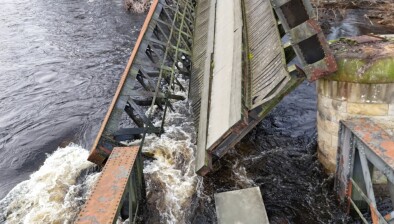
- Increased pressure on infrastructure from extreme weather events
- Limited staff capacity to deliver all desired projects at once
To manage these pressures responsibly, the council has continued with a cap on capital spending in later years of the plan. This helps protect day-to-day services by keeping borrowing costs within an agreed, affordable limit. Total new borrowing over the next three years will be £148m.
As a result, some projects will be delayed, phased differently or reduced, and there is a greater focus on further prioritising spending that addresses safety, legal requirements and the most urgent community needs. The report is open about the risks this creates.
Alongside the three year plan, the council has also published an indicative 10year Capital Plan. While longer term figures are not fixed, this forward look is intended to help identify trends, prepare for difficult decisions and avoid sudden changes later on.
Over the coming months, the council will:
- Review the Capital Plan again once final government funding figures are confirmed
- Bring updates on progress and changes later in 2026
- Develop clearer options for the future of parts of the learning, leisure and library estates
- Begin more focused engagement with communities about priorities, risks and choices
Councillor Kathleen Robertson, leader of Moray Council, said: “This Capital Plan is about being transparent and honest with our communities. We’re continuing to invest significantly in Moray, particularly in our schools and major regeneration projects, but we cannot pretend the financial constraints aren’t real.
“We have made progress in reshaping our asset base and planning more sustainably, but there are difficult choices ahead. Some buildings and facilities will need hard decisions if we are to protect core services and remain financially stable.
“That’s why this isn’t the end of the conversation – it’s the start of an even more open one. We want to work with our communities, staff and partners to understand priorities and shape the best possible future for Moray within the resources available.”
Any changes linked to final government funding announcements will be reported later in the year, alongside further updates on asset reviews and investment priorities.
More information will be shared as plans develop, with opportunities for communities to engage as future proposals are brought forward.
The full update report on the Capital Plan 2026-2029 can be viewed here.

Share this article:

Subscribe to our newsletter to not miss articles like this one:
 SUBSCRIBE