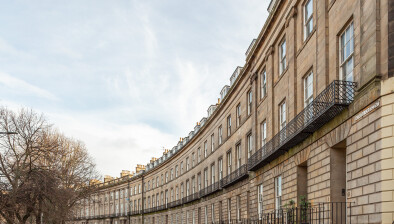





Residents confront planning chief over New Town ‘super hostel’ bid
 Reading time: 4 minutes
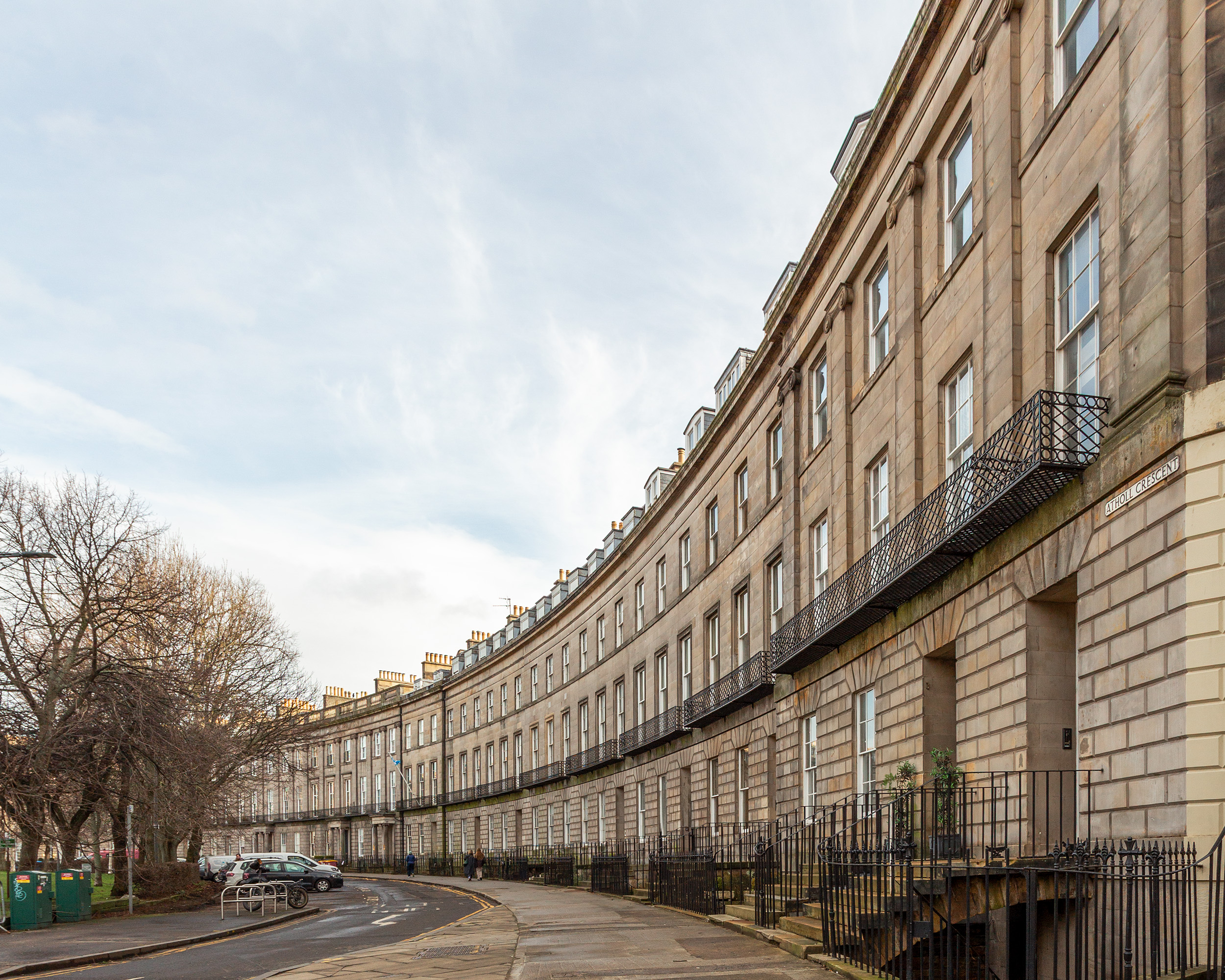
Atholl Crescent
Local residents trying to save a historic New Town street from a 544-bed “super hostel” have met face-to-face with one of Scotland’s most senior planning appeal officials.
Residents and neighbours gathered in solidarity on Atholl Crescent as a Reporter from the Scottish Government’s Planning and Environmental Appeals Division (DPEA) carried out a formal site visit on February 24.
The visit follows the hostel developer’s decision to lodge an appeal directly with the Scottish Government, before local councillors had the opportunity to determine the applications.


Philip Flockhart, director of architect Morris and Steedman Associates and spokesman for residents, said: “When nearly 300 people formally object, and when respected heritage bodies speak of irreversible harm, we would hope that the DPEA will listen.
“This is not about resisting change. It is about proportionality, suitability and the protection of a quiet residential community within a World Heritage Site.”
The proposal would see four Category A-listed Georgian townhouses at 14-17 Atholl Crescent converted into a large-scale budget hostel, accommodating up to 544 guests in dormitory-style pods.
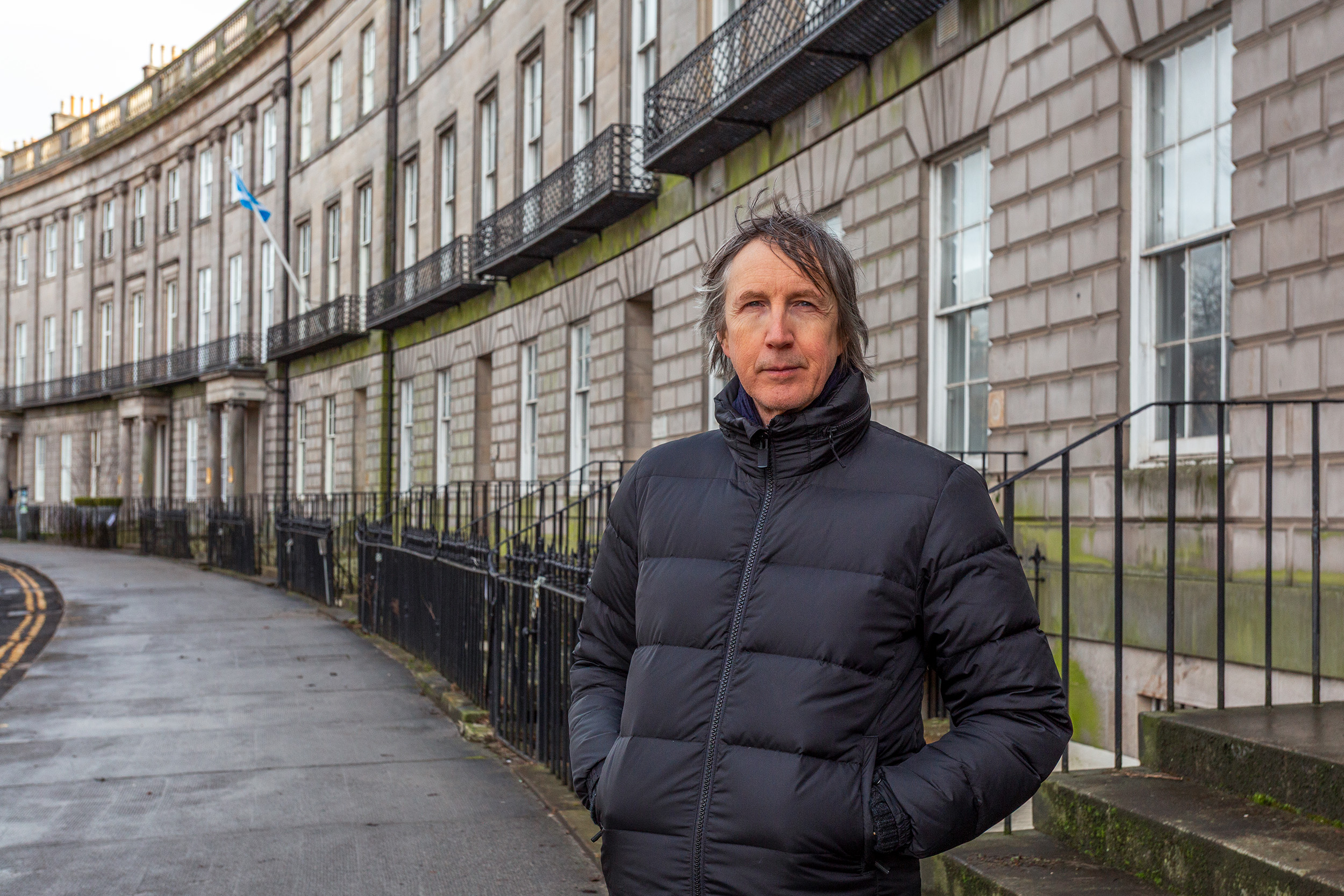
Philip Flockhart
The buildings form part of Edinburgh’s UNESCO World Heritage-listed New Town. Residents argue the location - a predominantly residential crescent and mews - is wholly unsuited to such an intensive, high-turnover commercial use.


A property audit compiled by the group shows the immediate area remains overwhelmingly residential, with 88 homes compared to just 16 commercial properties. Many homes sit directly adjacent to, behind and opposite the proposed development.
During the site visit, the Reporter, Katherine Chorley, was invited to walk the crescent and Atholl Crescent Lane to view first-hand the proximity of established family homes, gardens and mews properties to the proposed hostel entrance, servicing arrangements and rear access.
Residents say their objections are not rooted in opposition to visitors or tourism, but in the real, immediate and seismic impact the development would have on daily life.
Among the concerns raised are:


- Loss of residential amenity and the erosion of a quiet environment enjoyed by many retired residents.
- Increased noise and disturbance from a 24-hour, high-occupancy operation.
- Security and safety risks associated with transient, large-scale accommodation.
- Pressure on narrow streets and lanes from servicing, deliveries and guest drop-offs.
- The impact on neighbouring private gardens and the quiet residential street.
Campaigners also say there is a stark inconsistency in planning policy. The council tightened restrictions on short-term lets and Airbnbs in residential properties on the grounds of loss of amenity. Objectors argue that approving a 544-bed hostel beside family homes would represent a significant loss of amenity.
Around 280 formal objections were lodged during the planning process, with the proposal attracting opposition from leading heritage and civic bodies.
The Cockburn Association warned the development would cause “substantial and irreversible harm” to the listed buildings. The Architectural Heritage Society of Scotland raised serious concerns about compatibility with the architectural character of Category A-listed Georgian townhouses.
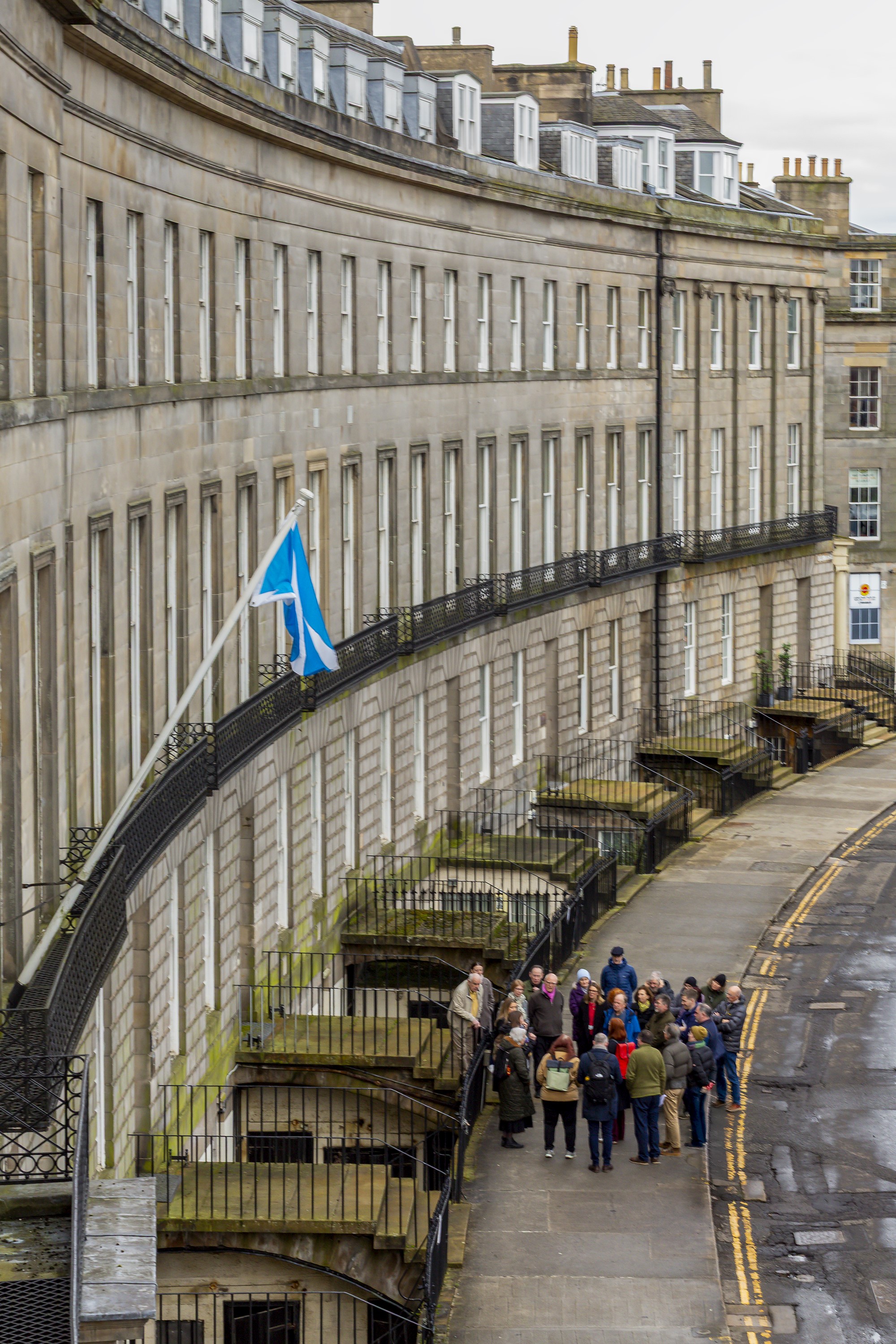
The Reporter visit
The West End Community Council, a statutory consultee, objected to the scheme “in both principle and detail,” citing transport impact, infrastructure intrusions and the effect on neighbours.
Philip Flockhart, a conservation architect, added: “This is one of the capital’s finest Georgian crescents - a residential street that has retained its character for more than 200 years.
“To introduce a 544-bed dormitory-style hostel into four interconnected townhouses would represent an intensity of occupation completely at odds with the scale, layout and spirit of these buildings.”
Previously, the properties were used as offices for a renowned law firm. Permission has previously been granted to convert the townhouses into 34 apartments. Residents question why claims of commercial viability are now being used to justify a large-scale transient accommodation model instead of housing.
Campaigners say the decision will set an important precedent – not just for Atholl Crescent, but for residential streets across the New Town and West End – and signal if residential life is to be prioritised over transient tourism.
Prior to the appeal being submitted to DPEA, the applications were expected to be considered by elected councillors on the Development Management Sub-Committee. A decision from the Reporter is now awaited.

Share this article:

Subscribe to our newsletter to not miss articles like this one:
 SUBSCRIBE