





Tollcross Clock restoration given green light
 Reading time: 2 minutes
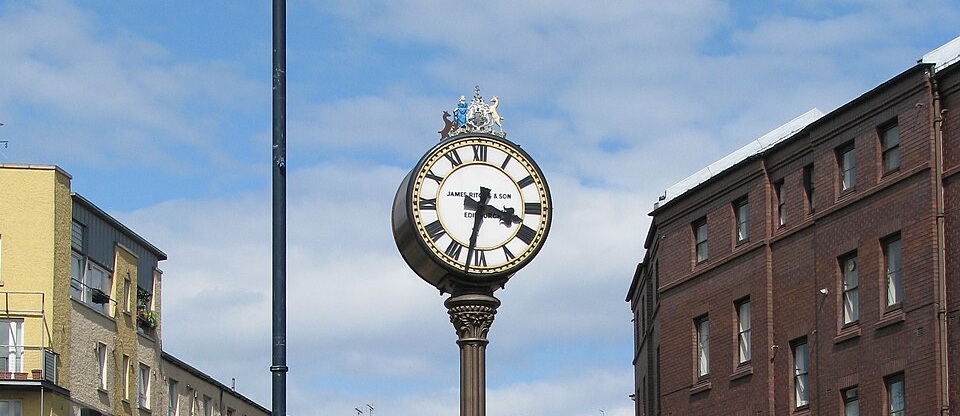
Photo by Kyzer licensed under CC BY 3.0
Funding to restore one of Edinburgh’s historic Tollcross Clock was approved yesterday, with works set to begin as early as May.
Members of the City of Edinburgh Council’s Finance and Resources Committee approved £72,572 to carry out a full restoration of the James Ritchie and Sons clock, which has stood at the heart of the Tollcross community since 1901 and has been in storage since 2022.
The clock was removed from the Tollcross crossroads four years ago following a routine inspection that identified significant structural deterioration at its base. While the planned junction works is now delayed, restoration work will still get underway, meaning the clock could return to the area from April 2027.


Officers will use the restoration period to engage local stakeholders and councillors on the most suitable location for the clock’s return. While the original position within the carriageway is no longer considered appropriate due to risk of further damage and ongoing maintenance costs, work is ongoing to find a setting that honours the clock’s place in the community. Any relocation may require listed building consent.
Funding for the restoration is expected to come from the council’s Common Good Fund. The clock’s permanent reinstatement, site selection and funding will be referred to the Culture and Communities Committee next month.
Cllr Mandy Watt, Finance and Resources convener, said: “This clock has been part of Edinburgh’s story for more than 120 years, and the community has been clear that it belongs back where people can see and enjoy it. Today we’re making that happen. By approving the funding, we’re committed to get this iconic piece of civic heritage properly restored and back where it belongs.
“We’ll work closely with residents to find the right location, and I’m delighted that we’re finally able to give this project the momentum it deserves.”


The Tollcross Clock has been a fixture of the city since its installation at what was then a thriving tram interchange. Originally a pendulum clock, it was converted to a spring-driven mechanism in 1926 and later to electrical operation in 1969. It was temporarily removed in 1974 for junction works but was reinstated following strong public demand.

Share this article:

Subscribe to our newsletter to not miss articles like this one:
 SUBSCRIBE